Milk Thistle
32 studies read · 3 answers · 2 sources
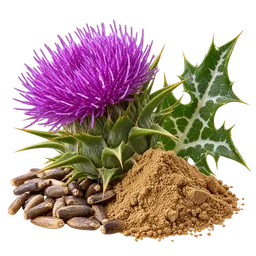
Milk thistle produces a proven but unnoticeable improvement in liver-enzyme results, while evidence across other health outcomes remains too limited for dependable claims.
What it does
Modest benefits
-
Healthier liver blood tests · Probably helps a little
Blood tests provide information about liver cell injury and bile flow.
2 trials · 4,466 people · 3 reviews · noticed in 1–48 weeks
Early findings (2)
-
Less liver fat · Unclear if it helps
2 trials · 135 people · noticed in 4–48 weeks
-
Slower chronic liver disease progression · Unclear if it helps
2 trials · 135 people · noticed in 1–48 weeks
How to take it
Milk thistle makes the most sense for someone who wants a modest, lab-test-focused supplement after discussing abnormal liver enzymes with a clinician. 1 Skip the hype around liver fat, energy, or sexual function because the evidence does not establish dependable benefits there. Anyone using warfarin, simvastatin, domperidone, or sirolimus should get pharmacist or clinician guidance before using it.
How much
For liver enzyme outcomes, oral milk thistle products have been studied from 80 to 700 mg daily, with about 170 mg daily sitting near the middle of protocols that reported benefit. 1 The important reality check is that the average enzyme improvement is trivial, so a higher dose does not promise a result you can feel. 1 Studies of liver fat have also used oral products across a similar broad range, but the findings remain too thin to guide a target dose. 2
When
Use milk thistle consistently each day if you choose to try it. Liver-enzyme trials tracked changes over roughly 4 to 49 weeks, with many programs lasting about 6 weeks, so an occasional capsule does not match the research approach. 1 Research has not established a best morning versus evening schedule, so choose a time you can stick with and follow the product directions.
Which form
Look for an extract that clearly states its silymarin content, and preferably identifies silybin or silibinin, rather than a label that lists only ground milk thistle seed. Clinical research has focused on standardized silymarin extracts and, in some liver-fat research, silybin combined with phosphatidylcholine and vitamin E. 1,2 Different extracts do not necessarily deliver the same amount of active flavonolignans, so milligrams alone can mislead.
The dose that worked, by measure (1)
- Keep liver enzymes steadier
- 170 mg4–49 weeks
Who should be careful
Medicines it can clash with
- simvastatin major
- domperidone major
- sirolimus major
- warfarin moderate
- clopidogrel moderate
- losartan moderate
- raloxifene moderate
- cyclosporine moderate
- talinolol moderate
Reported side effects
- Serious adverse event severe
- collapse severe
- anaphylactic reaction severe
- serious adverse events (unspecified) including increased GI AEs severe
- headache mild
- nausea mild
- heartburn mild
- gastrointestinal discomfort (nausea, diarrhea, abdominal pain) mild
How it works
Milk thistle has a liver-health reputation that is bigger than its real-world effect. It can nudge liver enzyme results in the right direction, but do not expect to feel a dramatic difference. 1
Milk thistle comes from a purple-flowered Mediterranean plant, Silybum marianum. Its seeds supply silymarin, a family of plant compounds that includes silybin, the ingredient most products highlight on the label. 1
Silymarin appears to switch on liver cells' antioxidant cleanup system and limit the chain reaction that damages cell membranes during oxidative stress. Think of it as helping the liver restock its fire extinguishers before small chemical sparks spread through the room. 1
Studied alongside
-
Pyrroloquinoline Quinone
11 measures studied together
-
Myricetin
11 measures studied together