What can I do if a supplement pill is too big to swallow?
Nov 23, 2026 · 2 min read · 5 sources
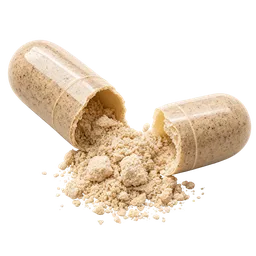
If a supplement pill is too large, choose the same dose in another form; alter the pill only after pharmacist approval.
You bought the supplement, opened the bottle, and the tablet looks built for someone with no gag reflex. The fix is usually simple, but crushing everything is the wrong shortcut.
I would not force the pill. I would match the same labeled serving in an easier form first: powder, liquid, chewable, gummy, smaller capsules, or a tablet you can safely split.
The practical protocol is: replace first, alter second
Start with the Supplement Facts panel. In the United States, dietary supplement serving size is listed by the form, such as tablets, capsules, packets, or teaspoonfuls, so your job is to keep the same serving amount while changing the delivery format.3
My order of operations would be this. First, look for the same ingredient and dose as a powder or liquid. This works especially well for creatine, collagen, protein, fiber, magnesium powders, electrolytes, and many greens products. Second, look for smaller capsules where one serving is spread across 2 to 4 capsules instead of one large tablet. Third, use a chewable or gummy only if the dose actually matches the product you meant to take. Gummies are convenient, but they often carry lower mineral or botanical amounts per serving.
If you already own the bottle, read the front and back for form clues before you cut anything. ER, XR, SR, LA, XL, DR, EC, enteric coated, delayed release, sustained release, time release, softgel, sublingual, and orally disintegrating are not casual label decorations. ISMP's do not crush guidance flags extended release and enteric coated products because changing the dosage form can change how fast the contents are released or where they are released.1
When crushing, splitting, or opening is reasonable
For a plain immediate release supplement tablet, splitting is usually the cleanest move. Use a pill cutter, not a kitchen knife. If the tablet is scored down the middle, that is a good sign, but it is not a universal permission slip. Some scored products still have directions that matter.
Crushing is messier but can work for ordinary tablets. Crush one serving at a time, mix it into a small amount of applesauce, yogurt, pudding, or a strong tasting drink, and take the whole mixture right away so you do not leave half the dose in the cup. NHS Specialist Pharmacy Service guidance for adults with swallowing difficulty describes dispersing tablets in water, crushing tablets, and opening capsules as options only after checking that the specific product is suitable.2
Capsules are product specific. A simple powder filled capsule can often be opened and mixed into soft food. A capsule filled with beads, pellets, oils, or delayed release granules is different. Do not chew or crush beads unless the label explicitly says to. Softgels are usually a bad candidate for home alteration because they contain liquid or oil and are hard to dose accurately once punctured.
There is one small technique worth trying before you abandon capsules: take capsules with plenty of water and lean your head slightly forward as you swallow. Tablets often go down better with the head neutral or slightly back. That is not supplement specific evidence, but it is a low risk swallowing trick. If the issue is dry mouth, take a sip first, then place the pill, then swallow with a full mouthful of water.
The mistakes to avoid
The big mistake is assuming natural means mechanically simple. Supplement manufacturers must follow dietary supplement manufacturing rules, and labels can use serving sizes and dosage forms that matter.4 A tablet can be coated for taste, odor, stomach tolerance, ingredient stability, or release pattern. Once you crush it, you own the consequences: bitterness, nausea, throat irritation, dose loss, or faster release than intended.
The second mistake is changing the dose while changing the form. If the label says 3 tablets per serving, and you switch to a powder, match the milligrams of the active ingredient, not the number of scoops you wish were equivalent. This is especially important with minerals, fat soluble vitamins, iodine, selenium, iron, and botanicals with drug interactions.
The red flag is not embarrassment about swallowing pills. It is new trouble swallowing food or liquids, choking, coughing during meals, chest sticking, unexplained weight loss, or a history of stroke or neurologic disease. That is dysphagia territory, not a supplement logistics problem. NHS advice specifically separates pill swallowing difficulty from broader swallowing problems and points people with swallowing difficulty toward pharmacist or medical advice because alternatives and safe alteration depend on the product.5
My practical answer: buy the easier form next time. For the bottle in your hand, check for release or coating words, avoid softgels and bead capsules, and ask a pharmacist one narrow question: “Can this exact product be split, crushed, or opened?” That is faster, safer, and more useful than trying to power through a pill your throat already rejected.
Supplements in this article






Worth knowing
- Coatings, delayed release designs, bead filled capsules, and softgels can change dose delivery when altered.
- Many medicines have narrow safety margins and formal do not crush rules that go beyond supplement logistics.
- New choking, coughing with meals, or trouble swallowing liquids needs medical evaluation, not a different capsule.
Common questions
Can I crush a supplement pill and put it in yogurt?
What is the easiest substitute for a huge tablet?
When should I worry about trouble swallowing pills?
Sources
- 1. Oral Dosage Forms That Should Not Be Crushed 2016 (2016) Do not crush safety categories for modified release and enteric coated products.
- 2. Advising how to crush or disperse tablets and open capsules (2024) Practical administration options for crushing, dispersing, and opening capsules.
- 3. 21 CFR 101.36, Nutrition labeling of dietary supplements (2026) Serving size and Supplement Facts label basis for matching dose across forms.
- 4. 21 CFR Part 111, Current Good Manufacturing Practice in Manufacturing, Packaging, Labeling, or Holding Operations for Dietary Supplements (2026) Dietary supplement CGMP context for dosage forms and labeling.
- 5. Problems swallowing pills (2023) Red flags and pharmacist role for pill swallowing difficulty.