Can I take supplements with a protein shake instead of a meal?
Nov 24, 2026 · 2 min read · 6 sources
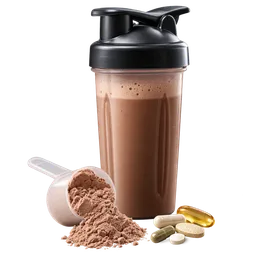
Many supplements can be taken with a protein shake instead of a meal, but some need dietary fat or specific timing.
You finish a workout, mix protein powder with water, and stare at the handful of capsules you forgot to take at breakfast. The real question is whether the shake is enough of a meal to make the label advice mean anything.
I’d take ordinary daily supplements with a protein shake, but I would not pretend every shake is a meal. If the supplement needs fat, stomach acid, or separation from minerals, the shake has to fit that job.
A shake can be enough, but check what is actually in it
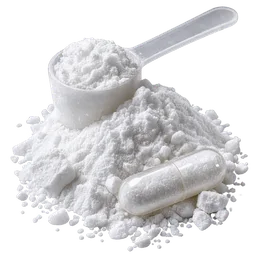
A protein shake is “food” in the practical sense if it gives your stomach calories and reduces nausea. That is enough for many multivitamins, magnesium, creatine, collagen, probiotics, and other supplements where the label mainly says “with food” because empty stomach use can feel rough.
The catch is that a scoop of whey in water is mostly protein. It may have almost no fat, little carbohydrate, and not much bulk. That matters for supplements whose absorption depends on the meal around them. In a 1 day study of 50 older adults, a single 50,000 IU vitamin D3 dose was absorbed better with a breakfast containing 30 percent of calories from fat than with a fat free meal.1 That does not mean you need a greasy breakfast. It means a water based shake is a weak partner for fat soluble supplements.
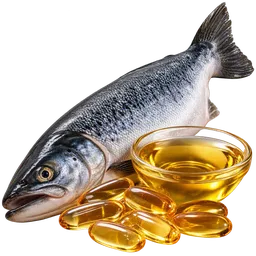
So the simple rule is this: if you are taking vitamin D, vitamin K, fish oil, curcumin, or CoQ10, put some fat in the shake or take it with a real meal. CoQ10 is especially formulation sensitive. A 2020 review emphasized that poor crystal dispersion can reduce CoQ10 bioavailability by 75 percent, so the capsule design and the food context both matter.5
The exceptions are not “meal” exceptions. They are ingredient exceptions
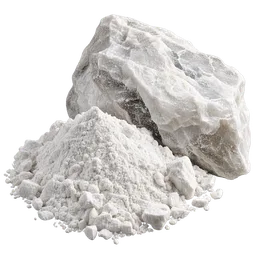
Calcium is the cleanest example. The NIH Office of Dietary Supplements notes that calcium carbonate causes more side effects than calcium citrate, especially in older adults with lower stomach acid, and that symptoms can be eased by taking smaller doses more often or taking it with meals.2 If your calcium is carbonate, I would take it with an actual meal or a shake that has enough substance to trigger normal stomach acid. If your calcium is citrate, you have more flexibility.
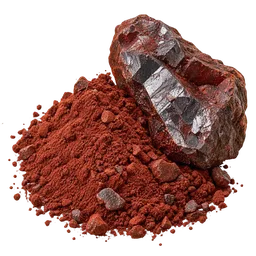
Iron goes the other direction. Many people take it with food because empty stomach iron can cause nausea, constipation, abdominal pain, vomiting, or diarrhea.3 But iron absorption is fussy. In iron depleted women, oral iron raised hepcidin for 24 hours, which reduced absorption from doses taken later or the next day, and absorption was highest with alternate day dosing.4 That is a timing issue, not a protein shake issue. If iron was prescribed for low ferritin or anemia, do not casually bury it in a calcium fortified shake and hope for the best. Keep it away from calcium, and follow the dosing schedule you were given.
There is also a label reason to slow down. FDA supplement labeling rules require Supplement Facts and other required label information, and FDA has specific warning requirements for iron containing products because accidental overdose in children is dangerous.6 If a label says to separate from medications, avoid dairy, or take with a full meal, the protein shake does not overrule that.
The thing people overthink is protein itself
The confound is the idea that protein powder somehow blocks supplement absorption across the board. It does not. The more relevant variables are fat, minerals, acidity, and tolerability. A shake with milk, yogurt, peanut butter, or added oil behaves differently from whey isolate in water.
My default: take your low stakes daily stack with the shake if that is when you remember it. For fat soluble supplements, add fat or use a real meal. For calcium, check carbonate versus citrate. For iron, make it its own plan. The decision today is not “shake or meal.” It is “does this specific supplement need something my shake does not provide?”
Supplements in this article
-
Whey Protein
More muscle growth · Helps a little
-
Vitamin D
Fewer infections · Probably barely helps
-
CoQ10
Better heart function · Helps a lot
-
Calcium
Lower blood pressure in pregnancy · Probably helps
-
Iron
Less iron deficiency and anemia · Helps a little
-
Creatine
More muscle strength · Helps a little
-
Fish Oil
Lower triglycerides · Helps a little
-
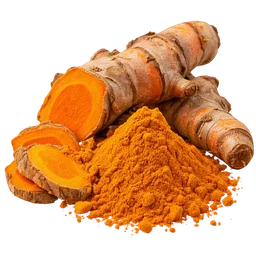
Curcumin
Less joint pain and stiffness · Probably helps
Worth knowing
- Some supplements need spacing from thyroid medicine, antibiotics, bisphosphonates, or other drugs, and the product label or prescriber should govern that.
- The evidence is ingredient specific, especially for fat soluble compounds, calcium forms, and iron.
- Iron containing supplements carry special safety concerns because accidental overdose can be dangerous in young children.
Common questions
Does a protein shake count as food for supplements?
Which supplements should not go in a low fat shake?
Can I take iron with my protein shake?
Sources
- 1. Dietary Fat Increases Vitamin D-3 Absorption (2015) Primary evidence that fat content changes vitamin D3 absorption.
- 2. Calcium Fact Sheet for Health Professionals Official calcium form and meal guidance.
- 3. Iron Fact Sheet for Consumers Iron tolerability and safety context.
- 4. Iron absorption from supplements is greater with alternate day than with consecutive day dosing in iron-deficient anemic women (2020) Primary iron dosing and hepcidin evidence.
- 5. Bioavailability of Coenzyme Q10: An Overview of the Absorption Process and Subsequent Metabolism (2020) CoQ10 formulation and absorption evidence.
- 6. Dietary Supplement Labeling Guide (2005) FDA supplement label requirements and iron warning context.