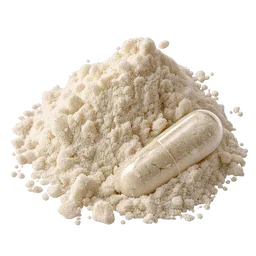
Lactococcus acidophilus
What the trials found
Lactococcus acidophilus does not have enough research to establish prevention or shortening of diarrhea during antibiotic use or acute diarrheal illness.
- 3 papers
- 2 of 5 outcomes
What lactococcus acidophilus actually does
Diarrhea brings loose, watery stools that can disrupt daily life and cause dehydration. 35070839 · 40548185
People taking antibiotics can develop diarrhea that interrupts treatment and daily life. 40548185
| Outcome | Effect | Evidence | Dose | Time | Rank |
|---|---|---|---|---|---|
| Early research 2 | |||||
| Reduce diarrhea Not enough research Diarrhea brings loose, watery stools that can disrupt daily life and cause dehydration. | | 1 meta-analysis 2 papers · n=826 | 2000000000 other | 2 wk | — |
| Prevent diarrhea from antibiotics Not enough research People taking antibiotics can develop diarrhea that interrupts treatment and daily life. | | 1 RCT 1 papers · n=82 | 2000000000 other | 2 wk | — |
Effect tiers come from native-unit MCID where available, Cohen's d otherwise.
Dose, timing & forms
How much
When and how long
The studied approach involved taking the probiotic consistently over the course of digestive upset or antibiotic exposure, rather than using a single rescue dose.12 These studies do not establish an ideal time of day, meal timing, or a proven spacing rule around antibiotics for this specific organism.1
What this is and how it works
- Across 2 studies (n=826), diarrhea duration effects were inconsistent, preventing a reliable comparison with a noticeable-change threshold.2
- Three papers reviewed here spanned five outcomes involving antibiotic-associated and acute infectious diarrhea.
- Evidence remains early, with one prevention study including only 82 participants.
Lactococcus acidophilus is a live bacterium sold in probiotic products, usually with the goal of supporting the gut during digestive upset. The important detail is the full label identity: probiotic effects depend on the specific organism and product, not just a familiar name on the front of the bottle.1
Bottom line
Lactococcus acidophilus is an early-research option for people curious about probiotic support during diarrhea or antibiotic use, not a proven go-to choice. The reported effects are small and the studies are few, so do not rely on it as a substitute for medical care when diarrhea is severe, persistent, or accompanied by concerning symptoms.12
Common questions
Does Lactococcus acidophilus prevent diarrhea from antibiotics?
Can Lactococcus acidophilus stop diarrhea faster?
What should I look for on a Lactococcus acidophilus label?
Sources
Sources
Generated August 27, 2026
Related
More evidence for Lactococcus acidophilus
Evidence guide
Lactobacillus acidophilus
NewThe Acid-Loving Ally: How a Century-Old Milk Microbe Keeps Reinventing Itself
Evidence guide
Mar 17, 2026
Ingredient evidence
Ingredient evidence
NewProbiotics
All scored outcomes
Aug 27, 2026
Ingredient evidence
Ingredient evidence
NewLactobacillus rhamnosus
All scored outcomes
Aug 27, 2026
Ingredient evidence
Ingredient evidence
NewSaccharomyces boulardii
All scored outcomes
Aug 27, 2026