Momordica (Bitter Melon)
4 studies read · 1 answers · 1 sources
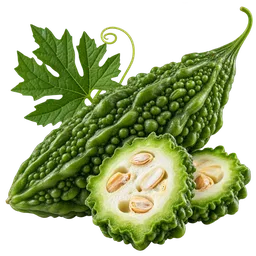
Momordica (bitter melon) shows a large effect on post-meal glucose rises in people with type 2 diabetes, but the finding needs confirmation before routine use.
What it does
Early findings (1)
-
Better blood sugar control · May help a little
at least 423 people · 3 reviews · noticed in 10–12 weeks
How to take it
Momordica is worth watching if your main interest is reducing the size of post-meal glucose spikes and you understand that the evidence is still early. Its larger signal comes from only a small number of studies, while fasting and average glucose results do not yet show a dependable benefit. 1 Skip it if you want a proven way to change long-term glucose measures, and be cautious if it causes diarrhea.
How much
The most eye-catching early result comes from juice: studies of 50 mL daily reported flatter after-meal glucose rises over about 10 weeks, although the small evidence base still needs confirmation. 1 For fasting glucose and average glucose, trials have used 600 to 6,000 mg daily of oral preparations for roughly 10 to 12 weeks. Those longer-term results remain uneven, so a larger dose does not guarantee a larger result. 1
When
The available protocols point to daily, consistent use across several weeks rather than an occasional dose when you expect a carb-heavy meal. Juice studies focused on the after-meal response, so taking juice with a meal fits the outcome researchers measured. 1 Capsule studies do not establish one clearly superior time of day. 1
Which form
Juice and oral extracts both appear in the research, but they are not interchangeable. A 50 mL juice serving carries a very different mix of plant compounds than a dried powder or capsule, which makes direct product comparisons shaky. 1 Look for a label that names Momordica charantia and states whether it contains juice, fruit powder, or an extract, rather than relying on a generic "bitter melon" claim. 1
The dose that worked, by measure (3)
- Lower average blood sugar
- 3,300 mg10–12 weeks
- Lower your fasting blood sugar
- 3,300 mg10–12 weeks
- Limit after-meal glucose rises
- 50 mL10 weeks
Who should be careful
Reported side effects
- diarrhoea mild
How it works
Bitter melon tastes intensely bitter, and its early glucose research delivers a similarly sharp reality check: one result looks exciting, while the broader picture still needs work.
Momordica charantia, often called bitter melon or bitter gourd, is a bumpy green fruit used in cooking across Asia, Africa, and the Caribbean. People also take it as juice, powder, or concentrated extract when they want extra support for handling carbohydrates.
Momordica contains plant compounds that researchers think influence how the gut handles carbohydrates and how readily cells pull glucose from the bloodstream. Think of it like turning down the speed of a conveyor belt that moves meal-derived sugar into circulation, while encouraging cells to take deliveries more efficiently. 1