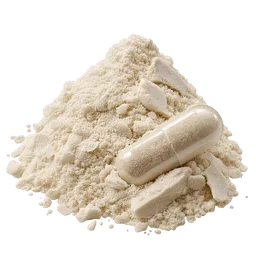
Sitostanol
Best for
Lower cholesterol
Likely benefit 1.6–3 g/day 4–26 weeks 1 meta-analysis, n=616 #4 of 97 studied
- 7 papers
- 2 of 31 outcomes
- 2 positive
Sitostanol offers a likely benefit for adults with elevated cholesterol by modestly lowering harmful LDL cholesterol, while evidence for other outcomes remains limited.
Median effective dose, most-studied outcomes
- Lower total cholesterol 1.6 g 4–26 wk
- Lower LDL cholesterol 1.6 g 4–26 wk
- Lower cholesterol in atherogenic particles 1.6 g 4–26 wk
Risk, worst reported severity
- gastrointestinal discomfort
- gastrointestinal symptoms
What sitostanol actually does
| Outcome | Effect | Evidence | Dose | Time | Rank |
|---|---|---|---|---|---|
| Clear benefits 1 | |||||
| Lower cholesterol Likely benefit High LDL cholesterol can build up in artery walls and raise the risk of heart disease. | | 1 meta-analysis 5 papers · n=616 | 1.6–3 g | 4–26 wk | #4 /97 |
| Worth watching 1 | |||||
| Lower cholesterol absorption Promising early signal Cholesterol absorption markers reflect cholesterol entering the body, which can affect blood cholesterol levels. | | 2 studies 2 papers · n=78 | 2.7–3 g | 4–7 wk | — |
Effect tiers come from native-unit MCID where available, Cohen's d otherwise.
Dose, timing & forms
How much
For LDL and total cholesterol, the studied daily range is 1.6 to 3 g of oral sitostanol. Effects showed up in trials lasting four weeks, while longer protocols ran to 26 weeks, so think of it as a daily cholesterol-management habit rather than a quick reset.1
When and how long
Take sitostanol with meals, especially meals that contain some fat, because that is when cholesterol enters the intestinal transport process that sitostanol blocks.1 If your product divides the daily amount across meals, follow that routine consistently. The key feature in the trials is daily intake over weeks.1
Forms & standardisation
The strongest trial coverage involves sitostanol delivered as a plant stanol ester in food-style products, rather than plain sitostanol powder.1 Look for a label that clearly states the amount of plant stanols or sitostanol per daily serving, not only the total weight of the food or capsule.
Studied range, by outcome
| Outcome | Studied range | Median effective | Duration | Evidence |
|---|---|---|---|---|
| Lower total cholesterol | 1.6–3 g | 1.6 g | 4–26 wk | 5 papers 5 sig. endpoints |
| Lower LDL cholesterol | 1.6–3 g | 1.6 g | 4–26 wk | 4 papers 5 sig. endpoints |
| Lower cholesterol in atherogenic particles | 1.6–3 g | 1.6 g | 4–26 wk | 3 papers 5 sig. endpoints |
| Take up less cholesterol | 2.7 g | 2.7 g | 4–7 wk | 2 papers 2 sig. endpoints |
Adverse events and drug interactions
Safety events
What this is and how it works
- Across 5 studies (n=616), sitostanol lowered LDL cholesterol, but no native-unit effect or MCID comparison is reported here.1
- Seven papers reviewed here span 31 outcomes, with strongest evidence concentrated on lower harmful cholesterol.
- Evidence centers on mildly hypercholesterolemic adults using sitostanol-ester margarine with meals.
Sitostanol is a plant stanol, a waxy natural compound found in tiny amounts in plant foods. It is commonly added to foods such as spreads or delivered in supplement forms because your body absorbs very little of it.1
Sitostanol crowds cholesterol out of the tiny fat-and-water transport bubbles in your intestine, like filling the last seats on a bus before cholesterol can board. Less cholesterol reaches the bloodstream, so LDL and total cholesterol fall over consistent daily use.1
Bottom line
Sitostanol is a sensible option if you want a food-based tool for modest LDL and total cholesterol reduction and can use it consistently with meals.1 It is not a shortcut for an overall cholesterol plan, and people with persistent high cholesterol or prescribed treatment should discuss changes with a clinician. Digestive discomfort can occur.
Common questions
Does sitostanol lower LDL cholesterol?
How does sitostanol lower cholesterol?
Is sitostanol the same as a cholesterol medicine?
Should you take sitostanol every day?
Sources
Sources
Generated August 27, 2026
Related
More evidence for Sitostanol
Ingredient evidence
Ingredient evidence
NewArtichoke
All scored outcomes
Aug 27, 2026
Ingredient evidence
Ingredient evidence
NewAsian Psyllium
All scored outcomes
Aug 27, 2026
Ingredient evidence
Ingredient evidence
NewAvocado
All scored outcomes
Aug 27, 2026
Ingredient evidence
Ingredient evidence
NewBarberry (Berberis spp.)
All scored outcomes
Aug 27, 2026
Ingredient evidence
Ingredient evidence
NewBerberine
All scored outcomes
Aug 27, 2026
Ingredient evidence
Ingredient evidence
NewBergamot (Citrus bergamia)
All scored outcomes
Aug 27, 2026