Zeaxanthin
Best for
Prevent age-related macular degeneration
Large effect, needs confirmation 0.4873–24 mg/day 2–104 weeks 1 meta-analysis, n=244 #2 of 7 studied
- 10 papers
- 1 of 5 outcomes
- 1 positive
Zeaxanthin shows a large effect on macular pigment defenses, but confirmation is needed before concluding that supplementation reliably improves real-world vision outcomes.
Median effective dose, most-studied outcomes
- Increase protective macular pigment 20 mg 13–104 wk
Risk, worst reported severity
- adipose tissue discoloration (yellow/orange)
- feces discoloration (orange-yellow)
- antineoplastic agents moderate
What zeaxanthin actually does
| Outcome | Effect | Evidence | Dose | Time | Rank |
|---|---|---|---|---|---|
| Worth watching 1 | |||||
| Prevent age-related macular degeneration Large effect, needs confirmation Age-related macular degeneration can take away sharp central vision for reading and recognizing faces. | | 1 meta-analysis 9 papers · n=244 | 0.4873–24 mg | 2–104 wk | #2 /7 |
Effect tiers come from native-unit MCID where available, Cohen's d otherwise.
Dose, timing & forms
How much
The better-studied oral protocols use 10 to 20 mg daily for building protective macular pigment, with the higher end appearing most often in the available pigment-focused trials.1 Give it time: measured pigment changes generally come from programs lasting roughly three months or more, not a quick visual tune-up.12 Evidence for easier fine-detail reading remains less settled, despite longer follow-up in some research.2
When and how long
Consistency matters more than a special clock time. Take zeaxanthin daily with a meal, ideally one that contains some dietary fat, because carotenoids travel through the gut with fats rather than dissolving easily in water.1 The research tracks steady use over weeks to years, so occasional doses do not match the studied approach.12
Forms & standardisation
Look for a label that names zeaxanthin and gives the amount per serving, rather than relying on a vague "eye blend." The strongest practical evidence comes from carotenoid combinations that pair zeaxanthin with lutein, reflecting how these pigments work together in macular pigment.12 Do not assume every zeaxanthin form produces identical results, since trials use specific formulations rather than interchangeable generic powders.
Studied range, by outcome
| Outcome | Studied range | Median effective | Duration | Evidence |
|---|---|---|---|---|
| Increase protective macular pigment | 10–20 mg | 20 mg | 13–104 wk | 4 papers 1 sig. endpoint |
| Read fine detail more easily | 10–20 mg | — | 104 wk | 1 paper |
Adverse events and drug interactions
Safety events
Drug interactions
Recommended Zeaxanthin products
Real products that dose Zeaxanthin where the research does, in a clean formulation, from brands we've audited. We only list ones we'd stand behind.
-

Swanson
Zeaxanthin 4 mg
Well dosed 4 mg/day A formulaBrand audit 69/100
-

NOW
Lutein & Zeaxanthin
Well dosed 5 mg/day A formulaBrand audit 87/100
-

Puritan's Pride
Zeaxanthin 4 mg
Well dosed 8 mg/day A formulaBrand audit 68/100
-

Doctor's Best
Best Lutein 20 mg
Well dosed 4 mg/day A formulaBrand audit 82/100
-

Doctor's Best
Lutein 20 mg with Lutemax 2020
Well dosed 4 mg/day A formulaBrand audit 82/100
-

Jarrow Formulas
Lutein 20 mg
Well dosed 4 mg/day A formulaBrand audit 81/100
Chosen for adequate Zeaxanthin dosing vs. the studied range, a clean formulation (grade A–C), and independent brand-quality audits. Not sponsored.
What this is and how it works
- Across 9 studies (n=244), zeaxanthin improved macular pigment-related endpoints, with effect size and MCID not reported here.1
- Ten papers reviewed here spanned five outcomes, with the strongest evidence addressing macular pigment support.
- Evidence remains insufficient to establish a guaranteed vision benefit from standalone zeaxanthin supplementation.
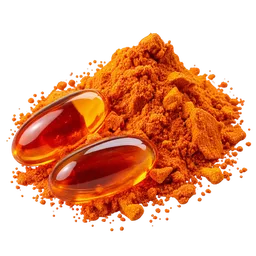
Zeaxanthin is a yellow-orange carotenoid, the same family of plant pigments that colors corn, orange peppers, and egg yolks. Your body does not make it, so you get it from food or supplements. In the eye, it gathers in the macula rather than spreading evenly through the retina.1
Zeaxanthin helps build macular pigment, a thin pair of tinted sunglasses placed directly over the retina's detail-reading center. That pigment absorbs part of the incoming blue light before it reaches light-sensitive cells, while its antioxidant activity helps manage the chemical wear created by bright light exposure.12
Bottom line
Zeaxanthin makes the most sense for someone who wants to support macular pigment and is willing to take it consistently for months, especially alongside lutein.12 The pigment result is promising, but the evidence does not yet establish that a standalone supplement delivers a guaranteed real-world vision outcome. Anyone receiving cancer treatment should check with their oncology clinician before using it because supplement interactions can matter.


Common questions
What does zeaxanthin do for your eyes?
How long does zeaxanthin take to build macular pigment?
Is zeaxanthin better with lutein?
Sources
Sources
Generated August 27, 2026
Related
More evidence for Zeaxanthin
Evidence guide
Zeaxanthin
NewFrom Cornfields to the "Yellow Spot": How Zeaxanthin Moved From Plate to Retina
Evidence guide
Apr 3, 2026
Ingredient evidence
Ingredient evidence
NewCarotenoid
All scored outcomes
Aug 27, 2026
Ingredient evidence
Ingredient evidence
NewLutein
All scored outcomes
Aug 27, 2026
Ingredient evidence
Ingredient evidence
NewGoji
All scored outcomes
Aug 27, 2026
Ingredient evidence
Ingredient evidence
NewSaffron
All scored outcomes
Aug 27, 2026