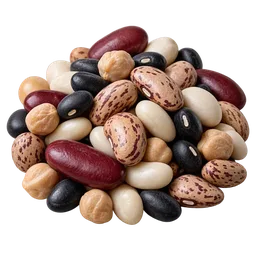
Bean
What the trials found
Bean supplements do not reliably lower after-meal glucose, because one small clinical test found no significant benefit and broader evidence remains too thin for a dependable recommendation.
- 1 papers
- 0 of 2 outcomes
Risk, worst reported severity
- acute tonsilitis mild
Dose, timing & forms
How much
There is no evidence-based dose range for using bean supplements to limit after-meal glucose rises. The reviewed trial used 3 g orally, but it did not produce a statistically significant result, so that amount is a tested protocol rather than a proven target.1 Avoid treating a larger dose as more effective when the starting evidence has not established a benefit.
When and how long
The available evidence does not establish an ideal time of day, meal pairing, or split-dose plan. Because the measured outcome was after-meal glucose, taking a product apart from meals would not match the question researchers tested. Use the product label as a safety instruction, not as proof that a particular schedule works.
Forms & standardisation
No bean form or standardization marker has strong clinical support for after-meal glucose control in the evidence reviewed here. Labels sometimes emphasize fiber, resistant starch, or carbohydrate-digesting enzyme activity, but those details do not yet identify a reliably effective product. Whole beans remain the more predictable way to get the food's fiber and resistant starch.1
Studied range, by outcome
| Outcome | Studied range | Median effective | Duration | Evidence |
|---|---|---|---|---|
| Limit after-meal glucose rises | 3 g | — | — | 1 paper |
Adverse events and drug interactions
Safety events
What this is and how it works
- One tested oral protocol showed no significant effect on after-meal glucose. 1
- One paper reviewed here spans two outcomes, leaving no established bean supplement dose or form.
- Evidence covers a narrow clinical protocol rather than routine dietary bean intake.
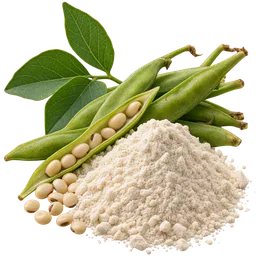
Bean supplements use material from edible legumes, often common bean varieties. Depending on the product, that material can include powdered bean, fiber-rich fractions, or concentrated compounds involved in carbohydrate digestion. Whole beans are foods first, while a bean supplement is a processed product with a very different nutrition profile.
Beans contain fiber and resistant starch, components that make digestive enzymes work through a slower, more crowded food mixture rather than a clear lane. That slower breakdown can change how quickly carbohydrate reaches the bloodstream, but the available clinical result for a bean supplement did not show a significant after-meal glucose effect.1
Bottom line
Skip bean supplements if your main goal is reliably lowering after-meal glucose. One tested oral protocol showed no significant effect, and no established form or dose stands out. People who simply want more legumes in their diet are better served by eating beans as food, while anyone managing glucose with medication should discuss supplement changes with a clinician.
Co-studied with
Common questions
Do bean supplements lower blood sugar after meals?
What is the best dose of bean supplement?
Is eating beans the same as taking a bean supplement?
Sources
Sources
Generated August 27, 2026
Related
More evidence for Bean
Ingredient evidence
Ingredient evidence
NewAsian Psyllium
All scored outcomes
Aug 27, 2026
Ingredient evidence
Ingredient evidence
NewBarley
All scored outcomes
Aug 27, 2026
Ingredient evidence
Ingredient evidence
NewBerberine
All scored outcomes
Aug 27, 2026
Ingredient evidence
Ingredient evidence
NewBitter Melon
All scored outcomes
Aug 27, 2026
Ingredient evidence
Ingredient evidence
NewChromium
All scored outcomes
Aug 27, 2026
Ingredient evidence
Ingredient evidence
NewCinnamon
All scored outcomes
Aug 27, 2026