Barley
3 studies read · 2 answers · 2 sources
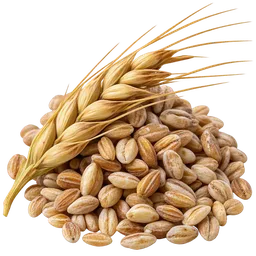
Barley shows a large effect on after-meal glucose rises, but confirmation is needed; fullness and snacking benefits remain promising early signals.
What it does
Worth watching
-
Better blood sugar control · May help a lot
Blood sugar is the body’s main fuel, and keeping it in a healthy range matters for daily energy and long-term health.
1 trial · 70 people
Early findings (1)
-
Better appetite control · Unclear if it helps
2 trials · 91 people
How to take it
Barley makes the most sense for someone who wants a food-based fiber tool for steadier after-meal energy or better meal fullness. The glucose and appetite signals are interesting, especially for such a familiar grain, but the direct evidence remains early and small. Skip the hype if you expect a standalone fix, and choose a clearly labeled beta-glucan product if you try it.1,2
How much
For fullness, the small studies tested 2.9 to 7 g of barley material or beta-glucan-containing preparations, with a middle effective amount near 5 g. For limiting the after-meal glucose rise, the early positive study used 7 g. These are promising food-level fiber amounts, not a reason to chase huge doses before larger trials confirm the effect.1,2
When
Take barley beta-glucan with the meal you want to influence, since researchers measure the glucose effect after participants eat it as part of a meal.1 If fullness is your goal, use it with a meal that normally leaves you reaching for snacks soon afterward, rather than treating it as an occasional between-meal fix.2
Which form
Look for a product that states its beta-glucan content in grams. “Barley” alone does not tell you how much of the gel-forming fiber you actually get. The research centers on beta-glucan-rich barley foods and preparations, so a label with a named beta-glucan amount is more useful than vague whole-grain language.1,2
The dose that worked, by measure (2)
- Stay fuller between meals
- 4.95 g
- Limit after-meal glucose rises
- 7 g
Bottles worth buying
Dosed where the research is, in a clean formula, from audited brands. Not sponsored.
-

Barley Grass Extract Powder 3 g
BulkSupplements.com · 6 Gram(s) a day · brand audit 54
-

Organic Barley Grass
BulkSupplements.com · 6 Gram(s) a day · brand audit 54
-

Barley Grass
Nature's Way · 4.5 Gram(s) a day · brand audit 72
-

Barley Grass Powder
Nature's Way · 12 Gram(s) a day · brand audit 72
-

Organic Greens Formula Watermelon Flavor
Puritan's Pride · 3.5 Gram(s) a day · brand audit 68
-

Barley Grass Juice Powder
The Vitamin Shoppe · 4.5 Gram(s) a day · brand audit 69
How it works
Barley is not just an old-school grain. Its signature fiber shows an early, surprisingly strong signal for taking the sharp edge off a meal's glucose rise.1
Beta-glucan works like a mesh strainer in the small intestine: it thickens the meal as it moves through, so glucose reaches the bloodstream less abruptly.1 That same thickness can slow stomach emptying and strengthen fullness signals after eating, which gives the appetite finding a plausible biological basis.2