Glucomannan
6 studies read · 4 answers · 2 sources
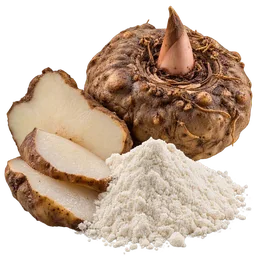
Glucomannan shows a likely strong benefit for lowering LDL cholesterol, while evidence across other outcomes, including weight loss, is less convincing.
What it does
Worth watching
-
Lose weight · May help
Lower weight and less body fat can change how clothes fit and how easily everyday movement feels.
2 trials · 147 people · noticed in 4–52 weeks
-
Lower blood cholesterol · May help a lot
Blood cholesterol, especially excess LDL, can contribute to plaque buildup in artery walls and raise heart risk.
1 review of at least 11 trials · 334 people · noticed in 4–52 weeks
Early findings (2)
-
Better appetite control · Unclear if it helps
1 trial · 47 people · noticed in 8 weeks
-
Less constipation · Unclear if it helps
1 review of 3 trials · 154 people · noticed in 4 weeks
How to take it
Glucomannan makes the most sense for someone who wants an evidence-backed fiber tool to improve LDL cholesterol and can use it consistently with plenty of water.1 Weight loss is an interesting possibility, not a promise. Skip it without clinician guidance if swallowing is difficult or if you cannot reliably take it with enough fluid.2
How much
For cholesterol, trials span 1.2 to 15 g daily, with the more effective protocols clustering around 11.55 g per day and often showing changes within about six weeks.1 Weight-focused studies also tested a broad 1.2 to 15 g daily range over longer periods, but the weight result needs confirmation before you treat a high dose as a reliable plan.1 Start conservatively and increase only according to the product directions, since this fiber expands with water.2
When
The useful pattern in the trials is consistency: participants take glucomannan daily for weeks, not just on days when they want to feel fuller.1 Use the meal timing listed on your product, and take every dose with a generous amount of water. Never swallow a dry powder or capsules with only a small sip, because the fiber swells after it contacts fluid.2
Which form
Choose an oral product that clearly states the grams of glucomannan per serving, rather than relying on a vague "konjac" blend. The clinical evidence comes from measured oral glucomannan doses, so a label that lets you calculate your daily grams is more useful than marketing around fullness or detoxing.1 Powder can make adequate fluid intake easier to see, while capsules demand extra care with water.2
The dose that worked, by measure (4)
- Lower LDL cholesterol
- 11.55 g4–52 weeks
- Lower total cholesterol
- 11.55 g4–52 weeks
- Move toward a healthier weight
- 15 g2–52 weeks
- Reduce total body fat
- 15 g8–52 weeks
Who should be careful
Reported side effects
- esophageal obstruction severe
- oesophageal perforation severe
- dysphagia moderate
- belching mild
- bloating mild
- stomach fullness mild
- Gastrointestinal adverse events (flatulence, diarrhoea) mild
How it works
This konjac-root fiber has a surprisingly clear strength: it lowers LDL cholesterol more convincingly than it changes the scale.1
Glucomannan is a soluble fiber from the root of the konjac plant. When you mix it with water, it forms a thick gel, which is why powders and capsules need plenty of fluid.1
Think of glucomannan as a soft gel net moving through your gut: its thickness can trap some bile components, so your body uses circulating cholesterol to replace them.1 That same gel changes the speed and feel of digestion, which explains why researchers are also studying fullness and body weight, though those findings remain less settled.1