Gotu Kola
9 studies read · 4 answers · 3 sources
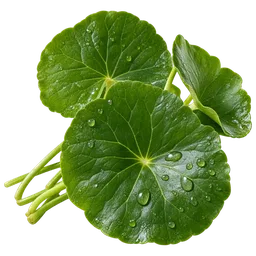
Gotu Kola shows a promising early signal across skin moisture, circulation, and focus outcomes, but evidence remains early rather than established.
What it does
Early findings (4)
-
Fewer leg vein symptoms · May help
1 review of 3 trials · 191 people · noticed in 4–8 weeks
-
Feel less daily stress · May help
1 review · 14 people · noticed in 8 weeks
-
Better blood flow · Unclear if it helps
1 review of at least 3 trials · at least 158 people · noticed in 8 weeks
-
More skin hydration · Unclear if it helps
1 trial · 106 people · noticed in 4 weeks
How to take it
Gotu kola is worth watching if you want a non-stimulating supplement for calm under pressure, skin support, or circulation, and you accept that the human evidence is still early.1,2,3 Do not expect a proven all-purpose brain booster. If you use prescription medicines or have ongoing health concerns, check with a clinician or pharmacist before trying it.
How much
The most relevant oral protocols differ sharply by the preparation and goal. Early studies used 60 mg daily for leg heaviness and swelling, 750 mg daily for feeling calmer under pressure, and 2,200 mg daily for skin-barrier outcomes, so a dose only makes sense when the label clearly identifies what form it contains.1,2,3 Give it time: the available protocols ran from four weeks for skin outcomes to eight weeks for calm and circulation outcomes.1,2,3
When
The studies test gotu kola as a daily routine, not an occasional rescue supplement.1,2,3 Match the schedule to the product label and the trial-backed preparation, then keep the timing consistent while you assess it over the full study-like window. The published summaries do not establish a clear advantage for morning versus evening use across these outcomes.1,2,3
Which form
Do not treat every gotu kola product as interchangeable. Look for Centella asiatica plus the extract details and, when listed, its triterpenes such as asiaticoside and madecassoside, because those compounds are central to the plant's skin-focused research.2 A label that gives only a large herb weight without naming the extract offers much less clarity about how it relates to the studied preparations.2
The dose that worked, by measure (3)
- Ease swelling and leg heaviness
- 60 mg4–8 weeks
- Stay calm and trust yourself
- 750 mg8 weeks
- Support your skin barrier
- 2,200 mg4 weeks
Who should be careful
Medicines it can clash with
- digoxin moderate
- risperidone moderate
- valproic acid moderate
- fluorouracil moderate
- doxorubicin moderate
Reported side effects
- nausea severe
- stomach pain mild
- hepatocellular necrosis mild
- lymphocytic infiltration mild
- renal tubular necrosis mild
- hydronephrosis mild
- gastrointestinal discomfort mild
- flatulence mild
How it works
Gotu kola is the common name for Centella asiatica, a leafy herb used for centuries in parts of Asia. Supplements use the whole herb or concentrated extracts rich in triterpenes, including asiaticoside, madecassoside, asiatic acid, and madecassic acid.2
Its triterpenes appear to influence the body's collagen-building and antioxidant defense systems, like giving the skin's repair crew better building materials and protection from rust.2 In nervous-system research, gotu kola also changes the startle response, a fast alarm reaction that scientists use to examine how the brain handles sudden stress.1