Hydroxytyrosol
5 studies read · 1 answers · 1 sources
Hydroxytyrosol protects LDL particles from oxidation in adults, but reviewed human evidence does not establish improvements in energy, weight, exercise performance, memory, or cardiovascular outcomes.
What it does
Early findings (1)
-
Less oxidative stress · Unclear if it helps
1 trial · 28 people · noticed in 3 weeks
How to take it
Hydroxytyrosol fits people who want a precisely dosed olive polyphenol and understand that the best human evidence centers on laboratory antioxidant markers. It is not the pick for anyone seeking established improvements in energy, weight, exercise performance, memory, or cardiovascular outcomes, because the reviewed evidence does not demonstrate those benefits. 1
How much
The clearest human protocol used 15 mg daily for 3 weeks, with improvements in overall antioxidant capacity and protection of cell membrane fats. 1 That is a focused, short-term finding from limited research, so there is no evidence-based reason to chase very high doses or expect a dramatic day-to-day effect. 1
When
Use it consistently each day for the full trial-like period, rather than taking it only on stressful days or after hard workouts. The available evidence does not establish a preferred morning versus evening schedule, or show that taking it with food changes outcomes. 1
Which form
Look for a supplement that states the actual hydroxytyrosol amount per serving, not only the weight of an olive extract blend. Isolated hydroxytyrosol is the relevant form for the reviewed 15 mg protocol, while olive oil and olive leaf extracts can contain very different polyphenol profiles. 1
The dose that worked, by measure (2)
- Protect cell membrane fats
- 15 mg3 weeks
- Support overall antioxidant capacity
- 15 mg3 weeks
Who should be careful
Medicines it can clash with
- miltefosine moderate
Reported side effects
- adverse event (unspecified) reported as none
- adverse events
How it works
One of olive oil's smallest compounds has a surprisingly specific job: it helps shield vulnerable fats from oxidation.
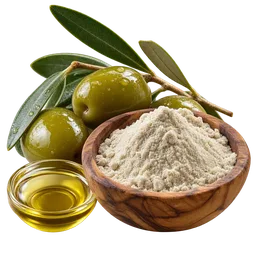
Hydroxytyrosol is a naturally occurring polyphenol found in olives and extra-virgin olive oil. Supplements isolate it into a measured dose, rather than asking you to guess how much you get from a drizzle of oil. 1
Oxidation is like oxygen slowly turning a cut apple brown. Hydroxytyrosol helps interrupt that chain reaction before it spreads through fats, including fats carried in the blood and built into cell membranes. 1 The strongest reviewed human findings track antioxidant capacity and markers of membrane-fat protection, rather than symptoms you can immediately feel. 1