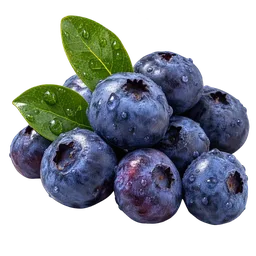
Blueberry
What the trials found
Blueberry supplements do not yet have a clear overall health benefit, with human evidence strongest only for short-term changes in antioxidant or oxidative-stress markers.
- 39 papers
- 0 of 103 outcomes
- 1 severe
Median effective dose, most-studied outcomes
- Support overall antioxidant capacity 200 g <1 wk
Risk, worst reported severity
- aspiration during gavage leading to early euthanasia severe
- leukocytosis mild
- triazolam minor
- buspirone minor
Dose, timing & forms
How much
The clearest dose signal comes from a short study using 200 g of blueberry as a food-level serving, where researchers assessed antioxidant-capacity markers. 1 That is useful as a real-world benchmark, but it does not justify treating blueberry as a high-dose antioxidant therapy or assuming the same result from every capsule or extract. 1
When and how long
Research does not identify a best morning, evening, or workout-specific time for blueberry intake. The short protocol used oral blueberry intake over several days, so consistency fits the evidence better than occasional use when you feel run-down. 1 Take a food-based product with a meal if that feels better on your stomach, but this has not been tested as a performance advantage. 1
Forms & standardisation
The human trial used a wild blueberry drink, not a highly concentrated capsule, so beverage and whole-food forms currently sit closer to the evidence than proprietary extracts. 1 If you choose an extract, look for clear disclosure of the blueberry species and anthocyanin content, rather than relying on a vague “berry blend” label. Evidence has not established a specific anthocyanin standard that predicts results. 1
Studied range, by outcome
| Outcome | Studied range | Median effective | Duration | Evidence |
|---|---|---|---|---|
| Support overall antioxidant capacity | — | 200 g | <1 wk | 1 paper 1 sig. endpoint |
Adverse events and drug interactions
Safety events
Drug interactions
What this is and how it works
- One human study examined a wild blueberry drink’s short-term oxidative-stress markers in healthy subjects, without a reported effect estimate. 1
- Thirty-nine papers reviewed here span 103 outcomes, making the overall blueberry-supplement picture broad but uneven.
- Evidence centers on short-term biomarker changes rather than proven improvements in symptoms, disease risk, or long-term health.
Blueberries are small berries from Vaccinium species, valued for their deep blue-purple pigments. Those pigments include anthocyanins, plant compounds that give blueberries their color and make them a common ingredient in powders, juices, and extracts.
Anthocyanins interact with the body's antioxidant defense network, which works like a cleanup crew that neutralizes unstable molecules before they bump into and damage cell parts. A short trial of a wild blueberry drink found changes in oxidative-stress markers in healthy adults, though that result does not prove broad health benefits. 1
Bottom line
Blueberry makes the most sense for someone who wants a nutrient-rich food or drink and likes the idea of adding anthocyanin-rich plants to their routine. The reviewed human evidence for antioxidant capacity is short-term and limited, so keep expectations modest. 1 Skip expensive extracts that hide their anthocyanin content or promise dramatic results.
Common questions
Do blueberries work as an antioxidant supplement?
Is blueberry extract better than eating blueberries?
When should you take a blueberry supplement?
Sources
Sources
Generated August 27, 2026
Related
More evidence for Blueberry
Evidence guide
Blueberry (Vaccinium spp.)
NewThe Blue That Bends Rivers: How a tiny berry reshaped hearts, minds, and a century of American food
Evidence guide
Apr 1, 2026
Evidence map
Focus & memory
NewFocus & memory: evidence map across 45 supplements
Evidence coverage map
Jul 30, 2026
Ingredient evidence
Ingredient evidence
NewAnthocyanidins
All scored outcomes
Aug 27, 2026
Ingredient evidence
Ingredient evidence
NewAstaxanthin
All scored outcomes
Aug 27, 2026
Ingredient evidence
Ingredient evidence
NewBilberry
All scored outcomes
Aug 27, 2026
Ingredient evidence
Ingredient evidence
NewBlack Currant
All scored outcomes
Aug 27, 2026