Chlorella
21 studies read · 0 answers · 2 sources
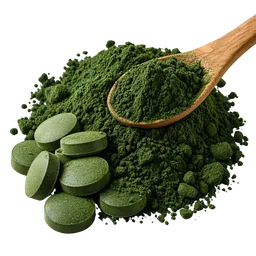
Chlorella does not appear to deliver reliable benefits across major health outcomes; evidence is strongest but still unsettled for antioxidant markers and lipid profiles.
How to take it
How much
For the clearest signal in the reviewed evidence, studies used 1,800 mg daily of oral chlorella for 12 weeks to support overall antioxidant capacity. 1 That is a useful research benchmark, not proof that a higher dose delivers a larger result. The evidence base is still small, so avoid treating chlorella as a shortcut for every goal on the label. 1
When
Which form
The evidence here applies to oral chlorella preparations, not to a particular brand, extract ratio, or pigment standardization. 1 Look for a label that clearly identifies chlorella and gives the amount per daily serving. Claims about special processing or unusually high active compounds run ahead of the clinical evidence summarized here. 1
The dose that worked, by measure (1)
- Support overall antioxidant capacity
- 1,800 mg12 weeks
Bottles worth buying
Dosed where the research is, in a clean formula, from audited brands. Not sponsored.
-

Emerald Garden Organic Chlorella
Source Naturals · 6 Gram(s) a day · brand audit 73
-

Yaeyama Chlorella
Source Naturals · 9 Gram(s) a day · brand audit 73
-

Super Greens & Collagen Powder
The Vitamin Shoppe · 8 Gram(s) a day · brand audit 69
-

Pure Chlorella Broken Cell Powder
Hard Rhino · 9,000 mg a day
-

Chlorella Broken Cell
HR Supplements · 9 Gram(s) a day
-

Nepro Rella
Nestmann Pharma · 4.8 Gram(s) a day
How it works
Chlorella looks like pond scum, but its tiny green cells have sparked real interest as an antioxidant supplement. The catch: the human evidence is intriguing, not settled. 1
Chlorella is a single-celled green algae grown in freshwater and sold as tablets, capsules, or powder. It contains pigments, fats, protein, and micronutrients, which is why it often lands in the same conversation as greens powders. 1
Chlorella carries plant pigments and other compounds that interact with reactive molecules, the unstable byproducts your body creates during normal metabolism and stress. Think of these molecules as sparks from a fireplace: antioxidant systems help keep sparks from landing where they cause damage, and small clinical trials found that chlorella changed measures of that protective capacity. 1