Black Currant
10 studies read · 0 answers · 2 sources
Black currant does not appear to produce a reliably noticeable performance or health improvement across the studied outcomes, while evidence for antioxidant effects remains limited and mixed.
How to take it
Black currant is a reasonable option if you want an anthocyanin-rich fruit extract and understand that the evidence for antioxidant capacity remains limited and mixed.1,2 It is not the pick for someone expecting a reliably noticeable performance or health change. Skip it if it causes gastrointestinal upset, and seek individualized advice before use during pregnancy, breastfeeding, or alongside medications.
How much
For overall antioxidant capacity, the studied oral amount was 600 mg daily. The evidence is thin: two studies assessed this outcome and one reported a significant change, so treat this as a research-informed starting point rather than a proven target.2
When
The antioxidant-capacity trials used daily supplementation for roughly 1 to 5 weeks, not a one-off dose before a workout or stressful day.2 The available protocols do not establish a best time of day or a clear advantage for taking it with food, so follow the product directions and choose a time you can repeat consistently.
Which form
Look for a product that clearly identifies black currant fruit extract and lists the amount per serving. Anthocyanins are the fruit compounds most often linked to black currant's purple color and biological activity, but the available evidence does not establish a specific anthocyanin standard or extract ratio as best.1,2 Do not assume black currant juice, fruit extract, and seed oil deliver equivalent compounds or results.1
The dose that worked, by measure (1)
- Support overall antioxidant capacity
- 600 mg1–5 weeks
Who should be careful
Reported side effects
- minor gastrointestinal upset mild
Bottles worth buying
Dosed where the research is, in a clean formula, from audited brands. Not sponsored.
-

OptiVision
SuperSmart · 562.5 mg a day · brand audit 63
-

Black Currant Leaf 450 mg
TerraVita · 1,350 mg a day
-

Blak Currant (Cassis) Leaf 450 mg
TerraVita Premium Collection · 1,350 mg a day
-

Black Currant Sugar Free
Herbal Terra · 3,880 mg a day
-

Appetite Improvement Complex 450 mg
TerraVita Premium Collection · 1,350 mg a day
-

Black Currant
Pure Herbs · 2,003 mg a day
How it works
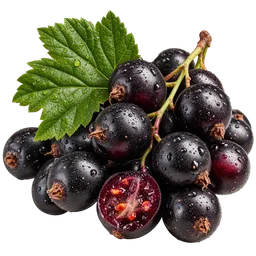
Black currant gets its nearly ink-purple color from anthocyanins. That color signals a real set of plant compounds, but the human evidence still asks more questions than it answers.1
Black currant comes from the dark berries of Ribes nigrum, a shrub grown widely in cooler parts of Europe and Asia. Supplements usually concentrate compounds from the fruit, especially anthocyanins, rather than simply turning the berry into a pill.1
Anthocyanins interact with the body's oxidation-control systems, which handle reactive molecules produced during normal metabolism and hard exercise.1 Picture them as extra hands on a busy cleanup crew, helping manage loose chemical sparks before they set off more reactions. In the reviewed trials, changes in overall antioxidant capacity were inconsistent, with one of two studies reporting a significant result.2