Kava kava
3 studies read · 1 answers · 3 sources
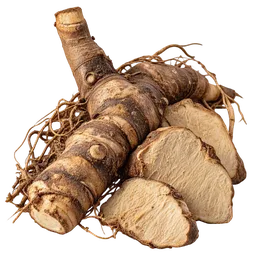
Kava kava produces a proven but unnoticeable reduction in anxiety, making it a modest option rather than a standout choice for everyday anxiety relief.
What it does
Modest benefits
-
Fewer anxiety symptoms · Probably helps
Anxiety symptoms can make ordinary demands feel harder to face and disrupt a sense of ease.
1 trial · at least 345 people · 1 review · noticed in 4 weeks
How to take it
Kava is not a standout option for everyday anxiety: the available short trials show a real but typically hard-to-notice average benefit.1,2 Given reports of severe liver injury and major interactions, it is a poor self-directed choice for anyone with liver concerns, regular alcohol use, or prescription medicines.3
How much
The anxiety trials examined 300 mg daily of oral kava extract, generally over several weeks rather than as a one-off remedy.1,2 Results suggest only a trivial average improvement in worry and tension, so increasing the dose to chase a stronger effect is not a sensible tradeoff given kava's liver risk.1,2,3
When
Trials use kava consistently each day across roughly 4 to 12.5 weeks, not only before stressful events.1,2 Follow the product and clinician guidance on whether to split the daily amount, and avoid combining kava with alcohol or sedating medicines because impairment and interaction risks matter more than timing convenience.3
Which form
Look for a product that clearly identifies kava root and states its kavalactone content. The clinical research evaluates defined oral extracts, not homemade drinks or poorly specified blends, so a label that hides the plant part or active-compound content gives you little basis for comparison.1,3 Do not treat a more concentrated extract as automatically better: the evidence does not show that higher strength creates a meaningful anxiety benefit.1,2
Who should be careful
Medicines it can clash with
- alprazolam major
- acetaminophen major
- duloxetine major
- venlafaxine major
- antidepressants moderate
- levodopa moderate
- unknown specific drugs (class-level warning) moderate
Reported side effects
- hepatocellular necrosis severe
- hepatotoxicity severe
- angioedema severe
- hepatic necrosis severe
- cholestatic hepatitis severe
- serotonin syndrome severe
- seizure (including withdrawal seizures in heavy users) severe
- rhabdomyolysis severe
How it works
Kava kava comes from the root of Piper methysticum, a shrub traditionally prepared as a drink across Pacific Island cultures. Supplements concentrate compounds called kavalactones, which create its calming and sometimes sedating effects.3
Kavalactones appear to turn up the brain's gamma-aminobutyric acid signaling, one of the main braking systems for overactive nerve activity.3 Think of it like easing pressure on a car's accelerator rather than switching off the engine: the brain's alerting circuits receive a softer signal, which researchers connect to kava's calming effects.3