Olive
3 studies read · 3 answers · 1 sources
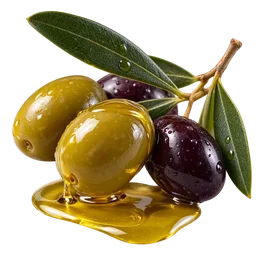
Olive leaf extract produces a large blood-pressure effect, but the finding needs confirmation; evidence remains too thin for dependable cholesterol benefits.
What it does
Early findings (1)
-
Lower blood pressure · Unclear if it helps
4 trials · 359 people · 1 review · noticed in 1–12 weeks
Doesn't appear to help
-
Better blood sugar control · May not help
Blood sugar is the body’s main fuel, and keeping it in a healthy range matters for daily energy and long-term health.
5 trials · 317 people · 1 review · noticed in 1–12 weeks
-
Lower blood cholesterol · May not help
Blood cholesterol, especially excess LDL, can contribute to plaque buildup in artery walls and raise heart risk.
6 trials · 435 people · 1 review · noticed in 2–52 weeks
How to take it
Olive leaf extract is worth watching if you want to explore an early, food-derived option for blood pressure support and already have the fundamentals in place. The signal is interesting, but the evidence is too thin to lean on for cholesterol support or to expect predictable results. 1 If it triggers an acne flare or any unwanted reaction, stop using it and speak with a clinician.
How much
The available 12-week protocol centers on 51.1 mg daily of an olive-derived phenolic component, with blood pressure as the most interesting outcome. 1 Treat that as a research reference point, not a confirmed target dose, because the evidence comes from early work and cholesterol outcomes did not show meaningful improvement. 1
When
Take olive leaf extract consistently every day during a planned trial period rather than using it occasionally. The key study assessed outcomes after 12 weeks, so it offers no evidence that a single dose produces a useful blood pressure effect. 1 If you use it, follow the product label for whether to take it with food, since the trial evidence does not establish a best time of day. 1
Which form
Look for an olive leaf extract that names its phenolic content, particularly oleuropein, rather than a label that simply says "olive." The studied product was a phenolic-rich leaf extract, so olive oil and unstandardized olive powders do not match the tested form. 1
Who should be careful
Reported side effects
- acne flare
How it works
A small olive-derived dose produced an eye-catching blood pressure signal in early research, but it is nowhere near a proven replacement for the basics. 1
Olive supplements usually use an extract from olive leaves rather than the oil you drizzle on food. The extract concentrates plant compounds called polyphenols, especially oleuropein, which gives olive leaves their sharp, bitter taste. 1
Olive leaf polyphenols appear to influence the enzyme signals that tell blood vessel walls when to tighten or loosen, like adjusting the pinch on a garden hose. That mechanism fits the blood pressure changes seen in a 12-week trial, although the trial was too limited to settle how dependable the effect is. 1