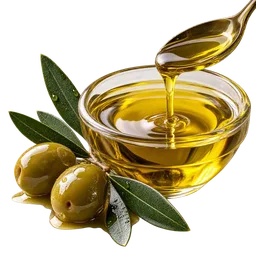
Olive Oil
What the trials found
Olive oil supplements do not have enough research to establish a cholesterol-lowering benefit, including for LDL cholesterol in adults.
- 2 papers
- 1 of 7 outcomes
What olive oil actually does
High LDL cholesterol can build up in artery walls and raise the risk of heart disease. 29956886
| Outcome | Effect | Evidence | Dose | Time | Rank |
|---|---|---|---|---|---|
| Early research 1 | |||||
| Lower cholesterol Not enough research High LDL cholesterol can build up in artery walls and raise the risk of heart disease. | | 2 RCTs 1 papers · n=— | 22–500 mg/kg | 3 wk | — |
Effect tiers come from native-unit MCID where available, Cohen's d otherwise.
Dose, timing & forms
How much
There is no established olive oil dose for lowering LDL cholesterol. The reviewed oral LDL experiment used a weight-based protocol over three weeks and showed no significant LDL effect, so it does not provide a sensible consumer dose target.1 Treat olive oil as a food choice rather than a measured cholesterol supplement.
When and how long
No evidence-based time of day or split-dose routine exists for olive oil aimed at LDL cholesterol. Use it in meals if it fits your diet, rather than taking it occasionally for a quick cholesterol change. The available LDL research ran for weeks, not as a one-time dose.1
Forms & standardisation
Extra-virgin olive oil is the form to look for if you want the olive's naturally occurring phenolic compounds. Labels sometimes list polyphenol content, but a higher number does not yet translate into a proven LDL-lowering dose. The strongest human work on olive oil phenolics examined risk markers, not a validated supplement protocol for cholesterol reduction.1
Studied range, by outcome
| Outcome | Studied range | Median effective | Duration | Evidence |
|---|---|---|---|---|
| Lower LDL cholesterol | 500 mg/kg | — | 3 wk | 1 paper |
What this is and how it works
- One randomized trial assessed two cholesterol-related endpoints without establishing a reliable LDL-lowering effect.1
- Two papers reviewed here span seven outcomes, with cholesterol evidence limited to one early study.
- Evidence applies to olive-oil polyphenols, not necessarily standard olive-oil capsules or high-dose routines.
Olive oil is the fat pressed from olives. Extra-virgin olive oil undergoes minimal refining, so it keeps more of the olive's natural phenolic compounds, alongside its mostly monounsaturated fat. Refined oils contain less of those plant compounds.
Olive oil phenolics act a bit like rust protection on circulating LDL particles: they can limit chemical oxidation of those particles, which is different from lowering the amount of LDL in your blood.1 A randomized trial found that oils with different phenolic content changed some heart-risk markers, but this mechanism does not establish a meaningful LDL-lowering supplement effect.1
Bottom line
Choose extra-virgin olive oil because it is a flavorful dietary fat with studied plant compounds, not because current evidence establishes it as an LDL-lowering supplement. If lowering LDL is your goal, do not rely on an olive oil capsule or high-dose routine from this limited, non-significant evidence.1
Common questions
Does olive oil lower LDL cholesterol?
What type of olive oil has the most studied compounds?
Should I take olive oil as a supplement?
Sources
Sources
Generated August 27, 2026
Related
More evidence for Olive Oil
Ingredient evidence
Ingredient evidence
NewArtichoke
All scored outcomes
Aug 27, 2026
Ingredient evidence
Ingredient evidence
NewAsian Psyllium
All scored outcomes
Aug 27, 2026
Ingredient evidence
Ingredient evidence
NewAvocado
All scored outcomes
Aug 27, 2026
Ingredient evidence
Ingredient evidence
NewBarberry (Berberis spp.)
All scored outcomes
Aug 27, 2026
Ingredient evidence
Ingredient evidence
NewBerberine
All scored outcomes
Aug 27, 2026
Ingredient evidence
Ingredient evidence
NewBergamot (Citrus bergamia)
All scored outcomes
Aug 27, 2026