Gymnema
5 studies read · 2 answers · 2 sources
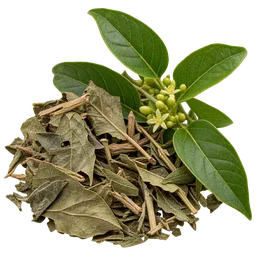
Gymnema shows a large effect on feeling full longer and snacking less, but confirmation is needed before treating the finding as a dependable weight-management strategy.
What it does
Early findings (2)
-
Better appetite control · May help a little
1 trial · 56 people · noticed in 2 weeks
-
Better blood sugar control · Unclear if it helps
1 trial · 50 people · noticed in 13 weeks
How to take it
Gymnema is worth watching if sweet cravings are your main obstacle, especially if you are comfortable treating it as a short-term experiment rather than a proven weight-management tool.1 Skip the hype around major weight loss or dependable glucose control: the craving finding needs stronger confirmation, and the glucose evidence rests on one small clinical study.2
How much
When
The craving research used gymnema consistently over a short daily course, not as an occasional rescue after a dessert craving hits.1 The reviewed trials do not establish an ideal time of day or a proven rule for taking it with meals, so follow the product label rather than assuming a meal-timing strategy.1
Which form
Look for a product that clearly identifies Gymnema sylvestre leaf extract and states its gymnemic-acid content when available. Research does not yet establish that one extract ratio or standardization marker works best for cravings, so products with vague proprietary blends give you little way to compare what you are taking.1
The dose that worked, by measure (3)
- Reduce food cravings
- 4 mg2 weeks
- Lower your fasting blood sugar
- 400 mg12 weeks
- Lower average blood sugar
- 400 mg12 weeks
Who should be careful
Reported side effects
- dysgeusia
- diarrhea
- nausea
- reflux
- decreased consistency of stools
- polydipsia
- constipation
- hemorrhoidal bleeding
Bottles worth buying
Dosed where the research is, in a clean formula, from audited brands. Not sponsored.
-

Gymnema Sylvestre
Pure Encapsulations · 750 mg a day · brand audit 78
-

Gymnema Leaf Extract Alcohol-Free
Nature's Answer · 200 mg a day · brand audit 75
-

Gymnema sylvestre Leaf 400 mg
Swanson · 800 mg a day · brand audit 69
-

Gymnema Sylvestre 250 mg
The Vitamin Shoppe · 250 mg a day · brand audit 69
-

Gymnema Sylvestre 1500 mg
SuperSmart · 1,500 mg a day · brand audit 63
-

Gymnema 300 mg
Nature's Answer · 600 mg a day · brand audit 75
How it works
A plant that makes sweet foods taste less exciting sounds made up. Gymnema gives researchers a real reason to investigate whether that sensory shift can quiet cravings.1
Gymnema comes from the leaves of Gymnema sylvestre, a climbing plant long used in traditional Indian practices. Its best-known compounds, gymnemic acids, create a temporary sweet-dulling effect in the mouth and have drawn interest for appetite and glucose research.1