Lemon Balm
17 studies read · 5 answers · 2 sources
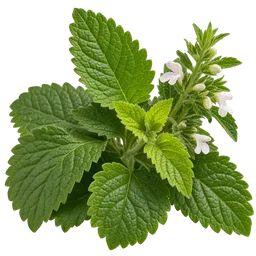
Lemon balm shows a large effect on everyday anxiety and stress, with a promising sleep signal, but the evidence needs confirmation before strong conclusions.
What it does
Worth watching
-
Fewer anxiety symptoms · May help a lot
Anxiety symptoms can make ordinary demands feel harder to face and disrupt a sense of ease.
4 trials · 199 people · noticed in 2–12 weeks
-
Feel less daily stress · May help a lot
Feeling less strained by everyday demands, calmer, and better able to cope.
1 trial · 100 people · noticed in 3 weeks
Early findings (3)
-
Better sleep quality · May help a little
3 trials · 174 people · noticed in 2–13 weeks
-
Staying asleep through the night · Unclear if it helps
1 trial · 30 people · noticed in 2 weeks
-
More hours of sleep · Unclear if it helps
1 trial · 30 people · noticed in 2 weeks
How to take it
Lemon balm makes the most sense for an adult who wants to test a standardized extract for everyday tension or stress, with sleep quality as a secondary possible benefit. The anxiety signal is interesting but still needs larger confirmation, and the evidence does not establish it as a reliable fix for insomnia. Skip casual self-experimenting if you use blood-pressure medicines, receive cancer treatment, or have ongoing symptoms that need medical assessment.
How much
For anxiety, the most useful early trial range is 400 to 700 mg/day of oral lemon balm extract, tested for roughly two to 12 weeks.1 A separate daily-stress protocol used 300 mg/day for three weeks, while sleep-focused protocols generally fell between 400 and 700 mg/day.1 These are promising research ranges, not a reason to chase higher doses when the evidence remains preliminary.
When
Use lemon balm daily during a planned trial, since the studies tracked changes over weeks rather than occasional, as-needed use.1 For a sleep goal, an evening dose is the practical fit, while people testing it for daytime tension can use the product schedule on the label. Research does not yet establish a clear advantage for taking it with food, without food, in one dose, or split across the day.1
Which form
Look for a clearly labeled Melissa officinalis extract with a stated dose, rather than relying on a tea bag to deliver a research-like amount. Cyracos, a standardized lemon balm extract used in an anxiety and sleep study, specified rosmarinic acid and total hydroxycinnamic acids, which gives you a more meaningful label benchmark than the words "lemon balm" alone.1 The acute mood study also used a measured oral preparation, reinforcing that extract identity matters.2
The dose that worked, by measure (4)
- Ease anxiety symptoms
- 550 mg2–12 weeks
- Sleep more soundly
- 400 mg2–12 weeks
- Handle daily demands with less stress
- 0.3 g3 weeks
- Sleep more easily through the night
- 400 mg2 weeks
Who should be careful
Medicines it can clash with
- doxorubicin moderate
- antihypertensives moderate
Reported side effects
- liver and kidney histopathology (animal study) moderate
- gastrointestinal discomfort (poor digestion / abdominal bloating) moderate
- nausea mild
- headache mild
- anxiety mild
- dizziness mild
- dry mouth mild
- decreased appetite mild
Bottles worth buying
Dosed where the research is, in a clean formula, from audited brands. Not sponsored.
-

Cyracos Lemon Balm Extract 60 Grams
Nootropics Depot · 600 mg a day · brand audit 87
-

Cyracos Capsules 600 mg
Nootropics Depot · 600 mg a day · brand audit 87
-

Lemon Balm 475 mg
Solaray · 475 mg a day · brand audit 76
-

Ex-Stress 890 mg
Nature's Way · 890 mg a day · brand audit 72
-

Natural Stress Relief
Life Extension · 600 mg a day · brand audit 90
-

Lemon Balm Extract
BulkSupplements.com · 1,000 mg a day · brand audit 54
How it works
Lemon balm has a surprising résumé: this lemon-scented herb shows an early, unusually strong signal for taking the edge off everyday anxiety and stress.1
Lemon balm contains rosmarinic acid and related compounds that appear to slow the cleanup of GABA, a brain messenger that works like a brake pedal on overactive nerve signaling.2 That gives the calming theory a biological target, although the clinical trials show feelings and sleep outcomes, not a direct measurement of that brain process in each participant.1,2