Inositol
30 studies read · 5 answers · 4 sources
Inositol offers a likely benefit for people with PCOS, with the strongest evidence supporting more regular ovulation and improved insulin response rather than broad benefits across every outcome.
What it does
Strong benefits
-
Lower gestational diabetes risk · Probably helps a lot
Gestational diabetes is high blood sugar that starts during pregnancy and can affect the health of both parent and baby.
2 trials · at least 1,682 people · 2 reviews · noticed in 12–16 weeks
Modest benefits
-
Better blood sugar control · Probably helps a little
Blood sugar is the body’s main fuel, and keeping it in a healthy range matters for daily energy and long-term health.
4 trials · at least 787 people · 6 reviews · noticed in 6–26 weeks
-
Better fertility treatment results · Probably helps a little
Fertility treatment covers how the ovaries respond, how embryos develop, and whether pregnancy ends in a healthy birth.
1 review of 6 trials · 786 people · noticed in 8 weeks
Early findings (2)
-
More ovulation in PCOS · May help a lot
1 review of 2 trials · 64 people · noticed in 7–14 weeks
-
More cycle regularity · May help a lot
1 review of 2 trials · 118 people
How to take it
Inositol is a sensible option to discuss with a clinician if you have PCOS and want support for ovulation or insulin response. The pregnancy finding is promising but modest, and it needs prenatal supervision. Skip the assumption that more is better, especially if you use glucose-lowering medication or develop bothersome digestive symptoms.1,2
How much
For PCOS-related ovulation and insulin response, oral protocols span 600 to 4,000 mg daily, with many effective protocols clustering around roughly 1,600 to 2,000 mg daily.1,4 Pregnancy studies that assessed gestational diabetes risk often used 4,000 mg daily. Blood sugar changes themselves tend to be small, so do not expect inositol to create dramatic glucose shifts on its own.2
When
Consistency matters more than chasing a particular hour. PCOS and metabolic trials use daily supplementation for weeks, with ovulation outcomes assessed around 7 to 10 weeks and insulin outcomes commonly assessed from 8 weeks onward.1,4 If your product calls for divided servings, tie them to repeatable daily habits such as meals. During pregnancy, use only the schedule your prenatal clinician approves.2
Which form
Myo-inositol has the clearest clinical track record for PCOS and pregnancy-related research.1,2 Look for a label that states the exact myo-inositol amount per daily serving, rather than relying on a proprietary blend. Products that add D-chiro-inositol are common, but the evidence does not establish one universal blend as best for everyone with PCOS.1,3
The dose that worked, by measure (6)
- Lower your fasting blood sugar
- 2,300 mg8–26 weeks
- Lower gestational diabetes risk
- 4,000 mg12–14 weeks
- Help cells use insulin better
- 1,750 mg8–26 weeks
- Use less insulin at rest
- 1,750 mg8–26 weeks
- Support more regular ovulation with PCOS
- 1,600 mg7–10 weeks
- Make menstrual cycles more predictable
- 2,300 mg
Who should be careful
Medicines it can clash with
- metformin moderate
Reported side effects
- Grade 3 adverse events (various: dyspnea, dizziness, pain, arthralgia, cataracts reported in myo-inositol arm) severe
- gastrointestinal side effects (nonspecific) mild
- nausea mild
- diarrhoea mild
- flatulence mild
- headache mild
- bloating mild
- fever mild
Bottles worth buying
Dosed where the research is, in a clean formula, from audited brands. Not sponsored.
-

100% Pure Inositol 500 Milligrams
NutraBio · 500 mg a day · brand audit 90
-

Inositol Powder
NOW · 730 mg a day · brand audit 87
-

Inositol Powder
Designs for Health · 700 mg a day · brand audit 80
-

Inositol Powder
Solaray · 700 mg a day · brand audit 76
-

Inositol 1000 mg
Double Wood Supplements · 1,000 mg a day · brand audit 75
-

Inositol Powder
Country Life · 1,100 mg a day · brand audit 74
How it works
For people with PCOS, inositol stands out because it targets a frustrating root issue: the insulin signaling glitches that can throw ovulation off schedule.1
Inositol is a naturally occurring sugar-like compound that your body makes and that also appears in foods such as beans, fruit, grains, and nuts. It is often called vitamin B8, though it is not officially a vitamin. Supplements usually feature myo-inositol, sometimes paired with its related form, D-chiro-inositol.1,3
Studied alongside
-
Vitamin B9 / Folate
52 measures studied together
-
Drug:Metformin
26 measures studied together
-
Vitamin D
11 measures studied together
-
Vitamin B2
11 measures studied together
-
Vitamin B6
11 measures studied together
-
Vitamin B12
11 measures studied together
-

Zinc
11 measures studied together
-
Lactobacillus rhamnosus
11 measures studied together
-
Bifidobacteriumanimalis Species
11 measures studied together
-
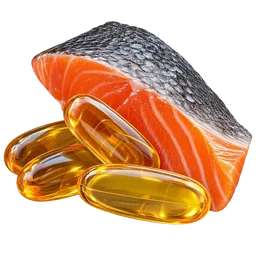
Fatty acids
11 measures studied together
-
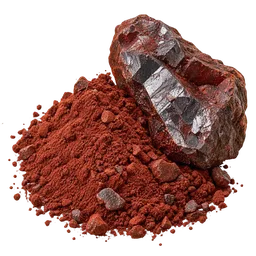
Iron
11 measures studied together
-
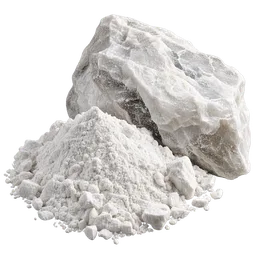
Calcium
11 measures studied together
-
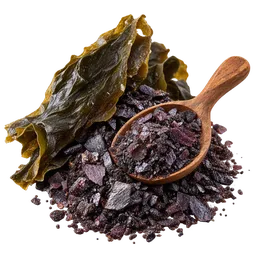
Iodine
11 measures studied together
-
Carotene
11 measures studied together
-
Vitamin
11 measures studied together
-
Lactalbumin
8 measures studied together
Common questions
What does inositol do for PCOS?
How long does inositol take to work for PCOS?
Does inositol prevent gestational diabetes?
What is the difference between myo-inositol and D-chiro-inositol?
Sources
- 1. Myo-inositol and D-chiro-inositol in polycystic ovary syndrome: a systematic review and meta-analysis (2024)
- 2. Myo-inositol supplementation and onset of gestational diabetes mellitus in pregnant women with a family history of type 2 diabetes: a prospective, randomized, placebo-controlled study (2015)
- 3. Inositol phosphates and cell signalling (2003)
- 4. Effects of myo-inositol on ovarian function and metabolic factors in women with PCOS: a randomized double-blind placebo-controlled trial (2008)