New Alpha-Lipoic Acid (ALA) Published Apr 21, 2026
From Liver Scraps to Nerve Endings: The Surprising, Complicated Journey of Alpha-Lipoic Acid
Nerve pain relief for diabetic neuropathy, antioxidant protection, and support for glucose handling
Evidence summary
Alpha-lipoic acid reduces neuropathy symptoms in people with diabetic peripheral neuropathy in the short term, especially at 600 mg/day intravenously for three weeks, but longer oral treatment has not delivered durable nerve benefit.
- Across RCT meta-analyses, alpha-lipoic acid improved diabetic neuropathy symptom scores short term, especially with 600 mg/day IV for three weeks.4
- Evidence centers on diabetic peripheral neuropathy, using oral and intravenous doses around 600 mg/day.
- A 2024 Cochrane review found little or no symptom benefit at six months or later.
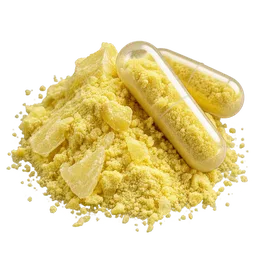
A molecule once scraped from mountains of animal liver now sits in a small amber bottle on your counter. It's hailed as a "universal antioxidant," studied in diabetics' nerves, and even trialed in multiple sclerosis. And yet, in a twist worthy of a detective novel, this antioxidant has, on rare occasions, triggered dangerous bouts of hypoglycemia. What is alpha-lipoic acid really good for—and where does the evidence draw the line?
A yellow crystal with a long memory
In the early 1950s, biochemists Lester Reed and Irwin Gunsalus finally teased a mysterious "pyruvate-oxidation factor" out of bovine liver and named it α-lipoic acid. It turned out to be a tiny sulfur-bearing helper that clips onto enzymes in your cells' power stations, letting you food into energy more cleanly. That discovery—first reported in the Journal of the American Chemical Society—set ALA on a path from obscure cofactor to modern medicine cabinet. 17 By the 1990s, antioxidant pioneer Lester Packer was calling ALA a linchpin in the body's defense network because it can work in watery interiors and fatty membranes and can help "recycle" other antioxidants. As he put it then, ALA proved to be a missing link—absorbed by mouth and rapidly converted into an even stronger form inside cells. 3
The neuropathy puzzle: quick relief vs. long horizons
If you have diabetes, you may know the slow burn of peripheral neuropathy—pain, tingling, numbness. Researchers followed a trail of oxidative stress and faltering microcirculation to test ALA. Short, intensive treatments—especially intravenous ALA at 600 mg daily for three weeks—reliably eased symptom scores in randomized trials. Think of ALA here as a firefighter's foam, quieting the "sparks" in irritated nerves and improving blood flow; meta-analyses confirmed meaningful reductions in symptom composites during those brief courses. 47 But what about staying better months or years later? A landmark, four-year trial (NATHAN 1) gave 600 mg orally each day to people with mild-to-moderate diabetic neuropathy. The primary "heavy" outcome—a composite of clinical exam and seven nerve tests—did not improve versus placebo. Yet the simpler impairment scores (NIS and NIS-LL) favored ALA, meaning more patients showed small clinical improvements and fewer worsened. In plain terms: the fire didn't spread as predicted in the placebo group, so proving prevention was hard; still, some functions looked steadier with ALA. 6 The newest high-bar assessment reset expectations. A 2024 Cochrane Review focusing on six-month-and-beyond trials concluded ALA likely has little or no effect on neuropathy symptoms at that time horizon and may have little or no effect on impairment. Short-term IV benefits remain plausible; long-term oral disease-modifying effects look limited based on current evidence. 5
When an antioxidant misbehaves
Here's the paradox. While ALA often helps glucose handling and calms oxidative sparks, a handful of case reports describe insulin autoimmune syndrome (IAS)—sudden hypoglycemia due to antibodies against your own insulin—appearing after starting ALA. The first reports emerged in Japan in patients carrying a susceptible HLA type; symptoms resolved after stopping ALA. Later, six European Caucasians developed the same syndrome—most carried a related HLA variant—and improved after discontinuation. These cases are rare, but they remind us that a molecule built to shuttle electrons can, in unusual immune settings, tip the system the wrong way. 98
An unexpected detour: multiple sclerosis
Another thread leads far from blood sugar. In secondary progressive multiple sclerosis (SPMS), the brain slowly loses volume—an MRI fingerprint of neurodegeneration. A two-year, double-blind pilot trial found 1,200 mg/day of ALA significantly slowed whole-brain atrophy versus placebo and hinted at better walking speed; GI upset was more common, and two renal events occurred in the ALA group. It's a small study, not definitive—but the signal was strong enough to launch larger trials. As lead investigator Rebecca Spain, MD, cautioned, "These are high doses.. we won't know whether it actually improves the lives of people with MS until we can replicate the results in a much bigger clinical trial." 1415
Weight, kidneys, and the quieter story
Outside of nerves, a meta-analysis across randomized trials found ALA produced a small but statistically significant short-term weight loss (about 1.3 kg on average) and tiny BMI reductions—modest effects that won't replace lifestyle change. In chronic kidney disease, a 2024 meta-analysis suggests ALA can slightly lower hs-CRP and LDL cholesterol without affecting many other markers. These are supporting roles, not starring ones. 1011
How it actually works (without the jargon)
Picture a tiny flexible arm clasping and unclasping inside your mitochondria, handing off fuel fragments so they're cleanly burned. That arm is ALA, and when it's not on enzyme duty, its oxidized/reduced pair (ALA and dihydrolipoic acid) acts like a shuttle service for spare electrons—tamping down excess "sparks," helping regenerate vitamin C and E, and easing traffic jams in glucose uptake. This dual identity—enzyme helper and roaming electrician—is why it can matter in stressed nerves, brain, and blood vessels. 3
Using it wisely
Dose and timing used most in studies: 600 mg/day. For neuropathy, short IV courses (not available in the U.S.) produced the clearest symptom relief; oral courses are typically tested for 3–6 weeks initially. 74
Absorption is better on an empty stomach—about 30% lower peak levels with food—so take ALA 30 minutes before a meal or 2 hours after. 12
Form: most human trials use the racemic mixture (R,S-ALA). R-ALA may be better absorbed but is less studied clinically. 12
Expectations: short-term symptom easing is possible; long-term disease modification in diabetic neuropathy is uncertain based on current evidence. 56
Safety notes that actually matter
Hypoglycemia: Rare IAS cases occurred after starting ALA—more commonly in people with certain HLA types. Stop ALA and seek care if you develop unexplained shakiness, confusion, or fainting. 98
Blood sugar meds: ALA can modestly enhance insulin sensitivity; monitor glucose more closely when you start. 6
Minerals and B-vitamins: ALA is a metal chelator; long-term high doses may nudge mineral status. Ensure adequate thiamine, and space ALA at least two hours from mineral supplements. 13
The take-home
Alpha-lipoic acid isn't a magic key. It's a versatile tool: a proven mitochondrial co-helper, a short-term nerve soother (especially IV), a promising if unproven neuroprotective in MS, and a modest ally for weight management and inflammation in specific settings. Its story—beginning with crystals teased from liver and advancing through modern trials—shows how biology resists simple labels. Use ALA like a good instrument: tuned to the right dose, timed for absorption, and played for the right piece of music. 15614
Key takeaways
What to walk away with
- 01
ALA is a sulfur-bearing cofactor discovered in the 1950s that participates in energy metabolism and can recycle other antioxidants.
- 02
Clinical signal is strongest for short-term neuropathy relief, especially 600 mg/day IV for 3 weeks; oral results are modest and mixed.
- 03
A 2024 Cochrane Review reports ALA likely has little or no effect on neuropathy symptoms at 6+ months and may have little or no effect on impairment.
- 04
Common oral dose is 600 mg/day; reassess after 3–6 weeks. Take on an empty stomach to improve absorption; food blunts exposure.
- 05
Potential beneficiaries: those with painful diabetic neuropathy seeking short trial; select, clinician-supervised MS contexts; modest metabolic/inflammatory goals.
- 06
Cautions: monitor glucose (insulin sensitivity may increase); rare insulin autoimmune syndrome and unexplained hypoglycemia warrant stopping; space from minerals and ensure adequate thiamine at higher doses; IV not available in the U.S.
Effect timeline
When to expect what
- Immediate
- No; IV trials show symptom relief within ~2–3 weeks.
- Peak
- 3–4 weeks for neuropathy symptom relief; ≥6–12 months for neuroprotection signals (exploratory).
- Duration needed
- At least 3–6 weeks for an initial trial; longer if benefits persist and safety is monitored.
- Wears off
- Often within a few weeks after stopping for symptom relief; long-term disease effects uncertain.
Research trajectory
What the studies actually show
-
Short-term ALA—especially 600 mg/day IV for three weeks—reduces diabetic neuropathy symptom scores versus placebo. 4
Pooled randomized trials (ALADIN, SYDNEY, others) formed early meta-analyses showing clinically meaningful short-term relief.
Supports considering time-limited ALA trials for symptomatic relief, where available.
-
Four years of 600 mg/day oral ALA in diabetic neuropathy did not improve the primary composite endpoint but improved simpler clinical impairment scores and reduced progression. 6
NATHAN 1, the longest RCT in DSPN, struggled because placebo patients didn't worsen as expected, blunting the composite.
Hints at modest clinical benefits but tempers disease-modifying claims.
-
A 2024 Cochrane Review found ALA likely has little or no effect on neuropathy symptoms at ≥6 months and may have little or no effect on impairment. 5
Focused on long-term, higher-quality trials; attrition bias was common but conclusions were cautious.
Resets expectations for chronic oral use.
-
In a two-year pilot RCT in secondary progressive MS, 1,200 mg/day ALA significantly slowed whole-brain atrophy and trended toward better walking speed. 14
Single-center Class I evidence with small N; GI side effects more common; two serious renal events noted.
Raises hopeful questions about neuroprotection pending larger trials.
-
Across 10 randomized trials, ALA produced small, statistically significant short-term weight loss and BMI reductions versus placebo. 10
Meta-analysis showed ~1.3 kg average advantage; dose didn't explain differences; duration mattered.
Positions ALA as a modest adjunct, not a standalone weight therapy.
Human trials
What real trials found
-
75-year-old woman developed recurrent hypoglycemia with very high insulin and insulin autoantibodies shortly after starting ALA; symptoms resolved after stopping. 9
- Outcome
- Discontinuation led to disappearance of hypoglycemia; HLA-DRB1*04:06 identified.
- Why it matters
- Illustrates rare but serious IAS paradox with ALA.
- Source
- Diabetes Care case report/letter (Japan).
-
Six Caucasian patients presented with spontaneous hypoglycemia and insulin autoantibodies while taking 600 mg/day ALA; stopping ALA reduced episodes; HLA-DRB1*04:03 common. 8
- Outcome
- Symptoms improved after discontinuation ± steroids.
- Why it matters
- Shows IAS can occur beyond East Asian populations and links genetic susceptibility.
- Source
- Endocrine (2013) case series.
Expert insights
Voices in the field
Alpha-lipoic acid proved to be the missing link—absorbed orally and rapidly converted to its most potent form. 3
These are high doses...we won't know whether it actually improves the lives of people with MS until we can replicate the results in a much bigger clinical trial. 15
Practical guidance
Putting it to use
Who may benefit
People with painful diabetic neuropathy seeking a time-limited trial for symptom relief; individuals in clinician-supervised programs for progressive MS exploring adjunctive options; those targeting small metabolic or inflammatory improvements alongside lifestyle care.
Who should avoid
Those with prior insulin autoimmune syndrome or strong predisposition (e.g., HLA-DRB1*04:06/04:03 carriers if known) or with recurrent unexplained hypoglycemia.
Dosing
Common study dose is 600 mg/day; IV 600 mg/day × 3 weeks showed the clearest neuropathy symptom relief (not available in the U.S.); oral trials often run 3–6 weeks before reassessing.
Timing
Take ALA on an empty stomach—about 30 minutes before or 2 hours after meals—to boost absorption; food lowers peak and total exposure.
Quality
Most human trials used racemic ALA; R-ALA may reach higher plasma levels but has fewer clinical trials. Use third-party–tested products.
Cautions
Monitor glucose when starting (can enhance insulin sensitivity). Rare insulin autoimmune syndrome has occurred—stop and seek care for unexplained hypoglycemia. Space dosing from mineral supplements; ensure adequate thiamine when using higher doses.
A closing thought
ALA's story is a reminder that biology loves context: the same electron shuttle that steadies a nerve can, rarely, unsettle the immune system. The wisest use of supplements lives in that tension—curiosity tempered by evidence, and enthusiasm matched to the right dose, timing, and person.
Frequently asked
Common questions
What dose should I start with, and how long before I reassess?
Should ALA be taken with food or on an empty stomach?
Does ALA help diabetic neuropathy long term?
Is IV ALA an option if symptoms are severe?
Who is a good candidate for an ALA trial?
What safety precautions should I know about?
Related
More on this supplement
Pulled from across the site — rankings, comparisons, combinations, and reviews where this supplement shows up.
Ingredient evidence
Ingredient evidence
NewAlpha Lipoic Acid
All scored outcomes
Aug 27, 2026
Ranking
Peripheral Neuropathy
NewBest Supplements to Ease Neuropathy Pain and Numbness (2026)
Evidence ranking
Apr 4, 2026
Ranking
Healthy Brain Aging
NewBest Supplements to Protect Brain Tissue as You Age (2026)
Evidence ranking
May 18, 2026
Evidence map
Peripheral Neuropathy
NewPeripheral Neuropathy: evidence map across 8 supplements
Evidence coverage map
Jul 30, 2026
Evidence map
Metabolic health
NewMetabolic health: evidence map across 82 supplements
Evidence coverage map
Jul 30, 2026
Sources
- 1. Isolation, Characterization and Structure of α-Lipoic Acid (1953)
- 3. A relatively unknown antioxidant, alpha-lipoic acid, may be more potent than vitamins C and E (1996)
- 4. Alpha Lipoic Acid for Symptomatic Peripheral Neuropathy in Patients with Diabetes: A Meta-Analysis of RCTs (2012)
- 5. Cochrane Review 2024: Alpha-lipoic acid for diabetic peripheral neuropathy (2024)
- 6. Efficacy and Safety of Antioxidant Treatment With α-Lipoic Acid Over 4 Years in Diabetic Polyneuropathy (NATHAN 1) (2011)
- 7. Guideline of the German Society of Neurology: Non-interventional therapy of neuropathic pain (2020)
- 8. Insulin autoimmune syndrome in European Caucasians taking α-lipoic acid (2013)
- 9. Lipoic Acid and Insulin Autoimmune Syndrome (case report) (2007)
- 10. Alpha-lipoic acid as a supplementation for weight loss: meta-analysis of randomized controlled trials (2017)
- 11. ALA supplementation in chronic kidney disease: systematic review and meta-analysis (2024)
- 12. Linus Pauling Institute: Lipoic Acid (2023)
- 14. Lipoic acid in secondary progressive MS: randomized controlled pilot trial (2017)
- 15. OHSU News: Patients with multiple sclerosis may benefit from over-the-counter therapy (2017)
- 13. Botanicals and Dietary Supplements in Diabetic Peripheral Neuropathy (2003)
1,120 words · 14 sources · Alpha-Lipoic Acid (ALA)