New Garlic Published Apr 26, 2026
The Stinking Rose, Reimagined: From Pyramid Rations to a Blood-Pressure Whisperer
Gentle blood pressure lowering, mild cholesterol reduction, heart health support
Evidence summary
Aged garlic extract lowers blood pressure in adults with hypertension, with the clearest effect in treated but uncontrolled patients on medication.
- In one randomized trial (n=50), aged garlic extract lowered systolic blood pressure by about 10 mmHg over 12 weeks.2
- Garlic evidence is strongest for higher-risk adults with hypertension, using aged extract in 12-week trials.
- Only one acceptable trial supports fewer self-reported colds, and prevention claims remain insufficient.
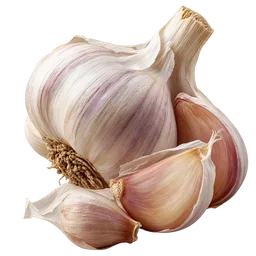
The story begins in two rooms. In one, sunlight slants across limestone as Egyptian workers chew pungent cloves before hauling stones—garlic as fuel for the human engine. In the other, a quiet clinic room hums as a cuff tightens around a patient's arm; a capsule of aged garlic goes down with water, and numbers on a screen start to tell a subtler story.
What ancient cooks intuited—and labs now test
Ancient medical writings from Egypt, Greece, India, and China praised garlic for strength and stamina; Hippocrates himself kept it in his therapeutic kit. Today, the U.S. National Center for Complementary and Integrative Health strikes a measured note: garlic may modestly lower LDL cholesterol and blood pressure, but effects are small and take time. Safety is generally good, with a specific caution about bleeding risk. 1
"Medical texts from China, India, Egypt, Greece and Italy mention medical applications of garlic.. Hippocrates.. used garlic as an essential component of one of his therapies." —Richard Rivlin, Weill Cornell Medicine. 13
A quiet lowering of pressure
In modern randomized trials, a particular form—aged garlic extract—keeps showing up. In patients whose blood pressure stayed high despite medication, 12 weeks of aged garlic extract led to an average 10 mmHg drop in systolic pressure versus placebo. 2 A follow-up dose-response study found ~12 mmHg systolic reduction with two capsules daily, again over 12 weeks. 3 In another controlled trial, aged garlic shaved 5 mmHg off average systolic pressure, with some "responders" seeing double-digit improvements and better measures of artery "springiness." 5 A broader view confirms the pattern. A 2020 review tied garlic supplementation to average reductions of about 8 mmHg systolic and 6 mmHg diastolic in hypertensive people, comparable to a first-line drug for some. It also noted improvements in central blood pressure and arterial stiffness—how well the arteries cushion each heartbeat—and even shifts in the gut microbes that live alongside us. 5
"Aged garlic extract is effective in reducing blood pressure.. and has the potential to improve arterial stiffness, inflammation, and gut microbial profile." —A/Prof Karin Ried, lead investigator of the GarGIC trial. 412
The newest syntheses keep the message tempered: across 108 randomized trials, garlic meaningfully nudged key cardiometabolic markers—blood pressure, LDL, triglycerides, inflammatory and oxidative stress markers—most clearly in people starting with higher risk. Effects were modest, not miraculous. 6 Specifically for aged garlic, a 2024 meta-analysis found small but significant reductions in systolic pressure and LDL. 7
Why would a kitchen bulb relax arteries?
When you slice a clove, two separate compartments meet: an enzyme and a precursor. They lock together and quickly form allicin, the fleeting spark that gives garlic its bite. From there, a family of sulfur compounds fans out. In plain terms, they help the lining of blood vessels make more of its natural "relax" signal, reduce the stickiness of platelets, and soothe low-level inflammatory chatter—each a tiny of the dial toward easier flow. Crush, wait, then cook briefly, and you preserve more of those sparks; heating first snuffs the enzyme. Letting chopped garlic sit about 10 minutes before the pan is a surprisingly powerful trick. 9
The gut-heart corridor
In a 12-week randomized trial, people with uncontrolled hypertension taking aged garlic didn't just lower their blood pressure; stool tests showed richer microbial diversity, with more Lactobacillus and Clostridia—microbes linked to calmer inflammation. Their central blood pressure and arterial stiffness improved too. 4 That gut shift has become a fresh plotline in garlic research: an old ingredient nudging a new frontier. 5
Cholesterol: a nudge, not a knockout
Garlic's effects on lipids have swung between hopeful and inconsistent. The latest large meta-analysis suggests small but statistically significant drops in total cholesterol and LDL, slight HDL bumps, and lower triglycerides—again, clearest in people whose numbers were high to begin with. 6 A recent meta-analysis focused on dyslipidemia found LDL reductions around 0.44 mmol/L, with older adults seeing more benefit. 14 Some trials of black or aged garlic show diastolic pressure improvements without big cholesterol shifts over six weeks—another reminder that form, dose, and time matter. 15
The cold truth
Garlic is marketed as an immune booster, yet when Cochrane reviewers hunted for prevention evidence, only one acceptable trial surfaced: fewer self-reported colds in the garlic group over 12 weeks—but too little data to draw firm conclusions. Honesty is part of the story here. 8
A real-world cautionary tale
Because garlic can make platelets less sticky, it sometimes tips the balance toward bleeding. A 65-year-old man taking garlic extracts had unexpected postoperative bleeding after a routine prostate procedure; the authors implicated the supplement. 10 In healthy volunteers, higher-dose garlic reduced platelet aggregation and lengthened bleeding time; it's not aspirin, but the direction is the same. 11 For surgeries and blood thinners, disclosure matters. 1
Bringing the lab to the kitchen—and your routine
If your goal is blood pressure, studies most often used aged garlic extract providing about 1–2 mg/day of S-allyl-cysteine for 8–12 weeks, sometimes alongside standard meds. 235 Expect weeks, not days, before numbers drift. For cooking, think of alliinase as garlic's tiny factory: chop or crush, pause ten minutes, then kiss it with heat. 9 If lipids are the target, the best evidence still calls the effect modest and gradual. 16 Garlic is not a cape and it isn't a cure. But in a life built of small, steady choices, it can be a collaborator: a plant that traveled from pyramid rations to placebo-controlled trials, offering a little more ease to our arteries—and a lot more flavor to our days. 1246
Key takeaways
What to walk away with
- 01
Evidence centers on aged garlic extract, which in trials lowered systolic blood pressure by roughly 5–10 mmHg over 12 weeks in uncontrolled hypertension.
- 02
Effects are modest and gradual; think adjunct to diet, exercise, and medications—not a replacement.
- 03
Practical dosing used in studies: about 960–1,200 mg aged garlic extract daily, providing roughly 1–2 mg of S-allyl-cysteine.
- 04
Take supplements consistently with meals; in cooking, crush/mince and rest ~10 minutes before brief heat to let allicin form.
- 05
Garlic may mildly improve LDL, triglycerides, and arterial stiffness, with signals toward better gut microbial richness in hypertensives.
- 06
Safety is generally good, but high doses can lengthen bleeding time—tell clinicians before procedures or if using anticoagulant/antiplatelet drugs.
Effect timeline
When to expect what
- Immediate
- No (clinical benefits accrue over weeks)
- Peak
- 6-12 weeks
- Duration needed
- 8-12 weeks minimum; continue for ongoing benefit
- Wears off
- Gradually over weeks after stopping
Research trajectory
What the studies actually show
-
Aged garlic extract lowered systolic blood pressure by ~10 mmHg over 12 weeks in patients with uncontrolled hypertension on medication. 2
Double-blind RCT in general practice; capsules totaling 960 mg/day (2.4 mg S-allyl-cysteine).
Clinically meaningful adjunct effect for resistant hypertension.
-
Across 108 RCTs, garlic modestly improved blood pressure, LDL, triglycerides, inflammatory markers, and oxidative stress, especially in higher-risk adults. 6
Comprehensive 2025 meta-analysis pooling 7,137 participants.
Evidence favors small, multi-marker cardiometabolic benefits; not a replacement for therapy.
-
Garlic's benefit may extend to the gut: a 12-week RCT showed increased microbial richness (notably Lactobacillus and Clostridia) alongside improved central blood pressure and arterial stiffness. 4
GarGIC randomized trial in uncontrolled hypertensives.
Suggests a gut-heart pathway where garlic supports vascular health via microbiome shifts.
-
Only one acceptable trial supports fewer self-reported colds with garlic; evidence remains insufficient for prevention claims. 8
Cochrane review found one 12-week allicin-containing trial meeting criteria.
Tempers popular immune claims with rigorous appraisal.
Human trials
What real trials found
-
Unexpected postoperative bleeding in a 65-year-old man on long-term garlic extract after minimally invasive prostate surgery; clinicians attributed bleeding to antiplatelet effects of garlic. 10
- Outcome
- Bleeding required additional hemostasis; highlights perioperative risk disclosure.
- Why it matters
- Concrete caution about garlic's platelet effects and surgery timing.
- Source
- Urology case report (2023)
-
Primary care patients with treated but uncontrolled hypertension took aged garlic extract for 12 weeks. 2
- Outcome
- ~10 mmHg greater systolic BP reduction vs placebo in the uncontrolled subgroup; high tolerability.
- Why it matters
- Real-world adjunct use with standard meds.
- Source
- Randomized controlled trial (2010)
Expert insights
Voices in the field
Kyolic aged garlic extract is effective in reducing blood pressure in patients with uncontrolled hypertension, and has the potential to improve arterial stiffness, inflammation, and gut microbial profile. 12
Medical texts from China, India, Egypt, Greece and Italy mention medical applications of garlic... Hippocrates... used garlic as an essential component of one of his therapies. 13
Practical guidance
Putting it to use
Who may benefit
Adults with elevated blood pressure or unfavorable lipids looking for an adjunct to diet, exercise, and prescribed therapy—not a replacement.
Who should avoid
People with bleeding disorders or scheduled for surgery; discuss with your clinician if you're on blood thinners or have a history of troublesome bruising/bleeding.
Dosing
Trials that moved the needle on blood pressure typically used aged garlic extract for 8–12 weeks, providing about 1–2 mg/day of S-allyl-cysteine (e.g., 960–1,200 mg extract/day). Expect small, steady changes rather than dramatic drops.
Timing
Take supplements consistently with meals. In the kitchen, crush or mince, wait ~10 minutes, then cook briefly—letting the enzyme 'factory' build allicin before heat shuts it down.
Quality
Look for standardized aged garlic extracts listing S-allyl-cysteine content; these have been most studied. Fresh garlic is fine for cuisine; 'aged' or 'black' forms tame odor and stabilize sulfur compounds.
Cautions
Tell clinicians about garlic supplements before procedures or if you use anticoagulants/antiplatelets; high-dose garlic can lengthen bleeding time.
A closing thought
Garlic's lesson is humility in health: progress built from small, consistent nudges. Crushed, rested, and cooked with care—or encapsulated and studied—it's less a miracle and more a good companion, turning daily routines into marginal gains that add up.
Frequently asked
Common questions
What dose of garlic is used for blood pressure?
How long until I see an effect?
Can garlic supplements replace my blood pressure medication?
Who should avoid or be cautious with garlic supplements?
Are fresh garlic and aged garlic extract interchangeable?
What side effects should I watch for?
Related
More on this supplement
Pulled from across the site — rankings, comparisons, combinations, and reviews where this supplement shows up.
Ingredient evidence
Ingredient evidence
NewGarlic
All scored outcomes
Aug 27, 2026
Ranking
Fatty Liver Disease
NewBest Supplements for Fatty Liver Disease (NAFLD), Ranked by Evidence
Evidence ranking
Apr 4, 2026
Systematic review
Systematic review
NewGarlic for Cardiovascular Health: A Systematic Evidence Review
GRADE evidence review
Jun 7, 2026
Evidence map
Metabolic health
NewMetabolic health: evidence map across 82 supplements
Evidence coverage map
Jul 30, 2026
Sources
- 1. Garlic: Usefulness and Safety | NCCIH (2020)
- 2. Aged garlic extract lowers blood pressure in patients with treated but uncontrolled hypertension: a randomized controlled trial (2010)
- 3. Aged garlic extract reduces blood pressure in hypertensives: a dose-response trial (2013)
- 4. The Effect of Kyolic Aged Garlic Extract on Gut Microbiota, Inflammation, and Cardiovascular Markers in Hypertensives: The GarGIC Trial (2018)
- 5. Garlic lowers blood pressure in hypertensive subjects, improves arterial stiffness and gut microbiota: A review and meta-analysis (2020)
- 6. Effects of Garlic Supplementation on Cardiovascular Risk Factors in Adults: A Comprehensive Updated Systematic Review and Meta-Analysis of RCTs (2025)
- 7. The Effect of Aged Garlic on Blood Pressure and Lipids: Dose-Response Grade-Assessed Systematic Review and Meta-Analysis of RCTs (2024)
- 8. Garlic for the common cold | Cochrane Review (2014)
- 9. Recipe for Healthy Garlic: Crush Before Cooking (ACS release) (2007)
- 10. Pronounced bleeding after minimally invasive urologic procedure in a patient on long-term garlic supplements: case report (2023)
- 11. Effect of the Garlic Pill in comparison with Plavix on platelet aggregation and bleeding time (2013)
- 12. Garlic 'remedy for hypertension' (trial news and quotes) (2010)
- 13. Ancient health remedy 'rediscovered' | Cornell Chronicle (2006)
- 14. Garlic consumption can reduce the risk of dyslipidemia: a meta-analysis of randomized controlled trials (2024)
- 15. Optimized aged black garlic extract: randomized crossover trial in moderate hypercholesterolemia (2022)
1,064 words · 15 sources · Garlic