New Ginkgo biloba Published Apr 28, 2026
The Living Fossil and the Modern Memory Pill: What Ginkgo Really Teaches Us
Modest dementia symptom relief, limited memory support, mild circulation improvement
Evidence summary
Ginkgo biloba does not prevent dementia, but standardized EGb 761 shows modest improvements in cognition and daily function for people already living with dementia.
- Across two large randomized trials, ginkgo failed to prevent dementia or Alzheimer’s disease 8.
- Standardized EGb 761, usually 240 mg/day, studied symptomatic treatment in people with dementia.
- Cochrane reviews found no convincing benefit when tinnitus is the primary complaint.
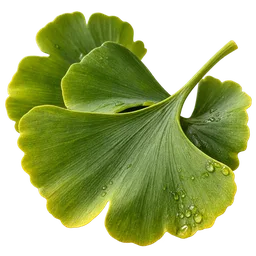
On a summer morning in Hiroshima, six battered ginkgo trees put out fresh buds from charred trunks—green against gray ruins. The species had already outlived dinosaurs; now it survived an atomic blast and became a symbol of resilience. Decades later, its fan-shaped leaves are powdered into capsules on pharmacy shelves, promising sharper memory. How did a tree that time forgot become a brain supplement—and what does the science actually say?4
A tree older than flowers—and the first Western eyewitness
Ginkgo's biography reads like myth. Western science met it in the 1690s, when Engelbert Kaempfer—company doctor, spy, and botanist—spied the tree in Japanese temple gardens and carried its story home. By 1762, a young ginkgo was planted at Kew, where it still stands, a survivor from the garden's earliest days. Charles Darwin would later call such species "living fossils." As Harvard botanist Peter Del Tredici likes to say, people looked up and realized, "My God! Ginkgo is a missing link—a living fossil," one that achieves "ecological immortality" by resprouting when life gets rough. That knack for endurance turned a temple sentinel into an urban street tree from London to Shanghai. 213
The modern promise—and the big, careful test
Somewhere between temple courtyards and American drugstores, ginkgo became a memory pill. The idea feels plausible: improve microcirculation, shield neurons from oxidative stress, steady overexcited signaling, and maybe the aging brain stays clearer. But when researchers ran the largest, longest, gold-standard test—the NIH-cofunded Ginkgo Evaluation of Memory (GEM) trial in 3,069 adults aged 72–96—ginkgo (120 mg twice daily) did not reduce dementia or Alzheimer's incidence versus placebo over a median 6.1 years. "If older patients are considering using ginkgo for preventing dementia," lead investigator Steven DeKosky advised, "I urge them to speak with their health care providers about the results." Subsequent GEM analyses also found no slowing of cognitive decline. A parallel French prevention trial (GuidAge) likewise showed no reduction in progression to Alzheimer's. 6578
Here's the paradox that confuses shoppers: prevention trials are negative, yet some treatment trials in people who already have dementia report modest benefits.
When the leaves help—and when they don't
Zoom in on symptomatic treatment. Several randomized trials of the standardized extract EGb 761 (usually 240 mg/day) found small improvements in cognition and, notably, in the behaviors that wear families down: apathy, anxiety, irritability, sleep disruption. Meta-analyses pooling these trials suggest statistically significant but moderate gains on cognitive tests and daily function; caregivers often notice the difference most in neuropsychiatric symptoms. Not all trials are positive and methods vary, but the signal is real enough to be seen across pooled data. 121011
What about other common reasons people reach for ginkgo?
Tinnitus: Updated Cochrane reviews conclude ginkgo doesn't help when ringing in the ears is the main complaint. 19
Intermittent claudication (painful calf cramps with walking): meta-analysis suggests a small boost in pain-free walking distance—on the order of a few dozen meters—of uncertain practical value. 20
Normal-tension glaucoma: one small cross-over trial found short-term visual field improvements; another randomized study didn't replicate the benefit, and a retrospective series suggested slower long-term deterioration. In short: intriguing, mixed, and not practice-changing. 1718
What's inside the leaf—and why it was standardized
Think of EGb 761 as a recipe rather than a raw plant: about 24% flavone glycosides (antioxidant "shields") and ~6% terpene lactones (ginkgolides and bilobalide), the latter acting like traffic officers for platelets and tiny vessels so blood elements are less likely to clump and micro-flow improves. Pharmaceutical-style standards (and very low ginkgolic acids) aim to make bottles behave more like each other—and like the products tested in trials. 21 A cautionary twist: because flavonoids are easy to spike, investigations have repeatedly found adulteration in commercial ginkgo products—rutin or quercetin added from cheaper plants to fake the numbers. Industry and pharmacopeias have responded with updated monographs and testing that flag adulteration, but the problem persists. If you use ginkgo, brand quality matters. 22
Safety is mostly good—but context matters
For most adults, standardized leaf extract is well tolerated; common side effects are mild (headache, stomach upset). Two safety notes deserve plain language:
Bleeding risk: Case reports (including intracranial and ocular bleeds) link ginkgo to bleeding, especially with anticoagulants or antiplatelet drugs. High-quality reviews disagree on how big the risk is, but authoritative U.S. guidance urges caution and clinician consultation if you take warfarin, DOACs, or daily aspirin. 151613
Interactions/dosing: Typical studied doses are 120–240 mg/day of standardized extract. Some resources note theoretical interactions (e.g., with efavirenz) and advise pausing before surgery. Work with your clinician if you have seizure disorders or are on multiple meds. 1413
How long until anything happens?
Don't expect overnight clarity. Trials that detected symptomatic benefits in dementia generally used 240 mg/day for 22–26 weeks. In healthy young adults, a few small studies show fleeting, hour-scale bumps in attention or memory after a single dose—but those effects don't persist with weeks of use. In glaucoma research, any short-term gains faded after washout. The theme: acute flickers are possible; meaningful symptomatic gains, if they occur, take months. 12232417
The lesson of the living fossil
Ginkgo's story is seductive: ancient endurance, bomb-scorched trees leafing out again, a tidy capsule promising mental resilience. Science complicates the tale. The tree endures; the supplement helps some symptoms for some people, doesn't prevent dementia, and requires careful attention to dose, quality, and context. Perhaps that's the real gift of the maidenhair leaf: not a miracle memory pill, but a reminder to match hopes to evidence—and to practice the same patient resilience the tree itself embodies. 4
Key takeaways
What to walk away with
- 01
A 'living fossil' with real but modest human data: ginkgo endures in nature, and its best-supported use is symptom relief in dementia—not prevention.
- 02
Large trials (GEM, GuidAge) show no dementia/Alzheimer's prevention, tempering the "memory pill" hype.
- 03
Meta-analyses of EGb 761 suggest small improvements in cognition and daily function at 240 mg/day, with stronger effects on neuropsychiatric symptoms.
- 04
Timing matters: small studies note acute attention/memory boosts within hours, but sustained benefits typically need 12–24 weeks; many trials ran ~6 months.
- 05
Use cases beyond memory are limited: tinnitus lacks convincing benefit; intermittent claudication may see slight walking gains; glaucoma findings remain mixed/experimental.
- 06
Safety first: discuss use if on blood thinners or antiplatelets, pause before surgery, use caution with seizure disorders or complex regimens, and avoid raw seeds (toxic).
Effect timeline
When to expect what
- Immediate
- Within hours (small, short-lived in some acute studies of healthy adults).
- Peak
- 12–24 weeks for dementia symptom outcomes at 240 mg/day.
- Duration needed
- At least 12–24 weeks; ongoing if symptomatic benefit persists.
- Wears off
- Often within weeks after stopping in crossover/washout studies.
Research trajectory
What the studies actually show
-
Ginkgo did not prevent dementia/Alzheimer's in large, long-term randomized trials (GEM; GuidAge). 8
Two well-powered, multi-year RCTs in older adults found no difference vs placebo.
Undercuts prevention marketing; reframes ginkgo as symptomatic at best.
-
Meta-analyses of EGb 761 show modest improvements in cognition and daily function in dementia, with stronger effects on neuropsychiatric symptoms at 240 mg/day. 11
Pooling several RCTs revealed small-to-moderate benefits; individual trials varied.
Supports targeted, time-bound trials of therapy in diagnosed patients.
-
Cochrane and later reviews find no convincing benefit for tinnitus when it's the primary complaint. 19
Multiple randomized trials with low risk of bias failed to show meaningful change.
Steers users away from a popular but unsupported indication.
Human trials
What real trials found
-
GEM prevention trial: 3,069 older adults took ginkgo 120 mg twice daily for a median 6.1 years; no reduction in dementia compared with placebo. 5
- Outcome
- No preventive effect; reinforced need for clinician guidance.
- Why it matters
- Shows why ginkgo should not be used to prevent dementia.
- Source
- NIH press release; JAMA trial report
-
33-year-old woman developed bilateral subdural hematomas after ~2 years of ginkgo 60 mg twice daily; bleeding times normalized after stopping. 16
- Outcome
- Temporal association raised concern for bleeding risk with ginkgo.
- Why it matters
- Illustrates supplement-specific safety consideration with antiplatelet effects.
- Source
- American Family Physician case series
-
Normal-tension glaucoma randomized cross-over: 27 patients received 40 mg three times daily for 4 weeks; short-term improvement in visual field indices; separate trial failed to replicate. 17
- Outcome
- Mixed results; potential microvascular/functional effects need confirmation.
- Why it matters
- Example of an unexpected, condition-specific application with conflicting data.
- Source
- Ophthalmology 2003 trial; IOVS 2013 trial
Expert insights
Voices in the field
"People realized, 'My God! Ginkgo is a missing link—a living fossil.' ... I call it ecological immortality." 3
"If older patients are considering using ginkgo for preventing dementia, I urge them to speak with their health care providers about the results of this study." 5
Practical guidance
Putting it to use
Who may benefit
Adults with diagnosed Alzheimer's/vascular/mixed dementia who have neuropsychiatric symptoms (apathy, anxiety, sleep disturbance) may see modest improvements at 240 mg/day; some with intermittent claudication may walk slightly farther; glaucoma findings are mixed and experimental.
Who should avoid
Those on warfarin/DOACs or chronic high-dose aspirin without medical supervision; people with a history of intracranial or retinal bleeding; individuals on efavirenz unless cleared by their clinician.
Dosing
Most positive dementia-symptom trials used 240 mg/day of standardized EGb 761 in divided or once-daily dosing for about 6 months.
Timing
Acute boosts in attention/memory can appear within hours in small studies of healthy adults, but sustained benefits—when they occur—usually take 12–24 weeks.
Quality
Choose products that disclose the exact extract (e.g., EGb 761), meet pharmacopeial limits (very low ginkgolic acids), and provide third-party testing—adulteration with rutin/quercetin is common.
Cautions
Discuss with a clinician if you take blood thinners or antiplatelets; pause before surgery; be cautious with seizure disorders or complex regimens; avoid raw seeds due to toxicity.
A closing thought
Ginkgo's power isn't magic—it's perspective. A tree that endures by resprouting teaches us to favor habits and treatments that compound slowly. In health, as in botany, resilience is rarely bottled; it is cultivated by evidence-guided choices over time.
Frequently asked
Common questions
Does ginkgo prevent dementia or Alzheimer's?
What dose and duration are typically used for dementia symptoms?
Who is most likely to benefit from ginkgo?
Does ginkgo help with tinnitus?
Are there any other potential uses supported by the narrative?
What safety cautions should I know about?
Related
More on this supplement
Pulled from across the site — rankings, comparisons, combinations, and reviews where this supplement shows up.
Ingredient evidence
Ingredient evidence
NewGinkgo
All scored outcomes
Aug 27, 2026
Ranking
Depression
NewBest Supplements for Depression, Ranked by Clinical Evidence
Evidence ranking
Apr 4, 2026
Ranking
Brain fog and mental clarity
NewBest Supplements for Brain Fog and Mental Clarity, Ranked by Evidence
Evidence ranking
Apr 4, 2026
Systematic review
Systematic review
NewGinkgo Biloba for Cognitive Impairment and Dementia: A Systematic Evidence Review
GRADE evidence review
Apr 8, 2026
Evidence map
Focus & memory
NewFocus & memory: evidence map across 45 supplements
Evidence coverage map
Jul 30, 2026
Sources
- 1. Ginkgo tree - Ginkgo biloba | Plants | Kew (2023)
- 2. An evolutionary and cultural biography of ginkgo (2019)
- 3. Peter Del Tredici of the Arnold Arboretum searches for the wild ginkgo (2011)
- 4. Hiroshima ginkgo tree seeds take root in Manchester (2014)
- 5. GEM Study Fails To Show Benefit in Preventing Dementia (NIH release) (2008)
- 6. Ginkgo biloba for prevention of dementia: randomized trial (JAMA) (2008)
- 7. Ginkgo for preventing cognitive decline in older adults (JAMA) (2009)
- 8. GuidAge trial: long-term ginkgo did not reduce Alzheimer's risk (2012)
- 9. Cochrane: no convincing evidence for dementia/cognitive impairment (2009)
- 10. Effects of Ginkgo in dementia: meta-analysis (2010)
- 11. EGb 761 in dementia: systematic review and meta-analysis (2014)
- 12. Once-daily EGb 761 in dementia with neuropsychiatric features (RCT) (2010)
- 13. NCCIH: Ginkgo—usefulness and safety (2024)
- 14. Ginkgo Biloba - StatPearls (2023)
- 15. Spontaneous bleeding with ginkgo: case report and review (2005)
- 16. Herbal Remedies: Adverse Effects and Drug Interactions (AAFP) (1999)
- 17. Ginkgo and visual fields in normal-tension glaucoma (cross-over RCT) (2003)
- 18. Ginkgo and visual fields/contrast sensitivity in NTG (RCT) (2013)
- 19. Cochrane 2022: Ginkgo for tinnitus (2022)
- 20. Ginkgo for intermittent claudication: meta-analysis (2000)
- 21. EGb 761 quality/specifications and product-by-process (2022)
- 22. Botanical Ingredient Forensics; BAPP guidance on ginkgo adulteration (2022)
- 23. Acute dose-dependent cognitive effects in healthy volunteers (2000)
- 24. Differential cognitive effects after acute vs chronic ginkgo (2005)
1,118 words · 24 sources · Ginkgo biloba