New L-Citrulline Published Apr 20, 2026
From Watermelon Rinds to Wider Arteries: How L-Citrulline Turned a Curiosity into a Cardiometabolic Tool
Better exercise performance and endurance, improved blood flow, and gentle blood pressure support
Evidence summary
L-citrulline raises arginine, supports nitric-oxide signaling, and modestly relaxes blood vessels, making blood-pressure effects small but real and exercise benefits mostly confined to intense bouts.
- Across randomized trials, citrulline lowered blood pressure by a small amount, below most noticeable-change thresholds.7
- Oral L-citrulline raises plasma arginine more efficiently than oral arginine and boosts nitric-oxide signaling.5
- Acute citrulline malate helps high-intensity lifting more consistently than endurance exercise, where results stay inconsistent.
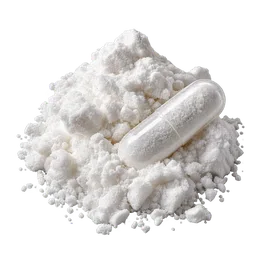
In 1914, two Japanese chemists pulled an unfamiliar amino acid from watermelon rinds. A century later, that same molecule—L-citrulline—would reveal a paradox: it raises the body's arginine levels better than swallowing arginine itself, nudging blood vessels to relax and sometimes performance to rise. 15
A rind, a cycle, and a revelation
Watermelon's Latin name—Citrullus—gave citrulline its name when Yatarō Koga and Ryō Ōtake first isolated it from the fruit in 1914. They couldn't yet see where it fit in human biology. That picture sharpened in 1932, when Hans Krebs and Kurt Henseleit mapped the urea cycle, placing citrulline as a pivotal handoff in how our bodies detoxify ammonia. Decades later, the vascular science revolution of 1987 identified nitric oxide as the artery-relaxing signal made from arginine—producing citrulline as a by-product. Suddenly, the watermelon molecule belonged to two grand stories: waste removal and blood flow. 1234
The paradox that made citrulline famous
Here's the twist: taking citrulline often boosts blood arginine more effectively than taking arginine. Why? Arginine is partly broken down by "tollbooth" enzymes in the gut and liver; citrulline slips past, reaches the kidneys, and is quietly turned into arginine that circulates to the arteries. In healthy volunteers, week-long citrulline dosing raised arginine levels dose-dependently and shifted chemistry toward more nitric-oxide signaling; arginine pills did less. 56
"Watermelon is the richest edible natural source of L-citrulline.. essential to the regulation of vascular tone and healthy blood pressure," said Florida State's Arturo Figueroa. 17
What real studies show
Blood pressure and arterial function
Small randomized trials from Figueroa's group used watermelon extract supplying about 6 g/day of citrulline/arginine for 6 weeks. Results: improved aortic hemodynamics and lower systolic pressures, suggesting the pressure "echo" rebounding through stiff vessels softened. Similar benefits appeared in obese adults with prehypertension or hypertension. Meta-analyses since then are mixed but lean positive: a 2019 review found citrulline lowered brachial blood pressure in several contexts, and a 2025 synthesis of 15 RCTs in middle-aged/older adults estimated average reductions of ~4/2.5 mm Hg—larger when citrulline was paired with arginine. 78910
Sexual function: modest help for the mild cases
In a single-blind pilot trial (n=24) of men with mild erectile dysfunction, one month of L-citrulline (1.5 g/day) improved erection hardness to "normal" in 50% versus 8% on placebo; intercourse frequency also rose. A follow-up crossover pilot combining low-dose citrulline (0.8 g/day) with transresveratrol on top of a PDE5 inhibitor nudged questionnaire scores upward. These studies are small and don't rival prescription drugs, but they point to a safe, physiological nudge for men with mild symptoms or PDE5 partial responders. 1112
Exercise and recovery
For high-intensity effort, a single pre-workout dose of citrulline malate (typically 8 g) has repeatedly helped lifters squeeze out extra reps and report less next-day soreness. A meta-analysis confirms reduced perceived exertion and soreness, though endurance outcomes are inconsistent. One 16-day trial of watermelon juice (≈3.4 g/day citrulline) boosted nitric-oxide markers without improving time-to-exhaustion, underscoring that performance gains seem most reliable in repeated, heavy efforts rather than steady-state endurance. 131514
Culture meets chemistry
Traditional Chinese medicine has long used watermelon rind (Xi Gua Pi) to "clear summer heat." Modern analyses show citrulline is indeed concentrated in rind, especially in yellow or orange-fleshed varieties—an old practice now legible through new biochemistry. 16
Voices—and a reality check
Texas A&M's Bhimu Patil once quipped, "The more we study watermelons, the more we realize just how amazing a fruit it is," noting citrulline's vessel-relaxing potential. Those lines fueled splashy headlines about "natural Viagra," but the evidence supports something humbler: small improvements in vascular tone and, in mild ED, modest gains—not a drug-like effect. 1811
How people actually use it
For blood pressure/arterial stiffness: many studies used 3–6 g/day L-citrulline (or watermelon extract delivering similar amino acids) for 4–8 weeks. Effects, when present, tend to be a few mm Hg—useful as an adjunct to diet, activity, and prescribed care. 7810
For training days: 6–8 g citrulline malate about 30–60 minutes pre-lift is common in research; some split plain L-citrulline 3 g morning/3 g pre-workout. 13
For sexual function: the ED pilot used 1.5 g/day for one month; combination strategies (low-dose citrulline plus other agents) are being explored. 1112
For synergy: combining citrulline with arginine can spike arginine faster than either alone, though not all settings require it. 22
A clinical footnote: in inherited urea-cycle disorders, citrulline isn't a wellness supplement—it's part of medical therapy to maintain arginine supply and control ammonia. In that context, guidelines recommend pharmaceutical-grade products under specialist care; tragic recalls have shown the stakes when products are impure. 2021
What's next
Researchers are testing whether citrulline's benefits depend on the "traffic conditions" inside our vessels—like levels of ADMA, a brake on nitric-oxide production. A 2024–2025 PAD trial is stratifying patients by this signal to see who walks farther on citrulline (with or without a nitric-oxide cofactor). Early pilot work in heart failure with preserved ejection fraction hints that even seven days of citrulline can nudge endothelial function and six-minute walk distance—signals worth confirming in larger, longer studies. 791023
The quiet lesson of a summer fruit
From a rind in 1914 to today's pre-workouts and cardiometabolic trials, citrulline's story isn't about miracles—it's about leverage. By slipping past the gut's tollbooths and quietly refilling the arginine tank, it helps arteries loosen their grip and muscles feel a bit fresher. As evidence accrues, watermelon's old wisdom is being translated into careful, modern practice. 151619
Key takeaways
What to walk away with
- 01
Citrulline's paradox: it elevates blood arginine—and downstream nitric oxide—more efficiently than oral arginine, linking a urea-cycle intermediate to vascular tone.
- 02
Blood pressure: weeks of citrulline or watermelon can produce small average BP reductions, with larger effects reported when combined with arginine in trials.
- 03
Performance: acute citrulline malate can boost high-intensity lifting volume and lessen next-day soreness; endurance results are mixed.
- 04
Practical dosing: 3–6 g/day L-citrulline for vascular goals; 6–8 g citrulline malate 30–60 minutes pre-lifting; 1.5 g/day was used in a mild-ED pilot.
- 05
Timing tips: split daily doses for vascular aims; take pre-workout for acute gym benefits.
- 06
Cautions: discuss use if on nitrate medications or with low/unstable BP; seek medical guidance in advanced kidney disease since kidneys convert citrulline to arginine.
Effect timeline
When to expect what
- Immediate
- Within hours (exercise dosing shows acute effects)
- Peak
- 3–6 weeks for blood pressure/arterial metrics; ~4 weeks in mild ED
- Duration needed
- 4–8 weeks for vascular goals; ongoing for maintenance
- Wears off
- 2–4 weeks after stopping, benefits diminish
Research trajectory
What the studies actually show
-
Oral L-citrulline raises plasma arginine more efficiently than arginine and shifts chemistry toward more nitric-oxide signaling. 5
A double-blind crossover in healthy volunteers compared multiple dosing regimens of citrulline vs arginine.
Explains why citrulline, not arginine, often underpins NO-targeted nutrition.
-
Weeks of citrulline or watermelon intake can lower blood pressure and improve central hemodynamics; pooled RCTs show small average reductions, larger with citrulline+arginine. 10
Pilot RCTs in prehypertension and a 2025 meta-analysis in older adults.
Positions citrulline as an adjunct for cardiometabolic risk, not a sole therapy.
-
Acute citrulline malate improves high-intensity lifting performance and reduces next-day soreness; endurance effects are inconsistent. 15
Bench-press crossover trial plus meta-analysis; an endurance study raised NO markers without performance gains.
Guides practical use toward resistance training or repeated sprints.
Human trials
What real trials found
-
Nine prehypertensive adults took watermelon extract (~6 g/day citrulline/arginine) for 6 weeks, improving aortic hemodynamics and lowering central systolic pressure. 7
- Outcome
- Reduced central (aortic) systolic pressure and wave reflection vs placebo.
- Why it matters
- Shows small but meaningful vascular effects over weeks.
- Source
- American Journal of Hypertension pilot RCT
-
Men with mild erectile dysfunction took L-citrulline 1.5 g/day for one month in a single-blind crossover study. 11
- Outcome
- 50% achieved normal erection hardness vs 8% on placebo; increased intercourse frequency.
- Why it matters
- Demonstrates modest functional gains in mild ED.
- Source
- Urology (2011)
-
HFpEF patients received 6 g/day L-citrulline for 7 days in a pilot. 23
- Outcome
- Improved flow-mediated dilation, limb blood flow, and six-minute walk distance.
- Why it matters
- Suggests short-term vascular responsiveness in a high-risk group.
- Source
- Journal of Applied Physiology (2022)
Expert insights
Voices in the field
"Watermelon is the richest edible natural source of L-citrulline... essential to the regulation of vascular tone and healthy blood pressure." 17
"The more we study watermelons, the more we realize just how amazing a fruit it is." 18
Practical guidance
Putting it to use
Who may benefit
People with elevated but untreated blood pressure or arterial stiffness; lifters or HIIT athletes seeking small performance/recovery gains; men with mild ED or partial response to PDE5 inhibitors; those who don't tolerate arginine's GI effects.
Dosing
Common research doses: 3–6 g/day L-citrulline for vascular goals; 6–8 g citrulline malate 30–60 minutes pre-lifting; 1.5 g/day in a mild-ED pilot.
Timing
Split daily doses (e.g., morning/evening) for vascular aims; take pre-workout for acute gym benefits.
Quality
For medical use in urea-cycle disorders, only pharmaceutical-grade citrulline under specialist care is appropriate; OTC quality lapses have caused harm.
Cautions
If you take nitrates for chest pain or have uncontrolled low blood pressure, discuss citrulline with your clinician. Advanced kidney disease merits medical guidance, since kidneys convert citrulline to arginine.
A closing thought
Sometimes progress isn't a breakthrough drug but a better route to the same destination. Citrulline's gift is efficiency—quietly refilling arginine so vessels can exhale. From summer fruit to serious science, it reminds us that subtle changes, sustained over weeks, can shift a life's trajectory toward healthier flow.
Frequently asked
Common questions
Is L-citrulline better than L-arginine for boosting nitric oxide?
What dose should I use for different goals?
Does it actually lower blood pressure?
Will it improve my workouts?
Who should avoid or be cautious with L-citrulline?
Which form should I choose—L-citrulline or citrulline malate?
Related
More on this supplement
Pulled from across the site — rankings, comparisons, combinations, and reviews where this supplement shows up.
Sources
- 1. Was citrulline first a laxative substance? The truth about modern citrulline and its isolation (2012)
- 2. January 31st 1933 and the clarification of urea biosynthesis (2003)
- 3. Nitric oxide release accounts for the biological activity of endothelium-derived relaxing factor (1987)
- 4. Nitric oxide: a cytotoxic activated macrophage effector molecule (1988)
- 5. Pharmacokinetic and pharmacodynamic properties of oral L-citrulline and L-arginine (2008)
- 6. Manipulation of citrulline availability in humans (2007)
- 7. Effects of watermelon supplementation on aortic blood pressure and wave reflection in prehypertension: a pilot RCT (2010)
- 8. Watermelon extract reduces blood pressure in obese adults with prehypertension/hypertension (2012)
- 9. Effect of oral L-citrulline on brachial and aortic blood pressure: evidence from RCTs (2019)
- 10. Does L-citrulline supplementation and watermelon intake reduce blood pressure in older adults? A systematic review and meta-analysis (2025)
- 11. Oral L-citrulline supplementation improves erection hardness in men with mild erectile dysfunction (2011)
- 12. L-citrulline + transresveratrol improves erectile function in PDE5 users: randomized crossover pilot (2018)
- 13. Citrulline malate enhances athletic anaerobic performance and relieves muscle soreness (2010)
- 14. Two weeks of watermelon juice increases NO bioavailability but not endurance performance (2016)
- 15. Effect of citrulline on post-exercise soreness and RPE: systematic review and meta-analysis (2020)
- 16. Determination of citrulline in watermelon rind (2005)
- 17. Florida State University news: Watermelon lowers blood pressure (2010)
- 18. Texas A&M: Watermelon may have Viagra-like effect (2008)
- 19. Watermelon and L-Citrulline in Cardiometabolic Health: Review of the Evidence 2000–2020 (2021)
- 20. Suggested guidelines for diagnosis and management of urea cycle disorders (table recommends L-citrulline where appropriate) (2012)
- 21. NUCDF medication/quality advisory for UCDs (citrulline recall) (2014)
- 22. Combined oral L-citrulline and L-arginine more efficiently raises plasma arginine in healthy men (2016)
- 23. Improved vascular function and functional capacity after 7 days of L-citrulline in HFpEF (pilot) (2022)
1,085 words · 23 sources · L-Citrulline