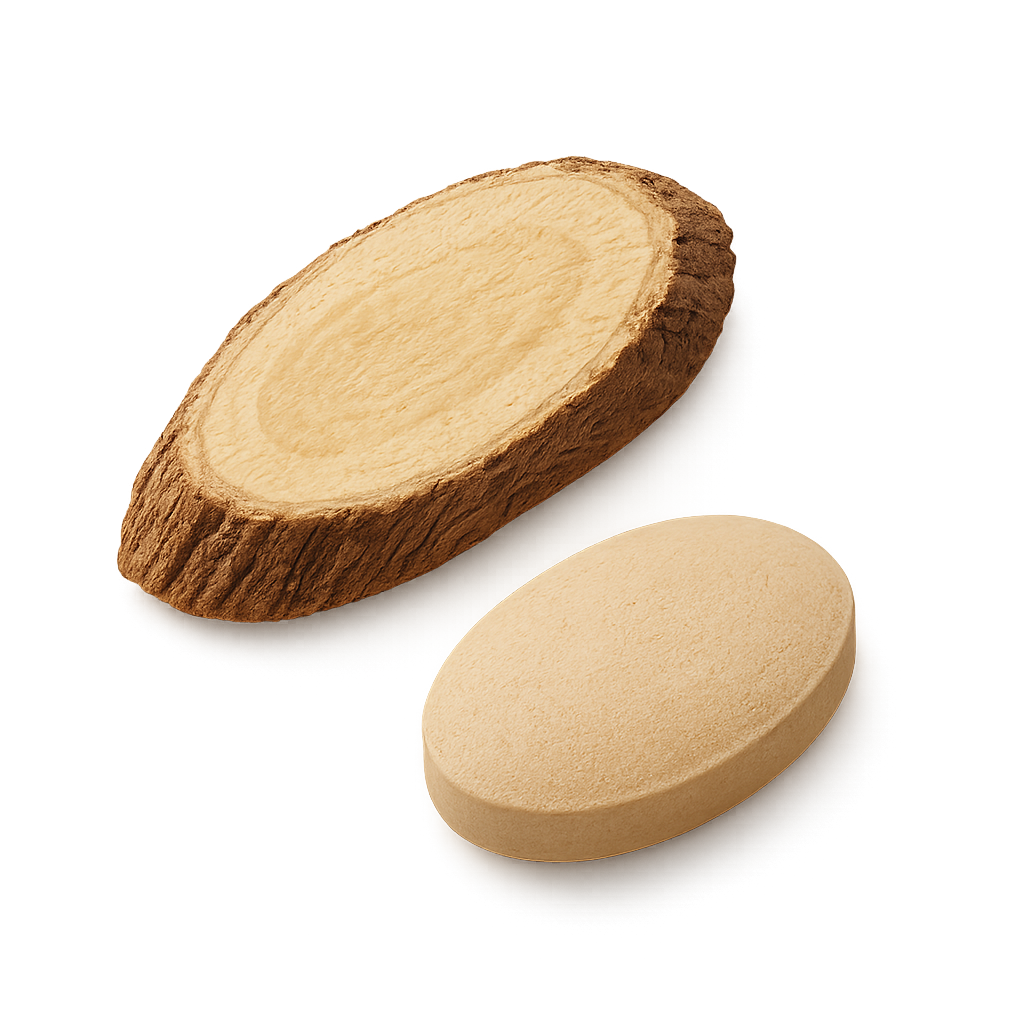
Glycyrrhizic Acid
What the trials found
Glycyrrhizic acid lacks convincing cardiovascular benefit evidence, while its blood-pressure effects can work against people seeking heart-health support.
- 1 papers
- 0 of 2 outcomes
Dose, timing & forms
How much
There is no well-established supplemental dose range for cardiovascular support. The available evidence does not establish a useful cardiovascular protocol, while glycyrrhizic acid exposure can meaningfully affect blood pressure and potassium in susceptible people.1 Treat this as a compound that requires caution, not one to self-dose for heart benefits.
When and how long
Timing does not solve the main issue here. Blood-pressure and potassium effects relate to ongoing exposure, so taking it at a particular time of day does not turn glycyrrhizic acid into a low-risk cardiovascular supplement.1 Avoid treating it like an occasional performance or wellness product, especially if you already monitor blood pressure.
Forms & standardisation
Check whether a licorice product lists glycyrrhizic acid, glycyrrhizin, or whole licorice root. Do not confuse it with deglycyrrhizinated licorice (DGL), a form processed to remove much of the compound linked to salt retention, potassium loss, and blood-pressure elevation.1
What this is and how it works
- No quantified study count, participant total, or effect estimate establishes a meaningful cardiovascular benefit for glycyrrhizic acid.1
- One paper reviewed here spans two outcomes, with evidence focused on licorice root’s usefulness and safety.1
- Glycyrrhizic acid can worsen blood pressure and lower potassium, creating concern for heart, kidney, and blood-pressure conditions.1
Glycyrrhizic acid is a natural compound from licorice root, Glycyrrhiza glabra. It is different from the licorice flavor used in many candies, and it is not a straightforward heart-health supplement. Its most important real-world effect involves how your kidneys handle salt, water, and potassium.1
In the kidney, glycyrrhizic acid disrupts an enzyme that normally keeps cortisol from pressing the body's salt-retention switch. Think of that enzyme as a bouncer at a door: when it stops doing its job, cortisol gets through, sodium and water stay in the body, potassium leaves, and blood pressure can climb.1
Bottom line
Glycyrrhizic acid is not a convincing choice for cardiovascular support because clear benefit evidence is lacking and its known physiology can push blood pressure in the wrong direction.1 Skip it if you have high blood pressure, low potassium, heart or kidney concerns, or take medicines that affect blood pressure or fluid balance. DGL is a distinct licorice preparation and should not be assumed to work like glycyrrhizic acid.1
Common questions
What is glycyrrhizic acid?
Does glycyrrhizic acid support cardiovascular health?
Can glycyrrhizic acid raise blood pressure?
Is deglycyrrhizinated licorice the same as glycyrrhizic acid?
Sources
Sources
Generated August 27, 2026