New Aloe Vera Published Apr 15, 2026
The Leaf That Heals—and Warns: Aloe Vera's Journey from Temple Walls to Clinical Trials
Faster healing for burns and sunburn, cooling relief, and healthier gums without staining
Evidence summary
Aloe vera is a topical plant gel best known for speeding second-degree burn healing, with smaller and more mixed benefits elsewhere.
- Across burn trials, aloe shortened healing by about 3.8 days versus standard topicals.6
- Most positive findings came from topical gels and mouthwashes, not swallowed aloe supplements.
- IBS trials found no meaningful symptom or quality-of-life gains over placebo.
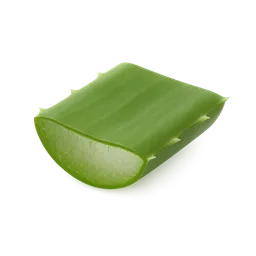
A single green spear sits on your kitchen counter—cooling gel inside, cautionary stories outside. How did one leaf become both a sunburn staple and the subject of cancer warnings?
A desert leaf with a long memory
Ancient storytellers called it a "plant of immortality," and you still see the echo of that myth every time someone snaps a leaf and smooths its clear gel onto sun-pinked skin. The Royal Botanic Gardens, Kew, notes that Aloe vera was said to have graced Cleopatra's beauty rituals more than 2,000 years ago—a reminder that long before laboratories, people trusted the plant's quiet, cooling touch. 1 But history's poetry met modern prose in the lab. Today, researchers separate Aloe's inner leaf gel (the soothing transparent part) from the bitter yellow latex in the outer rind. That distinction matters—immensely. In 2002, the U.S. FDA ordered aloe latex removed from over-the-counter laxatives for lack of safety data, a bureaucratic sentence that reads with surprising drama: "not generally recognized as safe and effective." 3
The paradox at the heart of Aloe
California now requires warnings for a specific form: non-decolorized whole-leaf extract—an unfiltered product that retains anthraquinones like aloin. Regulators emphasize that most consumer products use decolorized extracts, which are not on the list. 4 The caution traces back to a two-year National Toxicology Program study in which rats given non-decolorized whole-leaf extract developed intestinal tumors. 5 So, can a leaf be both healer and hazard? The short answer is processing and context. The NIH's integrative health center summarizes it this way: topical gel is generally well tolerated and may speed burn healing, while oral latex can trigger cramps and diarrhea, and whole-leaf extracts in animals have been linked to cancer—though decolorized drinks with very low aloin have not shown genotoxicity in recent lab reviews. 2
When modern trials light the path
For burns—the situation where many of us reach for Aloe—recent evidence has sharpened. A 2024 meta-analysis of randomized trials found Aloe shortened healing time in second-degree burns by about 3.8 days versus standard topicals, without raising infection risk. 6 Picture Aloe's gel as a wet bandage that helps the skin's repair crew work faster, while keeping the wound moist enough to rebuild. Radiation skin reactions tell a more complicated story. In the 1990s, two phase III trials saw no preventive benefit from Aloe gel for radiotherapy-induced dermatitis. 7 But a newer randomized, double-blind trial in head-and-neck cancer patients didn't change the overall score week-by-week, yet did show fewer moderate-to-severe hot-red patches and less skin weeping late in treatment—an incremental win patients can feel. 8 Your gums? That's a surprise. Several trials now suggest an Aloe mouthwash can reduce plaque and gingival bleeding about as well as the dental workhorse, chlorhexidine—without the bitter aftertaste or tooth staining. 910 Think of the gel's long sugar chains as a gentle hydrator for the gumline while inflammation cools. And the gut? Despite popular claims, high-quality trials in irritable bowel syndrome have been underwhelming, with no clear benefit over placebo in symptoms or quality of life. 1112 The same plant many drink for digestion hasn't delivered consistent relief when put to the test.
Voices from the clinic
"Soothe your sunburn by applying moisturizer containing aloe vera or soy while your skin is still damp." —Veena Vanchinathan, MD, FAAD, American Academy of Dermatology (May 21, 2024). 14
In the FDA's language, aloe laxatives were "not generally recognized as safe and effective" for OTC use. 3 These two lines capture Aloe's split identity: a dermatologist's practical tip beside a regulator's raised eyebrow.
A cautionary tale from the liver
Case reports remind us that "natural" isn't a synonym for "risk-free." LiverTox catalogs instances of acute hepatitis after weeks to months of oral Aloe products; enzymes spiked, jaundice followed, and recovery came only after stopping the supplement. 12 Allergic skin reactions—from rashes to hives—have also been documented after direct leaf application, especially with homemade preparations that can include irritants from the rind. 13
How to use a storied leaf wisely
If your shoulders are warm from the sun, basic first aid still leads: cool water, gentle pat dry, then a thin layer of Aloe-containing moisturizer—ideally alcohol-free—reapplied as needed. 14 For minor kitchen burns, similar rules apply; for deep or blistering wounds, seek care, not a plant. 2 For gum health, short 2–4 week courses of an Aloe mouthwash can be a reasonable adjunct after a dental cleaning—especially if chlorhexidine's taste or staining is a deal-breaker. 910 Choose reputable products and keep up the floss and brush; Aloe complements, but doesn't replace, the basics. What about drinking it? If you do, favor inner-leaf, decolorized products from brands that specify low aloin content; avoid non-decolorized whole-leaf extracts and aloe latex. 24 The future here looks like chemistry: researchers are focusing on acemannan—the long, flexible sugar that may act like a biological sponge for hydration and repair—while also standardizing processing to strip risky compounds. 17
The horizon
Science keeps revising Aloe's story in both directions. A 2025 meta-analysis suggests topical Aloe can reduce severe stages of oral mucositis in cancer patients compared with placebo—useful, if not a cure-all. 15 At the same time, Cochrane reviewers have flagged that for some chronic wounds, evidence is limited or mixed, reminding us that not every ancient promise survives controlled trials. 16 The lesson feels evergreen: honor tradition, test everything, and keep what works. In the end, the leaf on your counter is neither miracle nor menace. It's a tool—one that cools a burn, may calm sore gums, and, in the wrong form, can cause harm. Use it like a scientist with a grandmother's wisdom: apply gently, read the label, and know when to call the doctor. 214
Key takeaways
What to walk away with
- 01
Separate the soothing inner gel from the bitter latex; safety hinges on using the right part of the leaf.
- 02
For second-degree burns, Aloe shortened healing by ~3.8 days versus standard topicals without raising infection risk.
- 03
Aloe mouthwash reduced plaque and gingival inflammation similarly to 0.2% chlorhexidine in randomized trials.
- 04
Radiation-dermatitis data are mixed: earlier phase III trials showed no prevention, while a newer RCT found milder late-phase skin reactions.
- 05
Practical use: apply alcohol-free gel 2–3× daily to intact sunburned/mini-burned skin; use Aloe mouthwash twice daily for 2–4 weeks post-cleaning.
- 06
Cautions: oral Aloe (latex or non-decolorized whole-leaf) may cause cramps/diarrhea and has been linked to hepatitis; decolorized, low-aloin drinks haven't shown genotoxicity in recent lab reviews.
Effect timeline
When to expect what
- Immediate
- Yes (mild)—cooling relief for sunburn within hours when applied topically.
- Peak
- Burn healing differences emerge over 1–2 weeks; gingivitis improvements at 2–4 weeks.
- Duration needed
- Short courses: 1–2 weeks for minor burns; 2–4 weeks for gingivitis mouthwash; during radiotherapy/chemotherapy as directed (4–6 weeks).
- Wears off
- Gingivitis benefits recede within 1–2 weeks after stopping; burn benefits end once healing completes.
Research trajectory
What the studies actually show
-
In second-degree burns, Aloe shortened healing by ~3.8 days versus standard topicals without increasing infection risk. 6
2024 meta-analysis pooled nine RCTs; primary outcome was time to healing.
Supports practical topical use for specific burn severity.
-
Aloe mouthwash reduced plaque and gingival inflammation similarly to 0.2% chlorhexidine in RCTs. 9
Large student RCT and a 2024 single-masked trial found no significant differences between Aloe and chlorhexidine.
Positions Aloe as a tolerable alternative for short-term gum care.
-
Earlier phase III trials showed no prophylactic benefit for radiation dermatitis; a newer RCT found less severe erythema and moist desquamation late in treatment. 8
1996 trials were negative overall; a 2022 double-blind HNC study found symptom reductions in later weeks.
Shows how formulation, timing, and endpoints influence outcomes.
-
In IBS, randomized trials found no significant symptom or quality-of-life benefits over placebo. 11
Double-blind trials in secondary-care populations showed null results, with possible signals only in subgroups.
Counters popular digestive claims; steers use toward topical/oral-local applications.
Human trials
What real trials found
-
Acute hepatitis 3–4 weeks after starting oral aloe tablets; marked liver enzyme elevations; resolved after stopping. 12
- Outcome
- Recovery after discontinuation; highlights oral safety risk.
- Why it matters
- Illustrates that oral Aloe products can cause serious adverse events in rare cases.
- Source
- LiverTox case report of aloe-induced hepatitis.
-
Allergic contact dermatitis after applying home-made Aloe juice to legs; patch tests positive to Aloe leaf and jelly. 13
- Outcome
- Symptoms improved after discontinuation and appropriate care.
- Why it matters
- Reminds users that direct-from-leaf applications can irritate or sensitize skin.
- Source
- Allergic contact dermatitis to Aloe vera (case report).
Expert insights
Voices in the field
Soothe your sunburn by applying moisturizer containing aloe vera or soy while your skin is still damp. 14
Aloe laxative ingredients were not generally recognized as safe and effective for OTC use. 3
Practical guidance
Putting it to use
Who may benefit
People with minor burns or sunburn seeking cooling comfort; dental patients wanting a short-term, gentler alternative to chlorhexidine for plaque/gingivitis; oncology patients under guidance for managing oral mucositis.
Who should avoid
Avoid oral aloe latex or non-decolorized whole-leaf extracts; people with liver disease or on digoxin or strong laxatives should steer clear of oral products; those with known aloe allergy should avoid any form.
Dosing
For minor burns or sunburn: apply a thin layer of alcohol-free Aloe gel 2–3 times daily to intact skin until comfortable healing advances. For gums: use an Aloe mouthwash twice daily for 2–4 weeks after professional cleaning, then reassess.
Timing
Think of Aloe as first-aid support, not a stand-alone cure: cool the skin first, then seal moisture with gel; for mouths, pair with brushing and flossing.
Quality
Look for inner-leaf, decolorized products that specify low aloin; avoid non-decolorized whole-leaf extracts and latex. Choose reputable brands; patch-test if using fresh leaf.
Cautions
Oral Aloe (latex or non-decolorized whole-leaf) can cause cramps/diarrhea and has been linked to hepatitis; decolorized drinks with very low aloin haven't shown genotoxicity in recent lab reviews. Aloe can rarely cause contact dermatitis.
A closing thought
Aloe's modern story is less about miracle cures and more about precision: the right part of the leaf, processed the right way, for the right job. When tradition meets measurement, a folk remedy becomes a tool you can use with confidence—and caution.
Frequently asked
Common questions
Which part of the Aloe leaf should I use?
Can Aloe replace standard burn treatment?
How does Aloe mouthwash compare with chlorhexidine?
Is drinking Aloe safe?
Will Aloe help with radiation dermatitis?
Who is most likely to benefit from Aloe?
Related
More on this supplement
Pulled from across the site — rankings, comparisons, combinations, and reviews where this supplement shows up.
Sources
- 1. Aloe vera | Plants | Kew (2024)
- 2. Aloe Vera: Usefulness and Safety | NCCIH (2025)
- 3. Federal Register: Status of certain additional over-the-counter laxative drug products (2002)
- 4. Aloe Vera, Non-decolorized Whole Leaf Extract — Proposition 65 Fact Sheet (2015)
- 5. Toxicology and carcinogenesis studies of non-decolorized whole leaf extract of Aloe barbadensis (Aloe vera) (2013)
- 6. Effects of Aloe vera on Burn Injuries: Systematic Review and Meta-analysis of RCTs (2024)
- 7. Phase III double-blind evaluation of an aloe vera gel as a prophylactic agent for radiation-induced skin toxicity (1996)
- 8. Topical aloe vera gel in head-and-neck chemoradiation: randomized double-blind trial (2022)
- 9. Effectiveness of Chlorhexidine and Aloe Vera Mouthwash in Periodontal Disease: RCT (2024)
- 10. Comparative efficacy of aloe vera mouthwash and chlorhexidine on periodontal health: RCT (2016)
- 11. Randomised double-blind placebo-controlled trial of Aloe vera for IBS (2006)
- 12. A Randomised Cross-Over Placebo-Controlled Study of Aloe vera in IBS: Quality of Life (2011)
- 13. Aloe Vera — LiverTox (NCBI Bookshelf) (2024)
- 14. Allergic contact dermatitis to Aloe vera (case report) (2007)
- 15. American Academy of Dermatology — How to treat a sunburn (news release) (2024)
- 16. Effectiveness of Aloe vera in the treatment of oral mucositis: systematic review and meta-analysis (2025)
- 17. Aloe vera at the frontier of glycobiology and integrative medicine (2019)
1,105 words · 17 sources · Aloe Vera