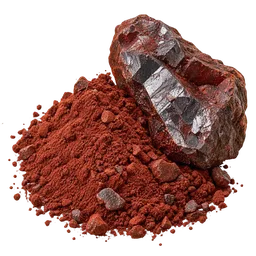
In 19th-century clinics, pale teenagers were diagnosed with "green sickness," a languor so common it earned its own pills—iron salts that often turned the tide. Today, you might sip coffee at your desk and feel a quieter version of the same story: the body's oxygen courier running low, not from drama, but from modern habits and biology's iron gatekeeper. 5,6
Iron's ancient promise—and its modern puzzle
Thomas Sydenham once dosed languid girls with "iron filings in cold wine," an early nod to what many cultures intuited: iron rekindles energy. As hematologist Michael Auerbach and colleagues quip, oral iron has been standard "since Sydenham first used iron filings in cold wine."5
The twist is that iron's power is tightly rationed by a liver-made bouncer called hepcidin. Hepcidin decides how much iron gets through the gut's turnstiles and when to lock it away in storage. When hepcidin rises—during inflammation or after certain dosing patterns—absorption shuts down; when it falls, the gates open.7,8
"Hepcidin..determines plasma iron concentrations and total body iron content." — Elizabeta Nemeth and Tomas Ganz7
The invisible deficit: When "normal" labs hide low fuel
Consider the woman whose lab slip says "not anemic," yet she drags through afternoons. Two randomized trials followed women like her—hemoglobin normal, ferritin low. In one BMJ trial, four weeks of modest ferrous sulfate cut fatigue roughly twice as much as placebo, especially when ferritin was ≤50 µg/L.1 A larger French RCT extended therapy to 12 weeks and again saw a meaningful drop in fatigue scores with iron versus placebo.2
Normal hemoglobin didn't guarantee normal energy; iron stores mattered. The diagnostic snag is that ferritin, the warehouse marker of iron, also rises with inflammation. In chronic inflammatory states, ferritin can look "fine" while iron is trapped in storage, starved away from cells that need it. Guidelines now favor a higher ferritin cutoff (≈45 µg/L) to flag deficiency in anemia, and clinicians often pair ferritin with transferrin saturation to see what's actually circulating.11,16
The dosing plot twist: Less often can be more
For decades, people swallowed iron daily—sometimes twice daily—only to battle nausea and constipation. Then a team in Zurich mapped iron's gatekeeper in action: each dose spikes hepcidin for about a day, blunting absorption from the next dose. Spacing pills every other day and avoiding split doses delivered more iron with fewer stomach complaints.3 Follow-up trials in iron-depleted and anemic women confirm the theme: equal total iron, better absorption or tolerability with alternate-day dosing.12
What's at your table helps—or hinders—the gatekeeper
Plant-based iron is shy; it needs a chaperone. Polyphenols in black tea, coffee, cocoa, and some herb teas bind non-heme iron so tightly that a single mug with a meal can slash absorption by half or more. Scheduling those drinks away from iron-rich meals or supplements matters.9 Meanwhile, the old advice to always add vitamin C got a nuance check: a large RCT found iron alone worked as well as iron plus vitamin C for treating iron-deficiency anemia.10 There's also some kitchen alchemy in your favor: cooking acidic, moist foods in cast-iron pans can nudge iron content upward, and trials and reviews—especially in children—suggest this can translate into small hemoglobin gains when used consistently.13 It's not a cure-all, but in households already on the edge, every trick counts.
Real people, real signals
- A 31-year-old woman with diffuse shedding learned her ferritin was 9 µg/L; after iron repletion her shedding eased over months—classic telogen effluvium triggered by low iron stores.[^CS1]
- Restless legs syndrome, a condition tied to brain iron, improved by week 12 after a single IV iron dose in iron-deficient, non-anemic adults in a randomized trial.14
The warning edge: When iron is too abundant
Iron is a spark; too much can scorch. In hereditary hemochromatosis, excess absorption silently loads the liver, heart, pancreas, and joints. Expert guidance: avoid iron supplements unless prescribed, screen family when appropriate, and treat overload with periodic blood removal to protect organs and lifespan.15
How to work with iron instead of against it
- Test, then target. If symptoms suggest low iron (fatigue, hair shedding, restless legs, reduced exercise capacity), ask for hemoglobin, ferritin, and transferrin saturation. In anemia, many U.S. clinicians treat ferritin <45 µg/L as iron deficiency; with inflammation, TSAT helps reveal low circulating iron despite "normal" ferritin.16
- Dose for biology. For most adults, 40–100 mg elemental iron taken once daily or every other day—ideally in the morning, away from tea/coffee and calcium—is often effective and gentler. Recheck after 4–8 weeks; continue 3 months beyond correction to refill stores.3,11
- Use the environment. Shift polyphenol-rich drinks between meals; you usually don't need extra vitamin C capsules with iron.9,10
From "green sickness" to precision
Chlorosis—the old "green sickness"—likely captured iron deficiency compounded by social forces and limited diets; it faded as nutrition and diagnostics improved.6 Today's paradox is subtler: some of us are iron-starved without anemia, while others carry a genetic key that opens the gates too wide. What's next is personalization—hepcidin-guided schedules, gentler formulations like ferric maltol for sensitive guts, and smarter screening that catches hidden deficits without over-treating.7[^10a] Iron remains the double-edged spark: the right amount restores color to the day; the wrong amount dims it. The art is learning when to open the gate—and when to keep it shut.
Iron is the body's small flame—bright enough to light the day, dangerous if it runs wild. History gave us filings in wine; biology gave us hepcidin. The wiser path is neither fear nor zeal, but timing, testing, and respect for the gatekeeper.