Mulberry

Mulberry

Best for

Improve insulin sensitivity

Large effect, needs confirmation 35 mg/day 6 weeks 1 study, n=24

  • 2 papers
  • 2 of 17 outcomes
  • 2 positive

Mulberry shows a large effect on insulin sensitivity and promising glucose control, but the finding needs confirmation because human evidence remains very limited.

Median effective dose, most-studied outcomes

  • Lower your fasting blood sugar 35 mg 6 wk
  • Help cells use insulin better 35 mg 6 wk
Full protocol, 2 outcomes

Risk, worst reported severity

  • fatigue mild

What mulberry actually does

Outcome Effect Evidence Dose Time Rank
Worth watching 2
Improve insulin sensitivity Large effect, needs confirmation Insulin sensitivity describes how well the body responds to insulin to move sugar out of the blood.
large
1 RCT 1 papers · n=24 35 mg 6 wk
Keep blood sugar steadier Promising early signal Steadier blood sugar can help avoid highs and lows that affect how you feel.
moderate
1 RCT 1 papers · n=24 35 mg 6 wk

Effect tiers come from native-unit MCID where available, Cohen's d otherwise.

Protocol

Dose, timing & forms

How much

The only clear oral protocol behind the early fasting-glucose and insulin-sensitivity signals used 35 mg daily for 6 weeks.1 That is a starting point for interpreting this specific research result, not a proven universal mulberry dose. One small evidence base cannot tell you whether more product works better, or whether a different extract delivers the same effect.1

When and how long

The available evidence supports daily, consistent use for weeks rather than taking mulberry occasionally when you eat a high-carbohydrate meal.1 The trial summary does not establish the best time of day, whether to take it with food, or whether splitting the dose changes results. Follow the product label rather than assuming every mulberry formula matches the studied preparation.1

Forms & standardisation

Do not treat “mulberry” on a label as a meaningful standardization claim. Check which plant part the product uses and whether it names active compounds such as 1-deoxynojirimycin, because leaf, fruit, and mixed extracts can differ substantially.1 The current clinical signal is too narrow to identify a best extract, ratio, or active-compound target.1

Studied range, by outcome

Outcome Studied range Median effective Duration Evidence
Lower your fasting blood sugar 35 mg 35 mg 6 wk 1 paper 1 sig. endpoint
Help cells use insulin better 35 mg 35 mg 6 wk 1 paper 1 sig. endpoint

Adverse events and drug interactions

Safety events

fatigue mild
In context

What this is and how it works

  • One study (n=24) reported improved insulin sensitivity and steadier glucose levels across five endpoints.1
  • Two papers reviewed here span 17 outcomes, with promising evidence concentrated in blood-sugar measures.
  • Human evidence comes from only 24 participants, limiting confidence in the result’s reliability and wider applicability.

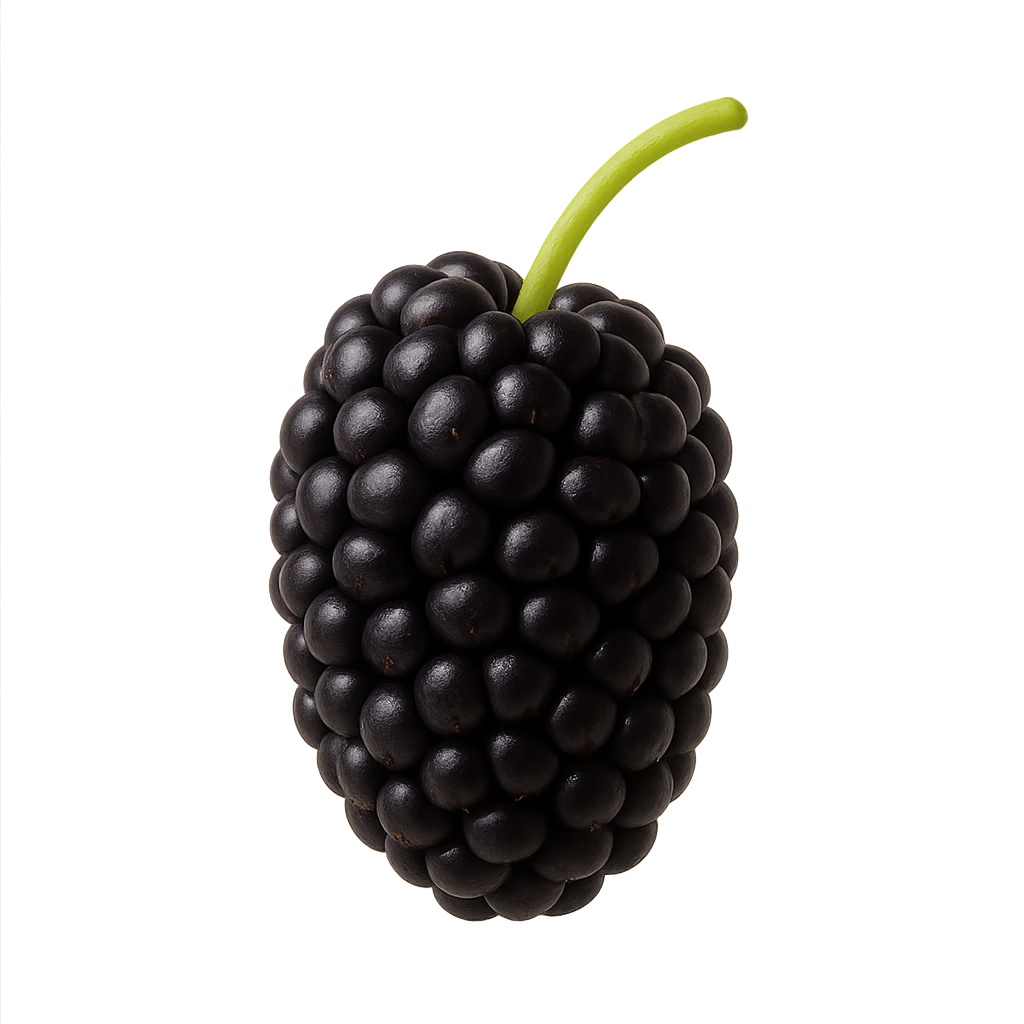
Mulberry refers to products from Morus trees, which can use the leaf, fruit, or other plant parts. That detail matters because different plant parts and extracts do not automatically work the same way, and the available clinical evidence does not establish one best unspecified mulberry product.1

Mulberry leaf compounds, especially sugar-shaped molecules called iminosugars, can slow enzymes in the gut that cut starchy food into absorbable sugar. Think of them as putting a speed limit on the scissors that turn a carb-heavy meal into glucose, which can soften the rush entering the bloodstream.1 The early insulin-sensitivity finding does not yet prove that this gut action explains the result.1

Bottom line

Mulberry is most interesting for someone who wants to watch an early, low-dose blood-sugar research signal without mistaking it for settled science.1 The insulin-sensitivity result looks promising, but it rests on very limited human evidence. Skip the leap from “promising” to “proven,” especially if you use medication or need predictable glucose management.1

Frequently asked

Common questions

Does mulberry help with blood sugar?

Early clinical findings suggest that one oral mulberry preparation improved fasting glucose after 6 weeks, but the evidence is too limited to promise a reliable result for everyone.1

How long does mulberry take to work?

The available trial signal appeared after 6 weeks of daily use. That does not show what happens sooner, later, or with a different mulberry product.1

Is mulberry a good choice for insulin sensitivity?

It is worth watching, not a proven first choice. One early study found a large improvement in how cells responded to insulin, and that result needs replication in larger trials.1

Sources

Sources

  1. 1. PubMed search: mulberry and insulin sensitivity clinical trials

Generated August 27, 2026