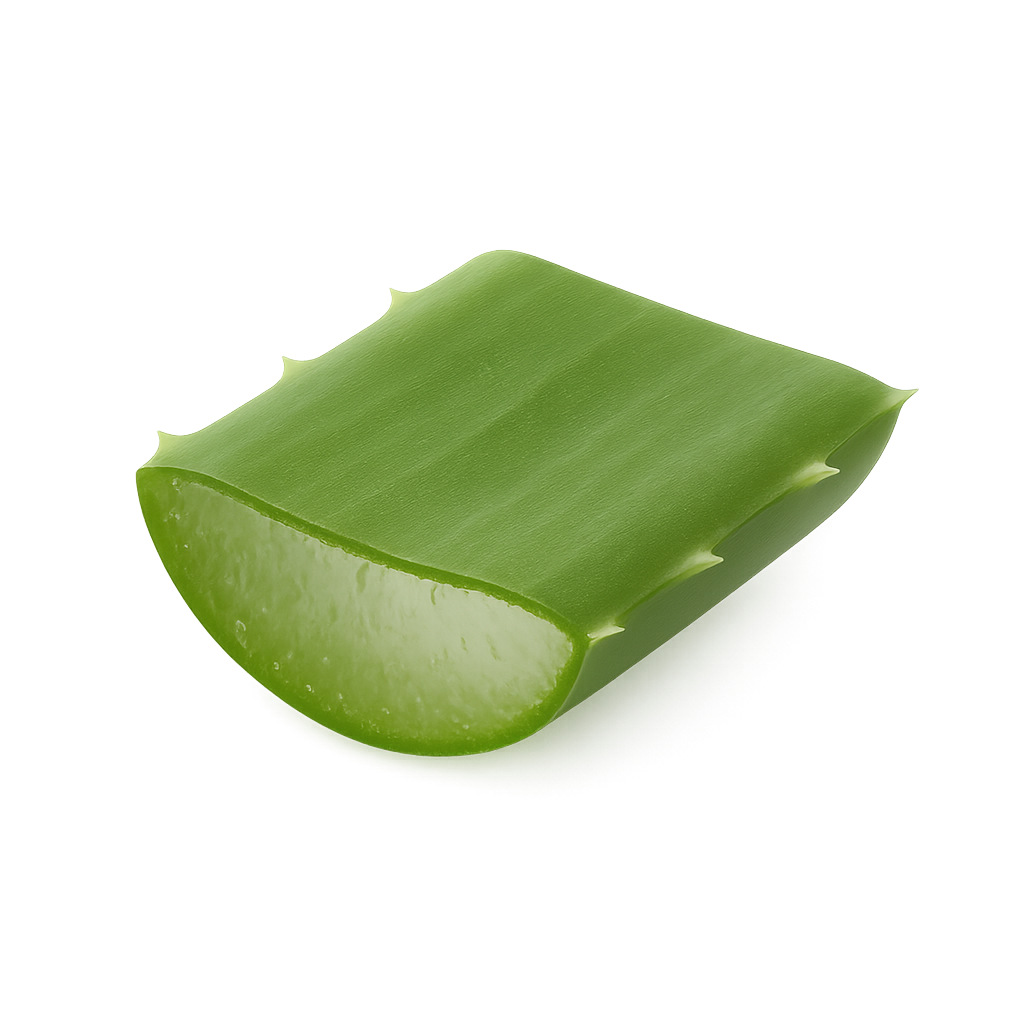
Aloe vera
Evidence status
Limited evidence to recommend for any consumer outcome yet.
16 papers · 2 claims · 24 outcomes scored
Outcomes
What aloe vera actually does, by outcome
Each row is one outcome with effect size, evidence base, the dose that worked in trials, and time to first effect. Magnitude tiers come from native-unit MCID where available, Cohen's d otherwise.
Locks more moisture into skin so it feels softer and less tight.
Less cramping, rumbling, and unease throughout your gut.
| Outcome | Effect | Evidence | Dose | Weeks | Rank |
|---|---|---|---|---|---|
| Boost skin hydration Early signal of harm | | 1 study n=46 | — | 4 wk | — |
| Improve overall digestive comfort Not enough research | | 1 RCT n=— | 60 mL | — | — |
Risk profile
Adverse events and known drug interactions
Safety events
Drug interactions
Sources
- 1. A Randomised, Cross-Over, Placebo-Controlled Study of Aloe vera in Patients with Irritable Bowel Syndrome: Effects on Patient Quality of Life. (2011) ↑
- 2. In Vivo skin hydration and anti-erythema effects of Aloe vera, Aloe ferox and Aloe marlothii gel materials after single and multiple applications. (2014) ↑
- 3. Effects of plant sterols derived from Aloe vera gel on human dermal fibroblasts in vitro and on skin condition in Japanese women. (2015) ↑
- 4. Evaluation of the therapeutic effects of Aloe vera gel on minor recurrent aphthous stomatitis. (2012) ↑
- 5. Assessment of the Effectiveness of Aloe vera Versus Amlexanox in the Treatment of Recurrent Aphthous Ulcers: A Three-Arm Placebo-Controlled Randomized Clinical Trial. (2022) ↑
- 6. Effects of Aloe Vera in the Treatment of Oral Ulcers: A Systematic Review and Meta-Analysis of Randomised Controlled Trials. (2022) ↑
- 7. Effect of a dentifrice containing Aloe vera on plaque and gingivitis control. A double-blind clinical study in humans. (2008) ↑
- 8. A randomized, double-blind clinical study to assess the antiplaque and antigingivitis efficacy of Aloe vera mouth rinse. (2012) ↑
- 9. A randomized clinical study for comparative evaluation of Aloe Vera and 0.2% chlorhexidine gluconate mouthwash efficacy on de-novo plaque formation. (2016) ↑
- 10. Efficacy of Ocimum sanctum, Aloe vera and chlorhexidine mouthwash on gingivitis: A randomized controlled comparative clinical study. (2019) ↑
Generated August 14, 2026
Related
More evidence for Aloe vera
Evidence guide
Aloe Vera
NewThe Leaf That Heals—and Warns: Aloe Vera's Journey from Temple Walls to Clinical Trials
Evidence guide
Apr 15, 2026
Evidence map
Metabolic health
NewMetabolic health: evidence map across 82 supplements
Evidence coverage map
Jul 30, 2026
Ingredient evidence
Ingredient evidence
NewBacillus Coagulans
All scored outcomes
Aug 14, 2026
Ingredient evidence
Ingredient evidence
NewBlack Seed
All scored outcomes
Aug 14, 2026
Ingredient evidence
Ingredient evidence
NewBrown Seaweed and Kelp
All scored outcomes
Aug 14, 2026
Ingredient evidence
Ingredient evidence
Newchicory
All scored outcomes
Aug 14, 2026