New Magnesium Published May 1, 2026
From Bitter Springs to ICU Drips: The Quiet Power of Magnesium
Less muscle tension, easier sleep onset, calmer mood, fewer migraines, and steadier heart rhythm
Evidence summary
Magnesium's clearest clinical effect is preventing eclampsia in women with preeclampsia, where magnesium sulfate cut seizure risk by about half.
- Across 1 trial (n=10,141), magnesium sulfate cut eclampsia risk by about 50%, a large and clinically meaningful reduction.5
- The strongest evidence comes from pregnant women with preeclampsia receiving magnesium sulfate in obstetric hospital care.
- Migraine and mood findings are smaller; serum magnesium can look normal despite tissue deficiency.
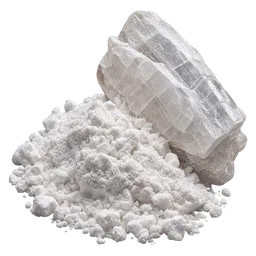
On a summer day in 1618, a farmer in Epsom, England led his cows to a spring. They refused to drink—too bitter. But when he splashed the water on a rash, it calmed. Centuries later, a clear IV bag in a maternity ward can stop a mother's seizures in minutes. The thread between those scenes is the same silvery element: magnesium. 23
The metal that began as a bitter taste
Epsom's waters were eventually traced to magnesium sulfate—the same compound you've likely poured into a bath after a hard run. Two hundred years after that farmer's discovery, Humphry Davy used electricity to pry the pure metal from its minerals, adding "magnium," later "magnesium," to the periodic table. A mineral with spa-town folklore had stepped into the laboratory. 21
When magnesium saves lives
The most dramatic stage for magnesium is obstetrics. In preeclampsia and eclampsia—dangerous spikes in blood pressure that can trigger seizures—intravenous magnesium sulfate can halve a woman's risk of seizing, a result established by the massive MAGPIE trial across 33 countries. Public-health bodies didn't mince words. "Magnesium sulfate is a lifesaving drug and should be available in all health-care facilities," the WHO states. 54 Cochrane reviews comparing magnesium to other anticonvulsants find fewer recurrent seizures and fewer maternal deaths with magnesium than with diazepam or phenytoin. In the clipped language of evidence synthesis, magnesium becomes the first choice. In the vivid language of a delivery room, it's the difference between chaos and calm. 65
The invisible deficit
Here's the paradox: even in wealthy countries, many people simply don't get enough magnesium from food. Analyses of U.S. dietary surveys suggest roughly half the population falls short of requirements. That shortfall matters because magnesium is the body's quiet multitasker—helping enzymes build DNA, coaxing muscles to relax after they fire, and keeping heart rhythm steady. 76 Yet detecting low magnesium is trickier than most think. Only a sliver of your body's magnesium floats in the bloodstream; most hides in bone and cells. Standard blood tests can look "normal" even when tissues are running on empty. Clinicians and researchers have argued for higher cutoffs and smarter tests (like red-blood-cell or loading tests) because serum alone often misses deficiency. 98 Magnesium also sits upstream of other nutrients. As osteopathic physician-researcher Mohammed Razzaque put it, "Without magnesium, vitamin D is not really useful or safe." That's because the enzymes that flip vitamin D into its active forms need magnesium as a co-factor—the molecular assistant that makes the reaction go. 1011
Real patients, real stakes
Consider a 2024 case report: a person on an over-the-counter heartburn medicine (a proton pump inhibitor) arrived with seizures. The culprit wasn't exotic—it was profound hypomagnesemia. Stopping the drug and replenishing magnesium turned the tide. 14 Or the heart's electrical drama called torsades de pointes, a dangerous spin into arrhythmia. Here magnesium works like a circuit stabilizer, quieting the rogue sparks. Emergency references name IV magnesium as first-line therapy; classic case series show it snapping the rhythm back when other drugs fail. In these moments, magnesium isn't a supplement. It's a rescue. 1516
Everyday questions: mood, migraines, and the long game
Outside of the ICU, the story is more nuanced—and human. In a pragmatic primary-care trial, adults with mild to moderate depression took 248 mg elemental magnesium daily. Many felt meaningfully better within two weeks, with anxiety easing too. That's not a miracle cure; it's a clue that low-risk replenishment can matter for some. 12 For migraine prevention, the signal is modest but consistent enough to count. Reviews and guidelines describe magnesium as "possibly/probably effective," often at 400–600 mg/day of certain forms for several weeks, especially helpful in menstrual migraine or migraines with aura. Translation: not a guarantee, but a reasonable tool—ideally chosen and dosed with a clinician because those doses exceed the usual supplement upper limit and can loosen stools. 138
Old waters, new science
Cultural memory is filled with "taking the waters." In Central Europe, magnesium-rich springs were bottled and prescribed; in Slovenia, a water still famous for its magnesium (Donat Mg) draws visitors. Modern trials don't ask you to relocate to a spa, but they do examine what happens when people drink magnesium-rich mineral water at home. The results: magnesium from water is absorbed about as well as from food or supplements; it absorbs better with meals and when sipped in smaller servings across the day. In people starting with low magnesium uptake, mineral water rich in multiple salts has even lowered blood pressure over a few weeks. The old ritual meets randomized design. 181719
How to use the quiet power—without getting loud about it
If you supplement, think of forms as personalities. Magnesium citrate and oxide pull water into the gut—useful if constipation is part of your story. Glycinate is gentler on digestion for those chasing calm or sleep. Start low, take with food, and split doses to improve absorption and reduce bathroom sprints. 6
The general supplement upper limit is 350 mg/day (because of diarrhea), though clinical uses like migraine prevention commonly go higher under medical supervision. Separate magnesium from certain antibiotics and osteoporosis drugs—magnesium can "grab" them and block absorption. Kidney disease changes the safety equation; get medical guidance. 613
Food first still applies: beans, nuts, greens, whole grains, and magnesium-rich mineral waters are steady contributors. If you rely on antacids/PPIs long-term, ask about checking magnesium. 614
What's next
Even in places where magnesium has proven itself—like eclampsia—researchers are refining how to use less drug with equal safety to reach more mothers. Elsewhere, clinicians are testing better ways to measure the biologically active "ionized" magnesium in real time. The big picture is clear: we're moving from folklore and crude tests toward targeted, person-specific use. 415
The story of magnesium isn't flashy. It's infrastructure. From bitter springs to bright hospital lights, it keeps systems steady—quietly essential until the moment you need it most.
Key takeaways
What to walk away with
- 01
Magnesium's story runs from Epsom's bitter springs to modern obstetrics, where IV magnesium sulfate can halve seizure risk in eclampsia (MAGPIE trial).
- 02
For daily supplementation, a common elemental range is 100–350 mg/day; migraine prevention often uses 400–600 mg/day under supervision.
- 03
Taking magnesium with meals and splitting into 2–3 doses can improve absorption and reduce laxative effects.
- 04
Who may benefit most: low-intake diets (few beans/greens/nuts/whole grains), constipation, menstrual migraine or migraine with aura, and stubbornly low vitamin D levels.
- 05
Evidence is promising: trials show improved depression and anxiety within two weeks and systematic reviews support migraine prevention over several weeks.
- 06
Cautions: diarrhea limits many users (UL 350 mg/day supplement); separate from certain antibiotics and osteoporosis medicines, and consider monitoring if on long-term PPIs.
Effect timeline
When to expect what
- Immediate
- Within minutes for acute IV uses (eclampsia, torsades); mild within days for constipation.
- Peak
- 2–6 weeks for mood; 4–12 weeks for migraine prevention.
- Duration needed
- 8–12 weeks minimum for trials; ongoing if dietary intake remains low.
- Wears off
- Days to weeks after stopping if intake stays low; immediate loss in acute IV settings.
Research trajectory
What the studies actually show
-
In the MAGPIE randomized trial (10,141 women), magnesium sulfate cut the risk of eclampsia by about half versus placebo, with a trend toward lower maternal mortality. 5
A global, 33-country trial settled long-standing uncertainty in obstetrics.
Established magnesium sulfate as standard of care worldwide.
-
An open-label, randomized cross-over trial found 248 mg/day elemental magnesium improved depression scores within two weeks and reduced anxiety. 12
Primary-care patients used an over-the-counter magnesium chloride; adherence was high, side effects minimal.
Suggests a low-risk option for mild-to-moderate symptoms under clinician guidance.
-
Systematic reviews and guidelines rate magnesium as possibly/probably effective for migraine prevention, often at 400–600 mg/day for several weeks. 13
Clinical trials are small but signal benefit; societies include magnesium among evidence-supported nutraceuticals.
Positions magnesium as a reasonable adjunct in prevention plans.
-
Serum magnesium can look normal despite tissue deficits; experts recommend higher cutoffs and alternative tests. 9
Methodological critiques and reviews highlight the mismatch between blood and cellular stores.
Explains why symptoms can persist despite "normal" labs.
-
Magnesium from mineral water is well absorbed, especially when taken with meals and in smaller, spread-out servings; in people with low baseline uptake, multi-mineral waters lowered blood pressure over weeks. 19
Human isotope studies and a randomized trial link old spa practices to modern physiology.
Validates practical, food-based ways to lift magnesium status.
Human trials
What real trials found
-
Seizures in a patient taking a proton pump inhibitor traced to profound hypomagnesemia; stopping the PPI and repleting magnesium resolved events. 14
- Outcome
- Neurologic stability restored after magnesium replacement and medication change.
- Why it matters
- Illustrates how common drugs can unmask critical magnesium deficits.
- Source
- PubMed case report, 2024
-
Classic series of torsades de pointes cases unresponsive to antiarrhythmics but terminated by IV magnesium sulfate. 16
- Outcome
- Arrhythmia aborted after 1–2 g IV magnesium; sustained rhythm with infusion.
- Why it matters
- Shows magnesium's unique role in stabilizing dangerous ventricular rhythms.
- Source
- American Journal of Cardiology case series, 1984
Expert insights
Voices in the field
"Magnesium sulfate is a lifesaving drug and should be available in all health-care facilities." 4
"Without magnesium, vitamin D is not really useful or safe." 10
Practical guidance
Putting it to use
Who may benefit
People with low-magnesium diets (few beans, greens, nuts, whole grains), those with constipation, menstrual migraine or migraine with aura, and individuals whose vitamin D levels stay stubborn despite supplementation.
Who should avoid
Advanced kidney disease, myasthenia gravis, or known heart block without medical supervision.
Dosing
Common supplemental range: 100–350 mg/day elemental magnesium; higher doses (e.g., 400–600 mg/day) are used clinically for migraines under supervision.
Timing
Take with meals; split into two or three doses to boost absorption and reduce laxative effects. Mineral waters or food sources can 'top up' quietly throughout the day.
Quality
Look for labels listing elemental magnesium and the salt form. Glycinate tends to be gentler; citrate and oxide draw water into the gut (helpful for constipation).
Cautions
The supplement upper limit is 350 mg/day due to diarrhea risk; separate magnesium from certain antibiotics and osteoporosis medicines by several hours; long-term PPI use can lower magnesium—ask about monitoring.
A closing thought
Magnesium rarely headlines. It doesn't promise eternal youth; it keeps the lights on. The same bitterness that sent Epsom's cows away hints at why our cells need it—an ionic nudge that lets muscles unclench, neurons fire cleanly, and hearts keep time. In a world that celebrates sparks, magnesium is the conductor. Respecting it means eating like our grandparents, checking what our tests really show, and—when lives hang in the balance—hanging the right IV bag fast.
Frequently asked
Common questions
What dose should I start with for general benefits?
How should I time magnesium for best tolerance and absorption?
Can magnesium help with migraines and how long does it take?
When might I notice mood or anxiety benefits?
Who is most likely to benefit from supplementing?
What interactions or precautions should I know about?
Related
More on this supplement
Pulled from across the site — rankings, comparisons, combinations, and reviews where this supplement shows up.
Ingredient evidence
Ingredient evidence
NewMagnesium
All scored outcomes
Aug 27, 2026
Ranking
Deep, Restful Sleep
NewBest Supplements for Deep, Restful Sleep (2026)
Evidence ranking
Mar 29, 2026
Ranking
Low Testosterone
NewBest Supplements for Testosterone, Ranked by Evidence
Evidence ranking
Apr 4, 2026
Ranking
Depression
NewBest Supplements for Depression, Ranked by Clinical Evidence
Evidence ranking
Apr 4, 2026
Ranking
Trouble Falling Asleep
NewBest Supplements to Fall Asleep Faster, Ranked by Clinical Evidence
Evidence ranking
May 27, 2026
Ranking
Sleep Quality
NewBest Supplements to Increase Deep, Restorative Sleep (2026)
Evidence ranking
May 16, 2026
Sources
- 1. Magnesium – History (2025)
- 2. Epsom (history of Epsom salts) (2025)
- 3. Magnesium sulfate – Epsom salt (2025)
- 4. WHO Recommendations for Prevention and Treatment of Pre-Eclampsia and Eclampsia (2011)
- 5. The Magpie Trial (Lancet): Magnesium sulphate for pre-eclampsia (2002)
- 6. Cochrane reviews: Magnesium sulphate vs diazepam/phenytoin for eclampsia (2022)
- 7. NIH ODS Magnesium Fact Sheet (Health Professionals) (2022)
- 8. Micronutrient Inadequacies in the US Population (NHANES 2007–2010) – LPI (2016)
- 9. Assessment of magnesium status for diagnosis and therapy (Elin, Magnesium Research) (2010)
- 10. AOA press release: Low magnesium makes vitamin D ineffective (Razzaque quote) (2018)
- 11. Role of Magnesium in Vitamin D Activation and Function (JAOA) (2018)
- 12. RCT: Magnesium supplementation for depression (PLOS One/PubMed) (2017)
- 13. NCCIH: Headaches—What the Science Says (magnesium for migraine) and AHS nutraceuticals (2022)
- 14. Case report: PPI-induced hypomagnesemia causing seizures (2024)
- 15. Torsade de Pointes – StatPearls (first-line IV magnesium) (2024)
- 16. Magnesium therapy for torsades de pointes (AJC 1984) (1984)
- 17. Magnesium absorption from mineral water increases with smaller, spread-out servings (Br J Nutr) (2002)
- 18. Magnesium bioavailability from mineral waters vs bread and supplement (2017)
- 19. Mineral water intake and blood pressure in those with low Mg/Ca uptake (2004)
1,117 words · 19 sources · Magnesium