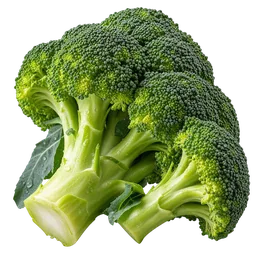
Broccoli
What the trials found
Broccoli supplements show no clear consumer benefit across studied health outcomes because limited human evidence cannot establish meaningful effects yet.
- 2 papers
- 0 of 7 outcomes
- 1 severe
Risk, worst reported severity
- fracture severe
- bloating mild
Dose, timing & forms
How much
There is no evidence-based general dose for broccoli extracts or sprout powder. A small randomized trial tested broccoli sprout powder in adults with type 2 diabetes, but that narrow research base does not establish a standard amount for metabolic health or general wellness.1 Treat products that promise a universal sulforaphane dose with caution.
When and how long
Research does not establish a best time of day to take broccoli sprout products. If you choose a concentrated product, follow its label rather than assuming timing changes its effects, and avoid treating occasional use or daily use as clinically proven strategies.1 Food first makes the most practical starting point for people who simply want to eat more broccoli.
Forms & standardisation
Broccoli foods, sprouts, powders, and extracts are not interchangeable. Labels sometimes list glucoraphanin or sulforaphane, but the human evidence does not yet show which label amount delivers a dependable outcome.1 For food, chopping broccoli before cooking supports the conversion process that creates sulforaphane.1
Adverse events and drug interactions
Safety events
What this is and how it works
- Across 1 reported trial, oxidative-stress measures decreased; sample size and MCID comparison were unavailable. 1
- Two papers reviewed here span seven outcomes, with human evidence concentrated in limited clinical research.
- One randomized trial studied broccoli sprouts powder in adults with type 2 diabetes, not general supplement users. 1
Broccoli is a cruciferous vegetable in the same family as cabbage and kale. Its florets and sprouts contain glucoraphanin, a plant compound that can become sulforaphane when the plant is chopped, chewed, or processed.1 Concentrated broccoli sprout powders and extracts aim to deliver more of these compounds than a typical serving of food.
When broccoli cells break open, an enzyme helps convert glucoraphanin into sulforaphane. It acts like pulling a fire-alarm lever inside cells, switching on internal defense programs that handle reactive chemical stress.1 That biology is intriguing, but the reviewed human evidence does not yet establish a reliable real-world benefit for most shoppers.1
Bottom line
Broccoli is a nutritious food, and its sulforaphane chemistry is worth knowing about. But the reviewed evidence includes only limited human research and supports no clear consumer-facing supplement benefit yet.1 Choose it because you enjoy eating it, not because an extract promises a proven metabolic or joint result.
Common questions
Does broccoli work like a sulforaphane supplement?
What is glucoraphanin in broccoli?
Should you take broccoli extract every day?
Sources
Sources
Generated August 27, 2026