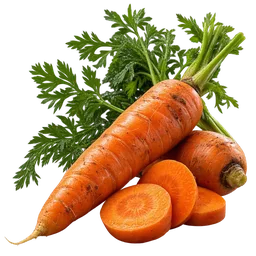
Carrot (root/whole)
What the trials found
Whole carrots provide fiber and carotenoids, but targeted benefits for cholesterol, blood sugar, inflammation, or cardiovascular risk remain unproven because direct outcome evidence is very thin.
- 1 papers
- 0 of 8 outcomes
Dose, timing & forms
How much
Whole carrot research does not support a supplement-style dose for a specific outcome. Treat carrots as a food: add a serving to meals consistently, then judge the choice by whether it helps you eat more vegetables and fiber overall.2 The direct clinical evidence reviewed for cardiovascular, metabolic, and inflammation claims is too limited to establish a proven therapeutic protocol.
When and how long
Timing is flexible for whole carrots. Eat them whenever they make it easier to build a vegetable-forward meal or snack, rather than saving them for a particular time of day. Pairing carotenoid-rich foods with a meal that contains some fat supports carotenoid absorption, since these pigments dissolve in fat rather than water.1
Forms & standardisation
Choose whole, minimally processed carrots when you want the fiber that carrot juice leaves largely behind.2 Orange carrots provide beta-carotene, but a label claiming a precise carotenoid dose does not turn carrot powder or juice into a proven targeted intervention. No standardized carrot extract has enough direct evidence here to recommend over ordinary food.
What this is and how it works
- No pooled effect estimate is available for carrot outcomes, preventing comparison with thresholds for noticeable change. 1
- One paper reviewed here spans eight outcomes, with nutrition evidence stronger than targeted treatment evidence.
- Whole carrots provide more fiber than carrot juice, while both contain carotenoids. 2
A carrot is the edible root of the carrot plant, usually eaten raw, roasted, steamed, or blended into soups and juices. Its orange color comes largely from carotenoids, especially beta-carotene, and the whole root also supplies dietary fiber.12 Whole carrots are different from isolated carotenoid pills because you eat the fiber, water, and food matrix together.
Your body can convert some beta-carotene from carrots into vitamin A, a nutrient that supports normal vision, immune function, and cell growth.1 Think of beta-carotene as boxed building material: your body opens only the boxes it needs, rather than automatically turning every bit into vitamin A.1 The fiber in the whole root also reaches the digestive tract with the carbohydrate, which makes the food behave differently from carrot juice or a purified extract.2
Bottom line
Choose whole carrots if you want an easy, affordable source of fiber and carotenoids in your everyday diet.12 Do not choose them expecting a demonstrated treatment for cholesterol, blood sugar, inflammation, or cardiovascular risk, because direct evidence for those outcomes is currently very thin. People using carrot juice should remember that it delivers less fiber than the whole root.2
Common questions
Are whole carrots good for you?
Do carrots improve blood sugar?
Are raw or cooked carrots better?
Sources
Sources
Generated August 27, 2026