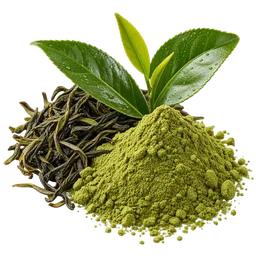
Epigallocatechin
What the trials found
Epigallocatechin has not been adequately studied for weight loss or related wellness outcomes, so evidence remains insufficient to support meaningful benefits.
- 4 papers
- 1 of 30 outcomes
- 5 severe
Median effective dose, most-studied outcomes
- Weight relative to height 300 mg 8 wk
Risk, worst reported severity
- hepatotoxicity severe
- blood bilirubin increased severe
What epigallocatechin actually does
| Outcome | Effect | Evidence | Dose | Time | Rank |
|---|---|---|---|---|---|
| Early research 1 | |||||
| Lose weight Not enough research Weight loss means carrying less total body weight over time. | | 1 RCT 2 papers · n=128 | 300–800 mg | 8 wk | — |
Effect tiers come from native-unit MCID where available, Cohen's d otherwise.
Dose, timing & forms
How much
The limited eight-week weight-related trials used 300 to 800 mg daily. Despite those doses, the observed change in weight relative to height was trivial, so the research does not establish a useful target dose for weight management.1 A separate 300 mg daily protocol did not meaningfully improve overall antioxidant capacity over eight weeks.1
When and how long
The available trials ran for eight weeks, which tells you more about sustained use than about a best time of day. They do not establish whether morning, evening, split dosing, or taking it with a meal improves results. For concentrated green tea extracts, avoid fasting use because liver injury reports have focused attention on extract safety and dosing context.2
Forms & standardisation
The evidence does not identify a best epigallocatechin extract, or a label standardization that reliably changes weight or antioxidant outcomes. If you consider a green tea product, check whether the label lists total catechins, EGCG, caffeine, and the amount per serving. Brewed tea and concentrated extracts are not interchangeable exposures, particularly for safety.23
Studied range, by outcome
| Outcome | Studied range | Median effective | Duration | Evidence |
|---|---|---|---|---|
| Weight relative to height | 300–800 mg | 300 mg | 8 wk | 2 papers 2 sig. endpoints |
| Lower body fat percentage | 800 mg | — | 8 wk | 1 paper |
| Support overall antioxidant capacity | 300 mg | — | 8 wk | 1 paper |
Adverse events and drug interactions
Safety events
What this is and how it works
- Across 2 studies (n=128), epigallocatechin showed no consistent weight-loss effect; no MCID comparison was reported.1
- Four papers reviewed here span 30 outcomes, with limited human evidence concentrated in early research.1
- Concentrated green-tea extracts containing epigallocatechin have been linked to liver-injury concerns.1
In laboratory work, green tea catechins interact with the cell systems that handle oxidative stress and energy signals. Think of them as extra hands at a busy recycling station, sorting reactive chemical debris, but human trials have not shown that this activity reliably translates into higher whole-body antioxidant capacity.13
Bottom line
Epigallocatechin is not a compelling pick if your goal is weight loss, body-fat reduction, or a measurable antioxidant boost. The evidence is small and the observed weight effect is trivial. Given reported liver injury with concentrated green tea extracts, people with liver concerns or anyone seeking a casual wellness supplement should skip high-dose extracts and choose caution over hype.12
Common questions
Does epigallocatechin help with weight loss?
Is epigallocatechin the same as EGCG?
Should you take green tea extract on an empty stomach?
Can epigallocatechin raise antioxidant levels?
Sources
Sources
Generated August 27, 2026
Related
More evidence for Epigallocatechin
Evidence map
Metabolic health
NewMetabolic health: evidence map across 82 supplements
Evidence coverage map
Jul 30, 2026
Ingredient evidence
Ingredient evidence
NewBrown Seaweed and Kelp
All scored outcomes
Aug 27, 2026
Ingredient evidence
Ingredient evidence
NewCapsaicin
All scored outcomes
Aug 27, 2026
Ingredient evidence
Ingredient evidence
NewCarnitine
All scored outcomes
Aug 27, 2026
Ingredient evidence
Ingredient evidence
NewDHEA
All scored outcomes
Aug 27, 2026
Ingredient evidence
Ingredient evidence
NewGreen Coffee
All scored outcomes
Aug 27, 2026