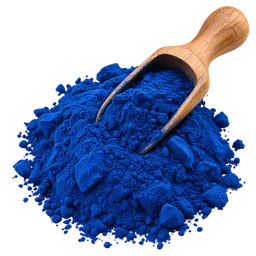
Phycocyanin
What the trials found
Phycocyanin does not have established benefits for human health outcomes; current evidence is limited to early laboratory research rather than clinical supplementation trials.
- 1 papers
- 0 of 9 outcomes
Risk, worst reported severity
- bruising mild
- bleeding gums (gingival bleeding) mild
- sodium salicylate minor
Dose, timing & forms
How much
There is no established, evidence-backed human dose for isolated phycocyanin. The available evidence is too limited to connect a specific amount, duration, or product to reliable benefits in people. 1 Do not assume that a large dose of spirulina delivers the same amount of purified C-phycocyanin used in experimental research. 1
When and how long
No human trial protocol establishes a best time of day, meal pairing, or split-dose schedule for phycocyanin. 1 If you choose to use it, follow the product label rather than treating it like an as-needed pain or inflammation product, since that use lacks human dosing evidence.
Forms & standardisation
Look for a label that identifies the ingredient as C-phycocyanin and states the amount per serving, rather than relying on a vague "blue spirulina" claim. The key experimental finding concerns isolated C-phycocyanin, not a specified spirulina dose or a consumer product standard. 1 Third-party identity and contaminant testing matter because algae-derived ingredients vary substantially between products.
Adverse events and drug interactions
Safety events
Drug interactions
What this is and how it works
- One laboratory paper examined cyclooxygenase-2 inhibition, with no human participants or clinical effect estimate reported.1
- The evidence base reviewed here contains 1 paper spanning 9 outcomes, without an established human dose.
- Laboratory enzyme findings do not establish symptom relief, disease prevention, or safe self-supplementation in people.
Phycocyanin is a blue, light-catching protein from spirulina, a type of cyanobacteria often sold as blue-green algae. Researchers isolate it from spirulina to study its biological activity, but concentrated phycocyanin is not interchangeable with every spirulina powder. 1
In early laboratory work, C-phycocyanin inhibited cyclooxygenase-2, an enzyme that helps cells produce inflammatory chemical signals. 1 Think of that enzyme as a signal amplifier: phycocyanin appears to turn down the amplifier in a lab setting, but human studies have not yet shown how much that changes how you feel.
Bottom line
Phycocyanin is interesting if you are curious about an early-stage spirulina compound, not if you need a supplement with proven symptom benefits. The evidence rests on limited laboratory research, with no established human dose or outcome. 1 Skip self-experimenting if you bruise easily, have bleeding gums, or use products that affect clotting.
Common questions
What is phycocyanin?
Does phycocyanin reduce inflammation?
Does phycocyanin thin the blood?
Sources
Sources
Generated August 27, 2026