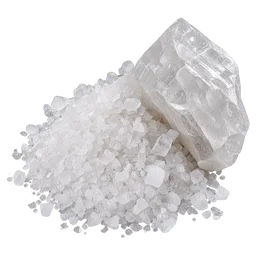
Sodium
Best for
Maintain kidney filtering
Faint early signal 1 study, n=72 #4 of 17 studied
- 4 papers
- 7 of 15 outcomes
- 2 positive
Sodium shows a faint early signal for helping kidneys clear waste, while evidence across other outcomes remains insufficient to support broader benefits.
Risk, worst reported severity
- gastrointestinal discomfort (dyspepsia, flatulence, reflux esophagitis, appetite loss) mild
- skin irritation mild
- aspirin minor
What sodium actually does
Kidney filtering clears waste and extra fluid from the blood and helps keep the body in balance. 32506135
Vitamin D levels reflect a nutrient that helps infants absorb calcium for growing bones. 32506135
Vitamin D levels in pregnancy matter for maternal and fetal health. 32506135
Vitamin D levels show the body's supply of a nutrient tied to bone and muscle health. 32506135
Blood calcium helps bones, muscles, and nerves work normally. 32506135
Kidneys help keep phosphorus, calcium, and related hormones in balance for bones and blood vessels. 32506135
Exercise endurance helps you sustain effort before fatigue makes you slow down or stop. 40647246
| Outcome | Effect | Evidence | Dose | Time | Rank |
|---|---|---|---|---|---|
| Early research 6 | |||||
| Maintain kidney filtering Faint early signal Kidney filtering clears waste and extra fluid from the blood and helps keep the body in balance. | | 1 study 1 papers · n=72 | — | — | #4 /17 |
| Vitamin D levels in infants Not enough research Vitamin D levels reflect a nutrient that helps infants absorb calcium for growing bones. | | 1 study 1 papers · n=72 | — | — | — |
| Higher vitamin D levels in pregnancy Not enough research Vitamin D levels in pregnancy matter for maternal and fetal health. | | 1 study 1 papers · n=72 | — | — | — |
| Raise vitamin D levels Not enough research Vitamin D levels show the body's supply of a nutrient tied to bone and muscle health. | | 1 study 1 papers · n=72 | — | — | — |
| Raise blood calcium Not enough research Blood calcium helps bones, muscles, and nerves work normally. | | 1 study 1 papers · n=72 | — | — | — |
| Balance phosphorus and other minerals Barely detectable Kidneys help keep phosphorus, calcium, and related hormones in balance for bones and blood vessels. | | 1 study 1 papers · n=72 | — | — | #3 /6 |
| Doesn't appear to help 1 | |||||
| Keep going longer during exercise Probably doesn't help Exercise endurance helps you sustain effort before fatigue makes you slow down or stop. | | 1 meta-analysis 1 papers · n=552 | — | — | — |
Effect tiers come from native-unit MCID where available, Cohen's d otherwise.
Dose, timing & forms
How much
This is not a nutrient where a higher supplemental dose automatically produces a better result. The evidence reviewed does not establish extra sodium as a way to extend time to fatigue, and the reported effect on sustained exercise output was small and not meaningful.3 For most people, food already supplies sodium, so supplemental use needs a specific context such as prolonged sweating rather than a general daily performance goal.12
When and how long
Use sodium around the circumstance that actually increases losses, such as long training in heat or unusually heavy sweating, rather than taking it occasionally for a generic energy lift.3 Take an electrolyte product with fluid, since sodium’s main practical role is tied to fluid balance. If you use it daily, account for the sodium already coming from meals and packaged foods.12
Forms & standardisation
Sodium chloride is the standard dietary form, while electrolyte drinks, powders, and tablets pair sodium with fluid and sometimes other minerals. The limited endurance finding does not support choosing a sodium product solely to improve workout output.3 Check the label for total sodium per serving and the number of servings you actually use, because the same day’s food intake still counts toward your total.12
Adverse events and drug interactions
Safety events
Drug interactions
What this is and how it works
- Across 1 study (n=72), sodium showed a positive kidney-waste-clearance signal, but no effect size or noticeable-change threshold was reported.1
- Four papers reviewed here spanned 15 outcomes, with most evidence classified as early rather than established.
- Evidence remains insufficient for building infant vitamin D stores or reaching adequate pregnancy vitamin D levels.
Think of sodium as the movable particles that pull water across your body’s tiny cell walls, like shifting people between two sides of a boat changes where it sits in the water. That water control also creates the electrical difference nerves and muscle cells use to fire, while the kidneys fine tune sodium levels to keep the system stable.1
Bottom line
Sodium matters every day, but it is usually a food and hydration planning issue, not a stand alone supplement for better endurance. Consider an electrolyte product when long, sweaty activity gives it a clear job. Skip routine extra sodium for performance, and get individualized advice before using it regularly if you have been told to limit salt intake.23
Common questions
Does taking sodium improve endurance?
What does sodium do in the body?
Is more sodium always better for hydration?
Which sodium supplement form should I choose?
Sources
Sources
Generated August 27, 2026