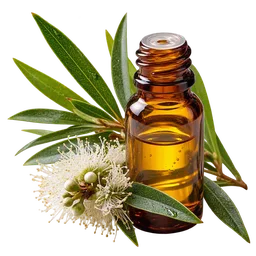
Tea Tree
What the trials found
Tea tree oil does not have enough clinical evidence to establish a meaningful health benefit across the outcome reviewed here.
- 1 papers
- 0 of 1 outcomes
Dose, timing & forms
How much
No well-supported oral or topical dose range stands out from the available clinical evidence. Do not treat concentration on a label as proof that a product delivers a proven result.1
When and how long
No research-backed time of day, frequency, or treatment length has been established for a consumer goal. Use topical products only as directed on the label, rather than building a routine around an unproven schedule.1
Forms & standardisation
The relevant form is topical tea tree oil or a topical product containing it. Choose products made for skin or scalp use, and do not ingest tea tree oil.1
What this is and how it works
- One paper reviewed here covers one outcome, but no quantitative effect estimate or MCID comparison is available.1
- Evidence remains limited to a single reviewed outcome, without a defined dose or timing routine.
- Topical personal-care use differs from oral use, which lacks a proven safety or efficacy routine.
Tea tree oil is a strongly scented essential oil distilled from the leaves of the Australian tea tree, Melaleuca alternifolia. You usually find it in diluted topical products such as cleansers, shampoos, and spot treatments, not as something to swallow.1
Tea tree oil contains compounds that can disrupt the outer membrane of certain microbes, like poking holes in a soap bubble until it loses its shape.1 That lab mechanism does not automatically prove a meaningful benefit for people, and the available clinical evidence does not establish a dependable outcome or protocol.1
Bottom line
Tea tree oil suits someone who wants a topical personal-care product and understands that a strong reputation is not the same as strong clinical proof. Skip oral use entirely, and do not expect a defined dose or timing routine to deliver a proven health outcome.1
Common questions
What is tea tree oil used for?
Can you take tea tree oil by mouth?
How should you use tea tree oil?
Sources
Sources
- 1. Tea Tree Oil
Generated August 27, 2026