New L-Glutamine Published Apr 7, 2026
From Beet Juice to Breakthroughs: The Two Faces of L-Glutamine
Gut barrier repair after illness, less severe mouth sores during chemo, and digestive comfort
Evidence summary
L-glutamine most clearly benefits gut-related conditions, easing intestinal barrier dysfunction and digestive symptoms, while athletic performance and body-composition gains remain inconsistent.
- Across 16 randomized trials, L-glutamine reduced severe oral mucositis during chemo-radiation.3
- Post-infectious IBS-D patients taking 5 g three times daily for eight weeks improved more than placebo, consistent with tighter gut barriers.
- Outside gut-focused uses, athletic performance and body-composition trials usually show no meaningful change with glutamine.
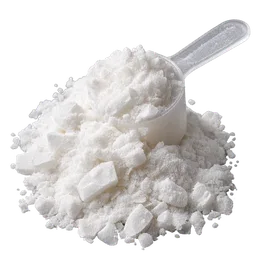
The same white powder scooped into smoothies by gym-goers is also an FDA-approved prescription that helps people with sickle cell disease avoid hospital stays—while cancer biologists call tumor cells "glutamine addicted." How can one amino acid heal in one hallway of the hospital and fuel trouble in another?
The paradox on your pantry shelf
You stir a teaspoon into water and it vanishes—no taste, just possibility. L-glutamine, the body's most abundant amino acid, shows up in very different stories: a rare-disease drug, a gut-soothing nutrient, a sometimes-overhyped gym staple, and a molecule tumors can't stop craving. The plot only makes sense when you follow where the nitrogen and carbon atoms travel.
A brief origin story
Nineteenth-century chemists noticed that proteins, when dismantled, released a whiff of ammonia—clues that led to amide-bearing amino acids. In 1883, Ernst Schulze and E. Bosshard finally isolated glutamine from beet juice, giving scientists a pure character to study. Later, Hans Krebs' generation mapped how cells burn and rebuild with glutamine at the center of the action. Today we frame it as "conditionally essential": during stress, trauma, or illness, demand outruns supply. 12
When an amino acid becomes a medicine
In 2017, the FDA approved prescription L-glutamine powder (brand name Endari) to reduce acute complications of sickle cell disease. As the agency's Richard Pazdur put it, "Endari is the first treatment approved for patients with sickle cell disease in almost 20 years," underscoring its impact for children and adults aged five and up. 4 In the pivotal 48-week randomized trial (230 patients), those taking L-glutamine had fewer crises, fewer hospitalizations, and fewer days in the hospital than placebo; acute chest syndrome was also less common. Dosing was weight-based, taken twice daily. 5 Consider that arc: a nutrient elevated to medicine because it helps red blood cells weather oxidative stress, reducing the chain reactions that flexible cells into painful, vessel-blocking sickles. A pantry molecule, now a prescription with clear instructions and outcomes.
The gut, repaired
Walk down the hall to the oncology clinic and you'll hear a different story: mouth sores that eating into endurance. Here, glutamine often plays the role of a gentle repair crew for the lining of the mouth and gut—the tissues that burn brightest during chemo and radiation. Across 16 randomized trials, oral glutamine cut the risk of severe (grade 3–4) oral mucositis compared with placebo. 9 Several head-and-neck cancer trials echo fewer feeding-tube placements and treatment interruptions when glutamine is added. 109 Why the gut? The cells that tile the intestine are short-lived sprinters; glutamine is their preferred fuel. In models of leaky barriers, glutamine helps these cells tighten their "zipper teeth"—proteins like claudins and occludin that seal the spaces between cells—keeping irritants and microbes on the right side of the wall. Reviews and ex vivo tissue studies from patients with diarrhea-predominant IBS show glutamine can restore claudin-1 where it's most depleted. 78 That lab logic meets people: in a double-blind trial of patients who developed post-infectious, diarrhea-predominant IBS with increased intestinal permeability, 5 g of glutamine three times daily for eight weeks led to dramatic symptom score improvements versus placebo and better-formed stools—consistent with a sturdier barrier. 6
Blood sugar's subtle nudge
One of glutamine's most surprising cameos happens before a meal. When taken before food, 15–30 g of glutamine can nudge the gut to release GLP-1—the hormone that tells the pancreas "get ready" and slows the stomach's exit door—blunting the early post-meal glucose rise in small randomized studies of type 2 diabetes. Think of it as calling the orchestra to attention a few minutes early. 11 When researchers bypassed the stomach and dripped glutamine directly into the small intestine, hormones rose but glucose didn't fall, pointing to slowed gastric emptying as a key part of the effect. 12
Gym lore vs. data
If you've heard locker-room legends that glutamine builds muscle or prevents every sniffle, the broader evidence is cooler than the marketing. A systematic review and meta-analysis across 25 clinical trials in athletes found no meaningful improvements in aerobic performance, body composition, or most immune markers. Some studies note smaller touches—like modest effects on soreness or neutrophil counts at high doses—but the big levers didn't move. 13
The cancer conundrum
Then comes the twist: many cancer cells are "glutamine addicted." As Memorial Sloan Kettering biochemist Natasha Pavlova puts it, "Cells are dependent on glutamine in so many ways," using it as both spare parts and currency to import other amino acids. 14 Thompson and colleagues helped popularize the idea that certain tumors run their power stations on glutamine and use it to maintain redox balance—one reason drug developers now target glutaminase, the enzyme that turns glutamine into glutamate. 15 New research suggests glutaminase enzymes can assemble into filaments that supercharge this pathway; blocking filament formation may starve tumors in models—an elegant piece of the puzzle that could guide next-generation therapies. 16 For people living with cancer, the practical takeaway is straightforward: routine supplemental glutamine hasn't been shown to "feed" tumors in clinical outcomes, but if you're on or being considered for glutamine-pathway drugs, don't self-supplement—coordinate with your oncology team. 141516
Using what we know (without overselling it)
For post-infectious IBS-D with a documented leaky barrier, the trial-tested dose was 5 g three times daily for eight weeks. Many clinicians start there and reassess. 6
During chemo/radiation, some centers recommend oral glutamine (often 10 g, three times daily) to reduce severe mouth sores—always coordinated with the care team. 910
For post-meal glucose, studies used 15–30 g before eating—a research-area dose, not a general recommendation. 1112
For sickle cell disease, L-glutamine is a prescription medication with weight-based dosing and monitoring; do not substitute over-the-counter powder. 5
One clear caution: in advanced cirrhosis or active hepatic encephalopathy, oral glutamine loads can raise blood ammonia and worsen cognition; avoid unless your hepatology team says otherwise. 1718 As for the ever-popular "heals all guts" claim, the newest meta-analysis suggests glutamine doesn't reliably tighten everyone's intestinal barrier—effects may appear with higher, short-term doses and in specific conditions where the wall is already compromised. 197
The takeaway
Follow the molecule and the stories converge. In stress and injury, glutamine can help tissues that burn fast and repair faster; in a rare blood disorder, it earns drug status; in metabolism-hungry tumors, it becomes a vulnerability to target. The humility is in the details: dose, timing, and context decide whether glutamine is just another scoop of powder—or the missing piece in a very specific puzzle. 45
Key takeaways
What to walk away with
- 01
Glutamine sits at the crossroads of nitrogen and carbon metabolism—helpful for gut barrier repair but also a fuel many tumors exploit.
- 02
Clinical signals: meta-analyses suggest oral glutamine reduces severe oral mucositis during chemo/radiation; effects are supportive, not curative.
- 03
PI-IBS-D with increased permeability: 5 g three times daily for 8 weeks produced large symptom improvements versus placebo in a controlled trial.
- 04
Pre-meal experiments (15–30 g, 15–30 min before eating) lowered early post-meal glucose via gut hormone and gastric-emptying effects—an exploratory use.
- 05
Timing and form: empty-stomach or between meals is typical for gut protocols; oncology use splits doses through the day; Endari is prescription-only for SCD.
- 06
Cautions: avoid unsupervised use in decompensated cirrhosis/HE (ammonia load risk) and discuss any use with oncology if glutaminase-targeting therapy is on the table.
Effect timeline
When to expect what
- Immediate
- Within hours for pre-meal glucose effects; otherwise gradual.
- Peak
- 6–8 weeks for gut symptom studies; during therapy for mucositis; 24–48 weeks in sickle cell trials.
- Duration needed
- 8 weeks minimum for IBS-D protocols; ongoing while on prescription therapy for sickle cell; during chemo/radiation blocks for mucositis.
- Wears off
- Glycemic effect ends the day you stop; gut benefits may fade within 2–4 weeks after stopping.
Research trajectory
What the studies actually show
-
L-glutamine reduced severe oral mucositis risk during chemo/radiation across 16 RCTs. 9
Supportive-care teams tested a simple, tolerable oral intervention to protect the mouth and gut lining under assault.
Fewer severe sores can mean better nutrition and fewer treatment breaks.
-
In post-infectious IBS-D with leaky gut, 5 g TID for 8 weeks produced large symptom improvements vs. placebo. 6
Researchers selected a subgroup defined by increased permeability—then targeted the barrier's favorite fuel.
Mechanism-matched trial design yielded meaningful symptom relief.
-
Pre-meal glutamine (15–30 g) can reduce early postprandial glucose via gut hormone release and slower gastric emptying. 11
Back-to-back studies separated hormone signaling from stomach motility to explain the effect.
Suggests a niche, experimental tool—not a replacement for standard diabetes care.
-
Most athletic performance and body-comp outcomes don't budge with glutamine supplementation. 13
A 25-trial meta-analysis cooled the hype while noting small immunologic or soreness signals at higher doses.
Guides athletes toward evidence-based expectations.
-
Cancer cells often rely on glutamine; blocking glutaminase activity or its filament assembly is a therapeutic frontier. 16
From conceptual papers to new structural biology, the field is mapping where to cut tumor fuel lines.
Explains why oncology sometimes restricts supplementation and explores future drug design.
Human trials
What real trials found
-
Phase 3 trial participants with sickle cell disease taking prescription L-glutamine had fewer crises, fewer hospitalizations, and fewer hospital days over 48 weeks versus placebo. 5
- Outcome
- Median crises 3 vs. 4; hospitalizations 2 vs. 3; acute chest syndrome 8.6% vs. 23.1%.
- Why it matters
- Shows a nutrient elevated to drug status with clinically meaningful outcomes.
- Source
- FDA approval summary and trial description.
-
Adults with post-infectious IBS-D and increased permeability took 5 g glutamine three times daily for 8 weeks. 6
- Outcome
- ~80% reached the predefined symptom improvement versus ~6% on placebo; stool form and frequency improved.
- Why it matters
- Translates barrier biology into symptom relief in a defined subgroup.
- Source
- Randomized, double-blind trial.
-
Head-and-neck cancer patients receiving chemo/radiation used oral glutamine during treatment. 9
- Outcome
- Lower risk of severe mucositis; fewer feeding tubes and interruptions in some trials.
- Why it matters
- Illustrates supportive-care benefit where tissue turnover is highest.
- Source
- RCTs and meta-analysis of mucositis prevention.
Expert insights
Voices in the field
"Endari is the first treatment approved for patients with sickle cell disease in almost 20 years." 4
"Cells are dependent on glutamine in so many ways." 14
Practical guidance
Putting it to use
Who may benefit
People with post-infectious IBS-D and increased intestinal permeability; patients at risk of chemo-/radiation-induced oral mucositis (under clinical guidance); individuals with sickle cell disease using prescribed Endari; researchers and clinicians exploring pre-meal hormonal priming in type 2 diabetes.
Who should avoid
People with decompensated cirrhosis or active hepatic encephalopathy; those on glutaminase-inhibiting cancer regimens unless cleared by their oncology team.
Dosing
For IBS-D with documented increased permeability: 5 g three times daily for 8 weeks (trial-tested). In oncology supportive care, many centers use 10 g three times daily during chemo/radiation for mucositis prevention; coordinate with your team. For sickle cell disease, L-glutamine is prescription-only with weight-based dosing; do not substitute OTC powders. Pre-meal glucose effects were studied at 15–30 g before eating—an exploratory, clinician-guided use only.
Timing
Empty stomach or between meals is common for gut protocols; oncology protocols typically split doses across the day; pre-meal experiments give glutamine 15–30 minutes before eating.
Quality
Look for pure, pharmaceutical-grade L-glutamine with third-party testing (NSF/USP/Informed Choice). Dipeptide forms (alanyl-glutamine) may taste better and mix well in medical settings.
Cautions
Avoid unsupervised use in decompensated cirrhosis or active hepatic encephalopathy; oral loads can raise ammonia and worsen cognition. If you're on glutaminase-targeting cancer therapy (or being considered for it), discuss any glutamine use with oncology first.
A closing thought
Nutrition's most interesting characters rarely play one role. Glutamine reminds us that context writes the script: in a stressed gut, it's a restorer; in a rare blood disorder, a therapy; in certain tumors, a target. Wisdom isn't choosing sides—it's choosing situations well.
Frequently asked
Common questions
Does L-glutamine feed cancer or interfere with cancer treatment?
What dose helped in post-infectious IBS-D with increased intestinal permeability?
What do oncology protocols use for preventing chemo/radiation mouth sores?
Who should avoid or be cautious with L-glutamine?
Is prescription Endari the same as over-the-counter L-glutamine?
Can taking glutamine before meals affect blood sugar?
Related
More on this supplement
Pulled from across the site — rankings, comparisons, combinations, and reviews where this supplement shows up.
Sources
- 1. An introduction to glutamine metabolism (book chapter in "Glutamine: Biochemistry, Physiology, and Clinical Applications") (2017)
- 2. The hydrolysis of glutamine (thesis) (1948)
- 3. Glutamine: Metabolism and Immune Function, Supplementation and Clinical Translation (2018)
- 4. FDA approves new treatment for sickle cell disease (press announcement) (2017)
- 5. FDA approved L-glutamine powder for the treatment of sickle cell disease (2017)
- 6. Randomised placebo-controlled trial of dietary glutamine for postinfectious IBS-D (2018)
- 7. Role of Glutamine in Protection of Intestinal Epithelial Tight Junctions (2015)
- 8. Glutamine restores claudin-1 in colonic mucosa of IBS-D patients (ex vivo) (2015)
- 9. Effectiveness of glutamine in the management of oral mucositis in cancer patients: meta-analysis of RCTs (2021)
- 10. RCT: Oral glutamine reduces chemoradiotherapy-induced mucositis/dysphagia (2019)
- 11. Glutamine reduces postprandial glycemia and augments GLP-1 in type 2 diabetes (randomized crossover) (2011)
- 12. Intraduodenal glutamine: incretin/insulin responses without glucose lowering (2013)
- 13. Effect of glutamine supplementation on athletic performance: systematic review and meta-analysis (2018)
- 14. Beyond Sugar: What Cancer Cells Need to Grow (MSKCC) (2020)
- 15. Glutamine Addiction: A New Therapeutic Target in Cancer (2010)
- 16. Filament formation enables cancer cells' glutamine addiction (Cornell Chronicle) (2024)
- 17. L-Glutamine – LiverTox clinical safety review (2020)
- 18. Effect of blood ammonia elevation following oral glutamine load in cirrhosis (2003)
- 19. Systematic review/meta-analysis: glutamine and gut permeability in adults (2024)
1,120 words · 19 sources · L-Glutamine